The Jews of Bukhara (Sunday in Denver); the Maimonidean Controversy; Save the Date for Roslyn NY

Really looking forward to speaking to the Or Avner community in Aurora, CO!


The Maimonidean Controversy


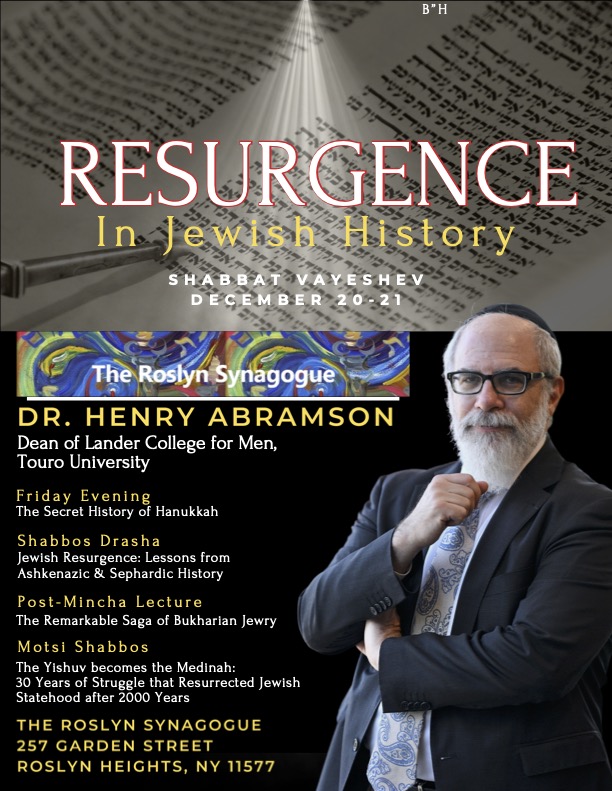
Save the Date: Shabbaton in Roslyn NY, December 20-21
  • Rav Sherira Gaon: The Jews of Babylon (Next Week: Sa’adia Gaon)

    Rav Sherira Gaon: The Jews of Babylon (Next Week: Sa’adia Gaon)

    Who, exactly, wrote down the foundational texts of the Oral Torah? Who is responsible for the compiling of the Talmud? These were some of the questions addressed to Sherira Gaon, the Rosh Yeshiva of the great city of Pumbedita in Babylon in 987 by a young Rabbi in Tunisia. His famous response, preserved for over…

  • Hannah Szenes: Poet-Martyr of the Resistance (This Week In Jewish History)

    Hannah Szenes: Poet-Martyr of the Resistance (This Week In Jewish History)

      Hannah Szenes was a young Hungarian Jewish woman who joined the resistance in 1943, parachuting into Nazi-occupied territories with British support. She was captured and tortured, but did not divulge secret information on her colleagues. Her poetry, including the classic “Blessed is the Match,” survive and add to her legacy.

  • Paul of Tarsus: The Origins of Christianity in Jewish Context

    Paul of Tarsus: The Origins of Christianity in Jewish Context

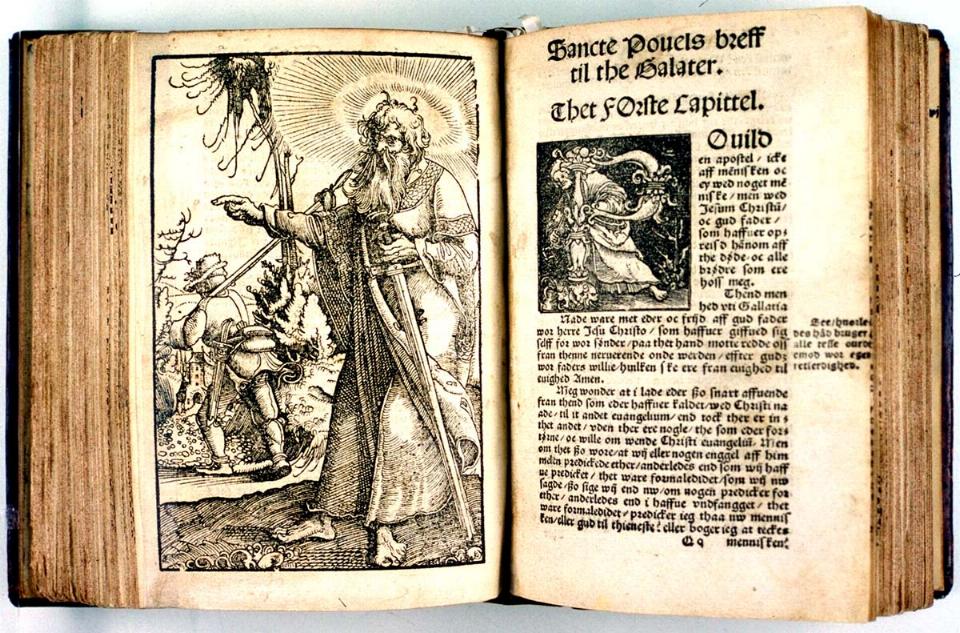
    Credited with the popularization of Christianity, Saul (later Paul) of Tarsus was influential in mediating Jewish ideas to an increasingly Gentile audience. Combining appealing concepts such as life after death and a personal Deity with a relaxed approach to the requirements of Rabbinic Judaism, the former Pharisee succeeded in spreading Christianity well beyond its narrow…

  • Vladimir Ze’ev Jabotinsky (This Week in Jewish History)

    Vladimir Ze’ev Jabotinsky (This Week in Jewish History)

    Vladimir Ze’ev Jabotinsky (1880-1940) was one of the most influential political thinkers in the first half of the twentieth century, founder of the Revisionist movement.

  • The Mishnah: Creating a Portable Judaism HIS 155 Lecture 1.5

    The Mishnah: Creating a Portable Judaism HIS 155 Lecture 1.5

    Compiled by Rabbi Yehuda Ha-Nasi in an exceptionally difficult time for the Jewish people, the Mishnah created the possibility of creating a “portable Judaism.” After the destruction of the Temple in 70 and the dramatic escalation of the diaspora, the Mishnah allowed Jews to define their religion within an intellectual and textual context, outside of…

  • Philo Judaeus of Alexandria: Jews in the Greek World

    Philo Judaeus of Alexandria: Jews in the Greek World

    Virtually ignored by Jewish philosophers, Philo of Alexandria represented the high point of synthesis between Greek and Jewish thought in the ancient world, and had a huge influence on early Christian thinkers. A prominent representative of the Egyptian Jewish community to the Roman Emperor, and well-respected in his day by his coreligionists, he nevertheless had…

  • The Dreyfus Affair (This Week in Jewish History)

    The Dreyfus Affair (This Week in Jewish History)

    Wrongly accused of espionage, Captain Alfred Dreyfus was sentenced to Devil’s Island on the basis of remarkably tenuous evidence. May critics, including the famous writer Emile Zola, argued that Dreyfus was unfairly charged simply because he was a Jew in the French army. As evidence mounted that another officer was guilty, the Dreyfus Affair exposed…

  • Who Was Josephus?

    Who Was Josephus?

    Captured by the Romans, Josephus was a Jewish general who ultimately served as a military advisor to General Titus. Josephus recorded his first-hand observations of the destruction of the Temple, and went on to a brilliant literary career in Rome, describing Jews and Judaism to a wider audience. Who was Josephus–traitor to his people or…

  • Rembrandt and the Jews (This Week in Jewish History)

    Rembrandt and the Jews (This Week in Jewish History)

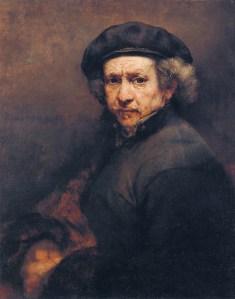
    Rembrandt is well-known for his depictions of Jewish subjects, both as contemporary portraits and as models for Christian biblical characters.

  • Who Was Josephus? Fall 2013 Lecture Series in Jewish History Resumes This Week

    Who Was Josephus? Fall 2013 Lecture Series in Jewish History Resumes This Week

    Photo: Aryeh Abramson looks out over Iroquois Falls, Ontario, Canada, where he spent the Sukkot vacation visiting his grandparents. Captured by the Roman General (and later Emperor) Vespasian while defending the Galilee, Josephus ultimately turned against his coreligionists and served as an advisor to the forces besieging Jerusalem during the first Roman-Jewish War. His first-hand…

  • Free Download of Maimonides on Teshuvah by Dr. Henry Abramson

    Free Download of Maimonides on Teshuvah by Dr. Henry Abramson

    Moses Maimonides (1135-1204) was one of the greatest minds the Jewish people ever produced: philosopher, jurist, physician, and an extremely prolific writer who left us classics like The Guide for the Perplexed and the Mishneh Torah.  For several years I have been in the habit of reviewing his Laws of Repentance in the weeks leading up to the…

The Jews of Bukhara (Denver, CO); The Jews of the Lesser Antilles; Varieties of Crypto-Jewish Identity; Wait, Alexander Hamilton was Jewish?

Looking forward to a wonderful Shabbat in the Denver Jewish community!


Our Itinerary of Discovery in the Western Caribbean


Channel Members


Premiering at 10am ET


  • “Give me Yavne and its Sages!” Lectures resume this week with a presentation on Rabban Yohanan ben Zakkai

    “Give me Yavne and its Sages!” Lectures resume this week with a presentation on Rabban Yohanan ben Zakkai

    The Jewish Biography as History series at the Young Israel of Bal Harbour continues this week with a presentation on Rabban Yohanan ben Zakkai, a major figure whose bold and heroic leadership rescued the Jewish people from the threat of national oblivion in the wake of the destruction of Jerusalem in the first century. Lectures…

  • Jews in the Medieval Economy (Essential Lectures in Jewish History)

    Jews in the Medieval Economy (Essential Lectures in Jewish History)

    An introductory lecture on the role of Jews in the medieval economy. Part of the Essential Lectures in Jewish History series.

  • Liked the Free Download of The Kabbalah of Forgiveness? How about writing a review?

    Liked the Free Download of The Kabbalah of Forgiveness? How about writing a review?

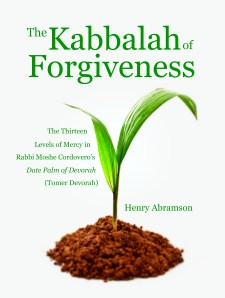
    I’m so glad that so many of you decided to download my latest book, “The Kabbalah of Forgiveness: The Thirteen Levels of Mercy in Rabbi Moshe Cordovero’s Date Palm of Devorah (Tomer Devorah).”  I’m also very grateful that many of you have found this work meaningful, especially in the rare moment of the season of…

  • The Rishonim (Essential Lectures in Jewish History)

    The Rishonim (Essential Lectures in Jewish History)

    This lecture serves as an introduction to the Rishonim, a body of Rabbinic scholars associated with the 9th through the 15th centuries of the common era. Part of the Essential Lectures in Jewish History series. Image source: Wikimedia Commons.

  • Fall 2014 Lectures in Jewish History at Young Israel

    Fall 2014 Lectures in Jewish History at Young Israel

      Wednesday Nights at 8:00 pm   October 22: Rabbi Yohanan ben Zakkai October 29: Salome November 5: Bar Kokhba November 12: Shimon bar Yochai November 19: Abaye’s Mother November 26: Eldad the Danite December 3: Aaron of Lincoln December 10: Amnon of Mayence December 17: Abraham ibn Ezra December 24: Qasmunah   All lectures…

  • The Chofetz Chaim (This Week in Jewish History)

    The Chofetz Chaim (This Week in Jewish History)

    Brief video highlighting the life and work of Rabbi Israel Meir Kagan (1838-1936), one of the most influential Rabbis of the 20th century.  Better known as the Chofetz Chaim (*one who desires life,” taken from Psalm 34).    

  • The Kabbalah of Forgiveness: Conclusion

    The Kabbalah of Forgiveness: Conclusion

    Conclusion “The Insulted King,” Illustration of Level 1 by Rebecca Odessa, Courtesy The Wisdom Daily Rabbi Cordovero’s Conclusion עַד כַּאן הִגִּיעַ שְׁלֹשׁ עֶשְׂרֵה מִדּוֹת שֶׁבָּהֶן יִהְיֶה הָאָדָם דּוֹמֶה אֶל קוֹנוֹ שֶׁהֵן מִדּוֹת שֶׁל רַחֲמִים עֶלְיוֹנוֹת וּסְגֻלָּתָן כי כְּמוֹ שֶׁיִּהְיֶה הָאָדָם מִתְנַהֵג לְמַטָּה כָּךְ יִּזְכֶּה לִפְתֹּחַ לוֹ מִדָּה עֶלְיוֹנָה מִלְמַעְלָה מַמָּשׁ כְּפִי מַה שֶּׁיִּתְנַהֵג כָּךְ מַשְׁפִּיעַ מִלְמַעְלָה…

  • The Kabbalah of Forgiveness Level Thirteen: The Moment of Innocence

    The Kabbalah of Forgiveness Level Thirteen: The Moment of Innocence

    The Thirteenth Level: The Moment of Innocence “The Moment of Innocence,” illustration of Level 13 by Rebecca Odessa, Courtesy The Wisdom Daily The Thirteenth Level: The Moment of Innocence Translator’s Introduction The Thirteenth and final Level of mercy carries an absolute guarantee: one who masters this level can forgive anyone. The Thirteenth Level renders all…

  • The Kabbalah of Forgiveness Level Twelve: Remember Where They Came From

    The Kabbalah of Forgiveness Level Twelve: Remember Where They Came From

    The Twelfth Level: Remember Where They Came From “Family Tree (Remember Where They Came From),” illustration of Level 12 by Rebecca Odessa, Courtesy The Wisdom Daily The Twelfth Level: Remember Where They Came From Translator’s Introduction              The final element of the triad is Level Twelve.  In Level Ten we…

  • The Kabbalah of Forgiveness Level Eleven: Do More for Those Who Do More

    The Kabbalah of Forgiveness Level Eleven: Do More for Those Who Do More

    The Eleventh Level: Do More for Those Who Do More “Serve and Protect (Do More for Those Who Do More),” illustration of Level 11 by Rebecca Odessa, Courtesy The Wisdom Daily The Eleventh Level: Do More for Those Who Do More Translator’s Introduction  The second part of the triad of Levels Ten, Eleven and Twelve…

  • The Kabbalah of Forgiveness Level Ten: Do the Right Thing Anyway

    The Kabbalah of Forgiveness Level Ten: Do the Right Thing Anyway

    The Tenth Level: Do the Right Thing Anyway “The Hook (Do the Right Thing Anyway),” illustration of Level 10 by Rebecca Odessa, Courtesy The Wisdom Daily The Tenth Level: Do the Right Thing Anyway Translator’s Introduction  The Tenth, Eleventh and Twelfth Levels together comprise a triad of strategies for forgiving others, particularly people with whom…

  • The Kabbalah of Forgiveness Level Nine: Bury the Past

    The Kabbalah of Forgiveness Level Nine: Bury the Past

    The Ninth Level: Bury the Past “The Scapegoat (Bury the Past),” illustration of Level 9 by Rebecca Odessa, Courtesy The Wisdom Daily The Ninth Level: Bury the Past Translator’s Introduction  The Ninth Level of Mercy addresses a principal common to both Kabbalah and physics: energy never dissipates of its own accord; rather it is redirected…

Visits to Synagogues in Bordeaux and Libourne (France); Another Open Letter to Jewish Participants in anti-Israel Protests re: Amsterdam; Conference Presentation on Sheptytsky and WW II

Fantastic Voyage of Discovery with Kosher River Cruises


A Difficult Conversation


Recent Conference Presentation in Toronto


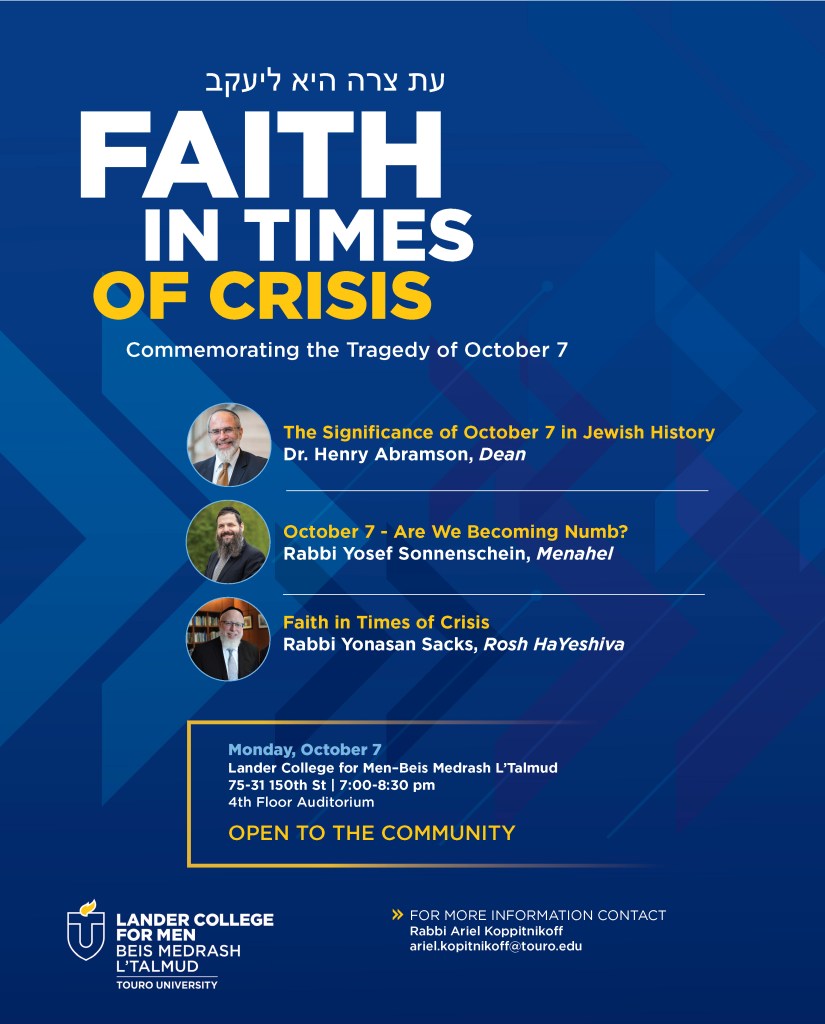
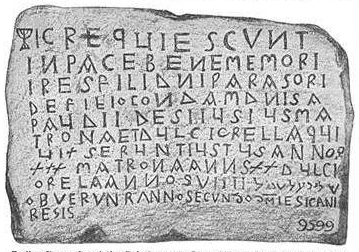
Jewish Life in Visigothic Spain; Commemorating October 7

This is one of the most bizarre periods of Jewish history, and that’s saying a lot.

Dropping on Sunday, September 22 at 10am ET. 70 minutes.


A Thousand Years of Ashkenaz

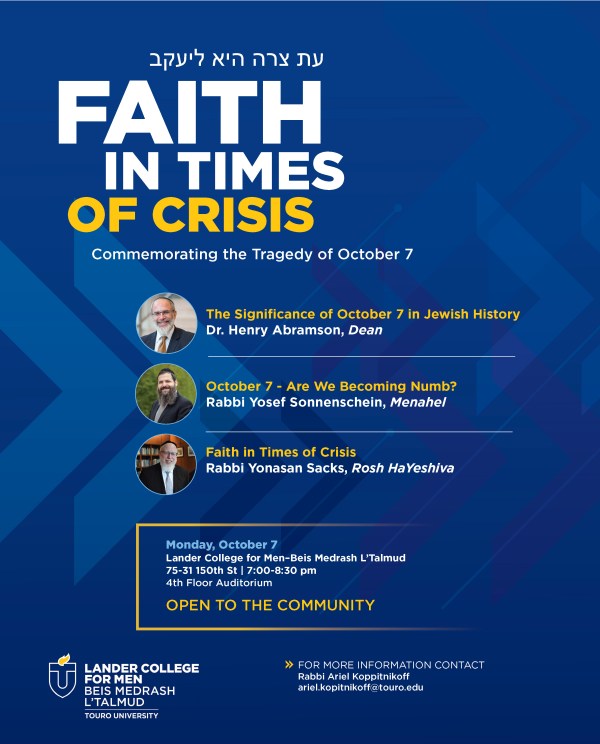
New Lecture Series: The Sweep of Sephardic History; Faith in Times of Crisis: Commemorating the Tragedy of October 7

New Lecture Series: The History of Sephardic Jewry

Public at 10 am ET. Duration: 72 minutes.
Channel Members: Duration 70 minutes.
Channel members: 44 minutes.

Shabbat in Silver Spring; The History of Sephardic Jewry; Jews, Wine, and Bordeaux; Napoleon’s 1808 Decree on Jewish Names

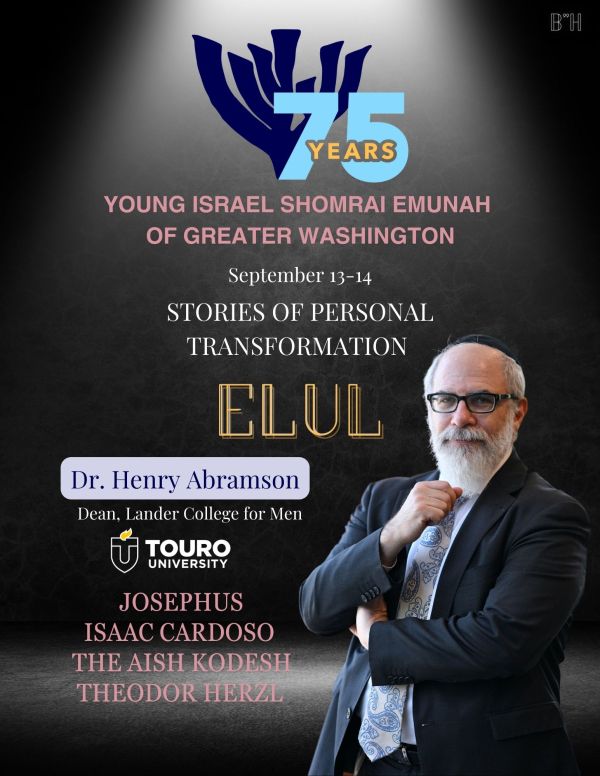
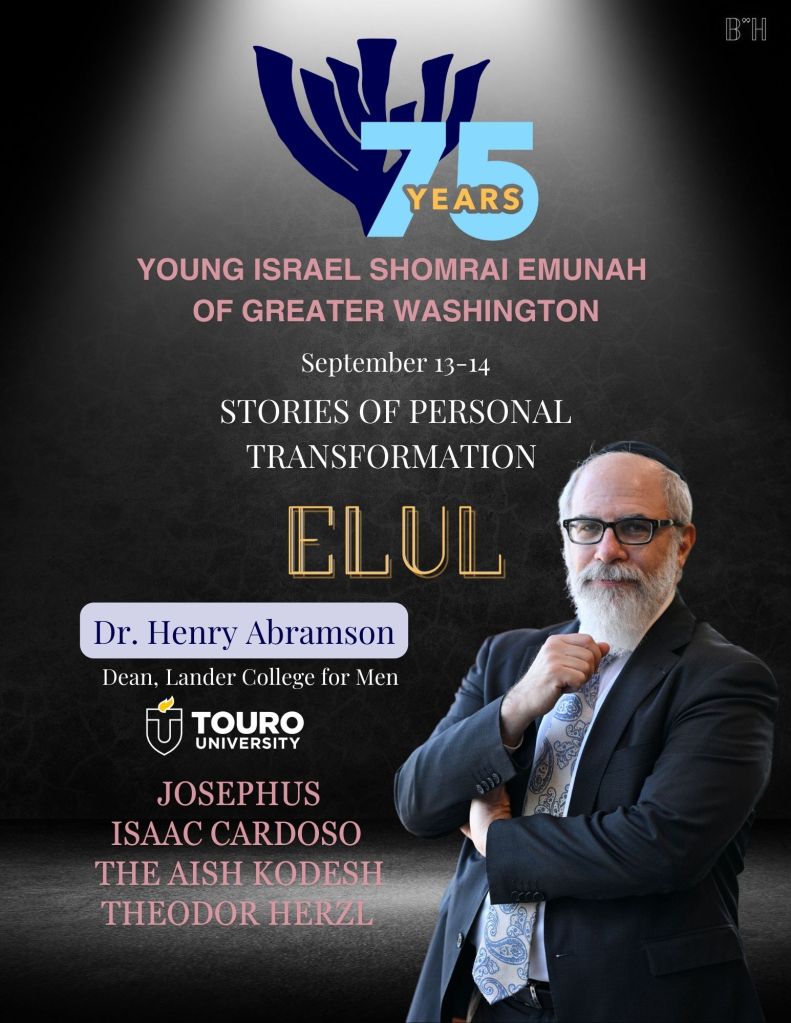
Stories of Personal Transformation for Elul


Napoleon’s 1808 Imperial Decree on Jewish Names


The History of Sephardic Jewry (Lecture, 75 minutes)

Jews, Wine, and Bordeaux (7 minutes)


A Thousand Years of Ashkenaz

Create a website or blog at WordPress.com

Up ↑