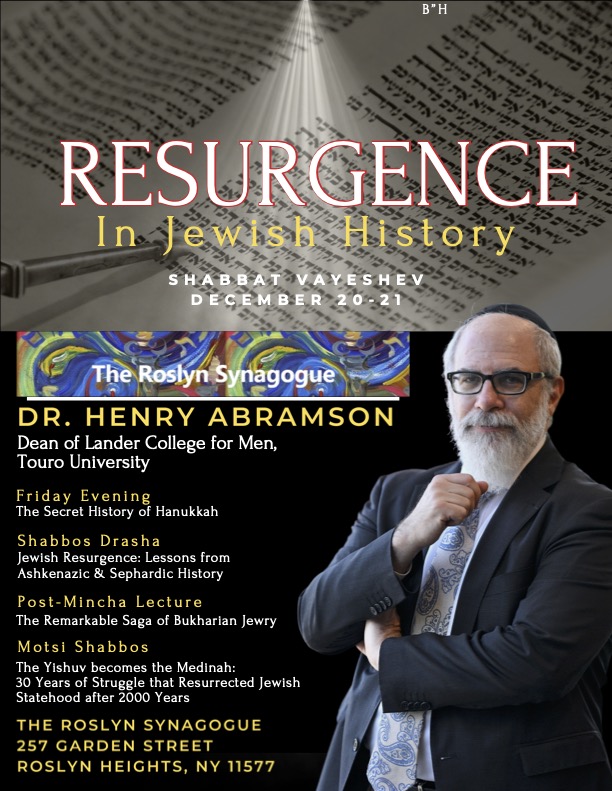
Monday March 3: Please join me for this public lecture!
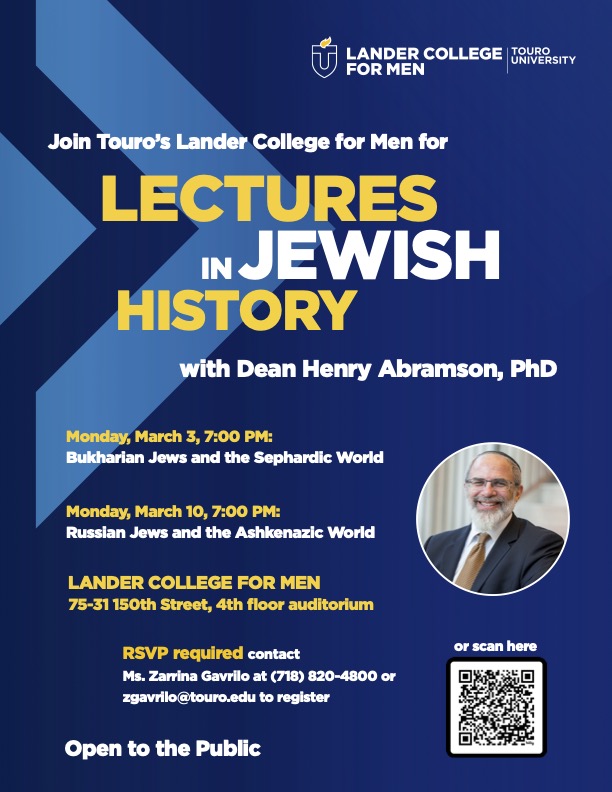
Lectures in Jewish History and Thought. No hard questions, please.

Contact their offices for details:


With Dr. Sharon Liberman Mintz, Judaica curator for Southeby’s, at a private viewing of this amazing 14th century Spanish Bible.

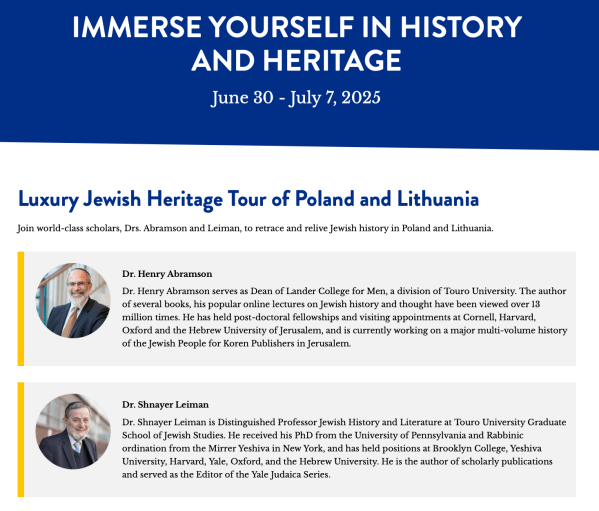





Enjoying a great faculty workshop on video blogging with Dr. Stefanie Herron and Dr. Lee Isogai Williams!
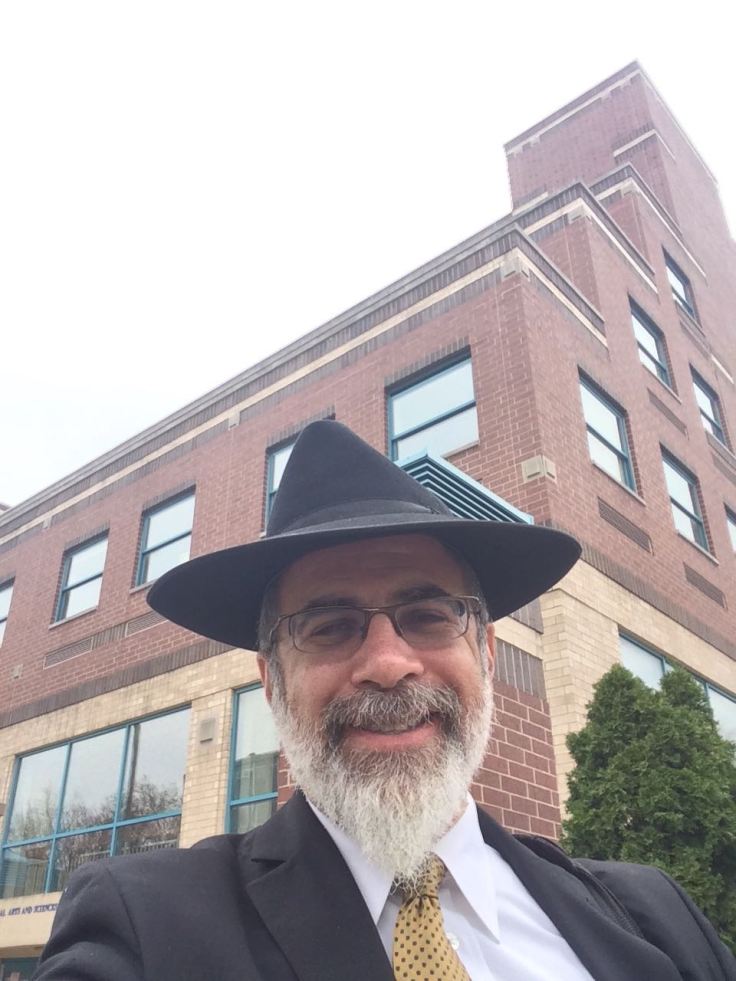
Just returned from two intense days meeting with the amazing AvenueJ faculty. Great group of dedicated, enthusiastic experts in their fields with a passion for teaching! Can’t wait to get started working with these really inspirational professors.

Claiming descent from the long-lost Ten Tribes of Israel, Eldad was a ninth-century traveler with a fantastic story: beyond the “River Kush” lay an intact civilization of Jews who enjoyed political sovereignty, in preparation for their eventual return to the Land of Israel in messianic times. Surviving shipwreck, cannibals and attack from fire-worshipping pagans, Eldad’s…

Emerging from a cave after twelve years of isolated Torah study, Rabbi Shimon Yohai went on to become one of ancient Israel’s most celebrated Kabbalists and leaders of the Jewish people. Dr. Abramson in Print (and eBooks!)
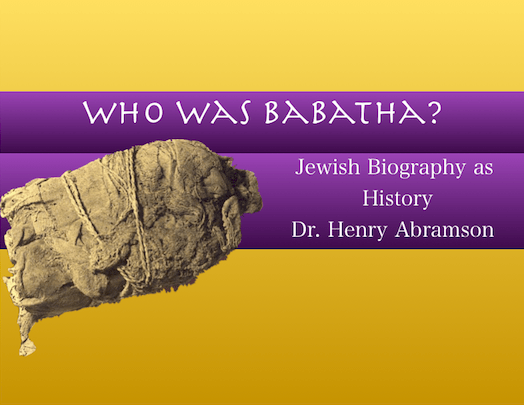
Rolling her precious documents and carefully wrapping them in a leather pouch tied with twine, Babatha buried her entire legal history in the floor of the cave she shared with Bar Kochba’s rebels. They would remain entombed in that desolate refuge for 1800 years until their discovery by archaeologist Yigael Yadin, and then the life of…

The Nuremberg Laws of 1935 defined, for the purposes of the Nazi regime, exactly who was considered a Jew. This was an essential element in the unfolding of the Holocaust, as the Nuremberg Laws allowed the Nazis to first identify, then exclude, and finally attempt to eliminate Jews from German society. Part of the “This…

“Akiva, grass will grow from your cheeks,” said the talmudic Rabbi Yochanan ben Torta, “and still the messiah will not have come.” A stinging rebuke for the most prominent supporter of Bar Kochba’s would-be messianic leadership of the Jewish people in his 2nd-century rebellion against the Roman oppressors. Who was Bar Kochba, and what did his…

Briefly but notoriously mentioned in both Josephus and the Gospels, Salome was the granddaughter of King Herod who is best known for a salacious performance that resulted in the execution of John the Baptist. Who was Salome, and does her bit part play a significant role in the representation of Jews and Judaism in medieval…
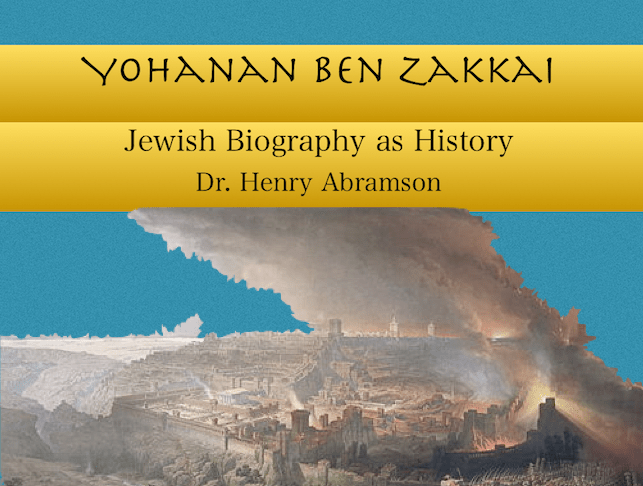
Rabban Yohanan ben Zakkai (d. c. 85 ce) was one of the most influential figures in ancient Jewish history. Emerging from the ruins of the destroyed Temple, Rabban Yohanan ben Zakkai led the Jewish people through the dangerous first years after the devastation of the last remnants of their state by the Romans. A disciple…

I’ve been selected as a presenter to speak about my latest book, The Kabbalah of Forgiveness: The Thirteen Levels of Mercy in Rabbi Moshe Cordovero’s Tomer Devorah (The Date Palm of Devorah). Please check out the Limmud’s Facebook Page or website for more information (the full schedule and list of presenters will be live in December). Hope…
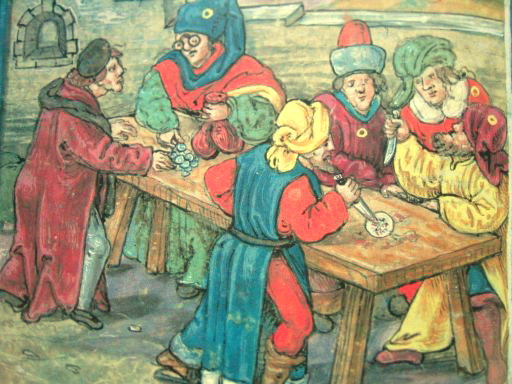
Concise video lecture describing the four main expressions of antisemitic ideology in the medieval period. Warning: images are disturbing. Breaking the history of antisemitism into four major periods (Ancient Xenophobia, Early Christian Anti-Judaism, Medieval Jew-hatred, and Modern Antisemitism), Dr. Abramson focusses on the third period to look at the ideological basis for the false…

The Jewish Biography as History series at the Young Israel of Bal Harbour continues this week with a presentation on Rabban Yohanan ben Zakkai, a major figure whose bold and heroic leadership rescued the Jewish people from the threat of national oblivion in the wake of the destruction of Jerusalem in the first century. Lectures…
 Henry Abramson