Really looking forward seeing my friends at YILC!

Lectures in Jewish History and Thought. No hard questions, please.


Wednesday Nights at 8:00 pm October 22: Rabbi Yohanan ben Zakkai October 29: Salome November 5: Bar Kokhba November 12: Shimon bar Yochai November 19: Abaye’s Mother November 26: Eldad the Danite December 3: Aaron of Lincoln December 10: Amnon of Mayence December 17: Abraham ibn Ezra December 24: Qasmunah All lectures…

Brief video highlighting the life and work of Rabbi Israel Meir Kagan (1838-1936), one of the most influential Rabbis of the 20th century. Better known as the Chofetz Chaim (*one who desires life,” taken from Psalm 34).

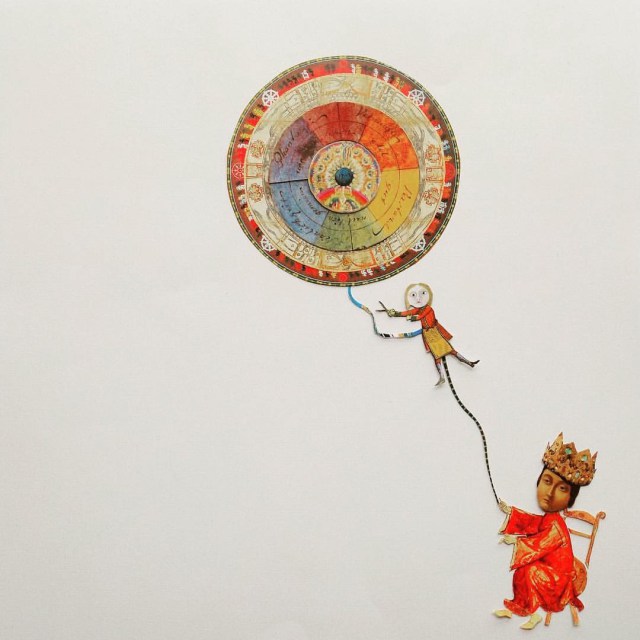
Conclusion “The Insulted King,” Illustration of Level 1 by Rebecca Odessa, Courtesy The Wisdom Daily Rabbi Cordovero’s Conclusion עַד כַּאן הִגִּיעַ שְׁלֹשׁ עֶשְׂרֵה מִדּוֹת שֶׁבָּהֶן יִהְיֶה הָאָדָם דּוֹמֶה אֶל קוֹנוֹ שֶׁהֵן מִדּוֹת שֶׁל רַחֲמִים עֶלְיוֹנוֹת וּסְגֻלָּתָן כי כְּמוֹ שֶׁיִּהְיֶה הָאָדָם מִתְנַהֵג לְמַטָּה כָּךְ יִּזְכֶּה לִפְתֹּחַ לוֹ מִדָּה עֶלְיוֹנָה מִלְמַעְלָה מַמָּשׁ כְּפִי מַה שֶּׁיִּתְנַהֵג כָּךְ מַשְׁפִּיעַ מִלְמַעְלָה…

The Thirteenth Level: The Moment of Innocence “The Moment of Innocence,” illustration of Level 13 by Rebecca Odessa, Courtesy The Wisdom Daily The Thirteenth Level: The Moment of Innocence Translator’s Introduction The Thirteenth and final Level of mercy carries an absolute guarantee: one who masters this level can forgive anyone. The Thirteenth Level renders all…

The Twelfth Level: Remember Where They Came From “Family Tree (Remember Where They Came From),” illustration of Level 12 by Rebecca Odessa, Courtesy The Wisdom Daily The Twelfth Level: Remember Where They Came From Translator’s Introduction The final element of the triad is Level Twelve. In Level Ten we…

The Eleventh Level: Do More for Those Who Do More “Serve and Protect (Do More for Those Who Do More),” illustration of Level 11 by Rebecca Odessa, Courtesy The Wisdom Daily The Eleventh Level: Do More for Those Who Do More Translator’s Introduction The second part of the triad of Levels Ten, Eleven and Twelve…

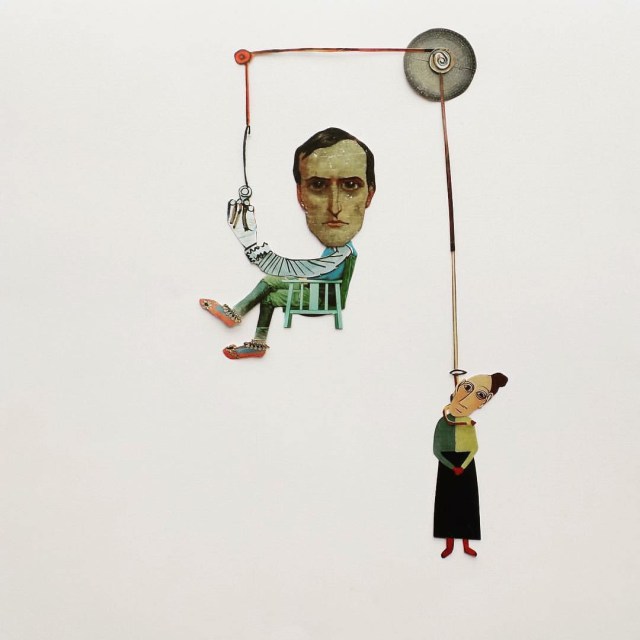
The Tenth Level: Do the Right Thing Anyway “The Hook (Do the Right Thing Anyway),” illustration of Level 10 by Rebecca Odessa, Courtesy The Wisdom Daily The Tenth Level: Do the Right Thing Anyway Translator’s Introduction The Tenth, Eleventh and Twelfth Levels together comprise a triad of strategies for forgiving others, particularly people with whom…

The Ninth Level: Bury the Past “The Scapegoat (Bury the Past),” illustration of Level 9 by Rebecca Odessa, Courtesy The Wisdom Daily The Ninth Level: Bury the Past Translator’s Introduction The Ninth Level of Mercy addresses a principal common to both Kabbalah and physics: energy never dissipates of its own accord; rather it is redirected…

The Eighth Level: Maintain a Core of Love “Maintain a Core of Love,” illustration of Level 8 by Rebecca Odessa, Courtesy The Wisdom Daily The Eighth Level: Maintain a Core of Love Rabbi Cordovero expands upon the metaphysics of forgiveness in the Eighth Level. God preserves a core region of positive regard for every human…

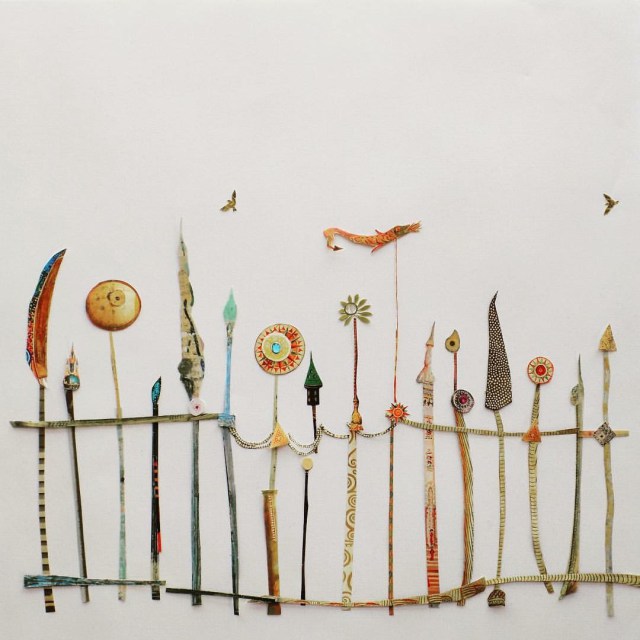
The Seventh Level: A Knot is Stronger “Building a Fence (A Knot is Stronger),” Illustration of Level 7 by Rebecca Odessa, Courtesy The Wisdom Daily The Seventh Level: A Knot is Stronger Translator’s Introduction Rabbi Cordovero begins the Seventh Level of Mercy with a well-known teaching from the Talmud (Berakhot 34b): “in a place where penitents…

The Sixth Level: Who Makes Your Lunch? “Who Makes Your Lunch?” illustration of Level 6 by Rebecca Odessa, Courtesy The Wisdom Daily The Sixth Level: Who Makes Your Lunch? Translator’s Introduction The Sixth Level begins with a deeply mystical passage in Ezekiel, set in the years immediately prior to the 6th century BCE destruction of…

The Fifth Level: Release the Anger “Release the Anger,” illustration of Level 5 by Rebecca Odessa, Courtesy The Wisdom Daily The Fifth Level: Release the Anger Translator’s Introduction The prophet Zechariah portrays God as a shepherd with two staffs: one is called “pleasantness” (נאם) and the other is called “woundings” (חובלים). In his commentary on Date…


Tonight at Machon Chana: part two of The History of Sephardic Jewry series. Last week we looked at the origins of Spanish Jewry and the Muslim period; tonight we will focus on the Reconquista up to the Expulsion of 1492.

Main Auditorium of the Mighty Avenue J campus of Touro College 1602 Avenue J, Brooklyn NY 11230 7pm Free and open to the community. No hard questions, please. For more information please click here.

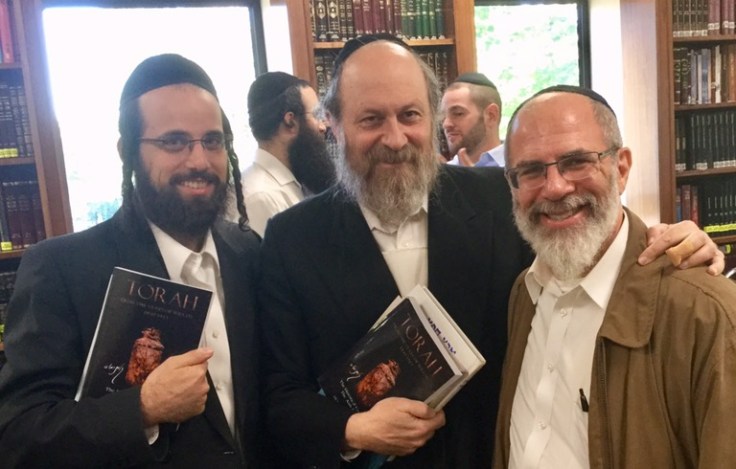
My old friend Dr. Michael Chigel tagged me on Facebook this morning with his remarkably kind and generous unsolicited review of Torah from the Years of Wrath. I’m deeply moved and grateful to Mike for promoting the Torah of the Aish Kodesh, as well as for the undeserved praise he lavished on my small contribution, but also…

Very pleased to see this revised edition of my first book available. Includes a new foreword and afterword.

To the Hasidim steeped in the religious significance of the ritual calendar, the Sabbath known as Zakhor (March 23, 1940) must have seemed a cruel redundancy. Literally called “remember,” the Sabbath preceding the holiday of Purim is named for a few publicly read Torah verses (Deuteronomy 25:17-19) that memorialize the attack of Israel’s primordial enemy,…

Hey friends in Crown Heights! Please drop by and say hello.

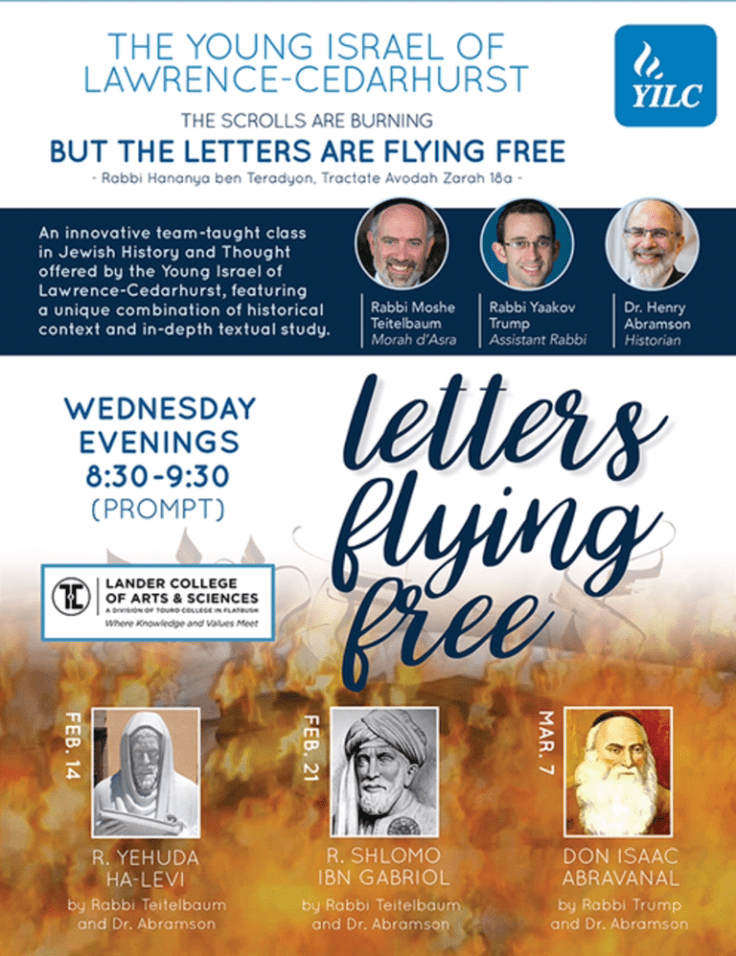
(Well, not Yehudah Ha-Levi, but a lecture about the great Spanish-Jewish poet-philosopher of the 12th century). With Rabbi Moshe Teitelbaum.

Sponsored by Brandon Sultan in honor of the Sultan and Benarroch Families, whose Sephardic roots are expressed in a desire to honor the Convivencia; and also in loving memory of Mrs. Jean Milstein, whose relentless optimism was an inspiration to all.
Just like that. Watch for our Shul President, Jeremy Chwat, and his wife–he apparently has an unusual motivation for coming to Shul three times a day, and she has a great, euphemistic comeback.

Someone told me that this was printed in The Vues. I’m not a Rabbi, but I’m kind of pleased that Ari Hirsch asked for my opinion anyway. Makes me feel like I actually belong in Brooklyn, somehow, if I’m included in this paper known as “the Heimishe Voice.”

The last weeks of winter 1942, ironically, represented a kind of plateau for the Jews of Warsaw. The typhus epidemic abated, and the Nazis had established some work facilities (“shops”) that led many to believe that through productive labor, the Jews would endure. The general feeling was, in the words of historians Barbara Engelking and…

The life and times of an important woman of the early post-Expulsion generation of Sephardic Jews. Can’t see the video? Click here please.