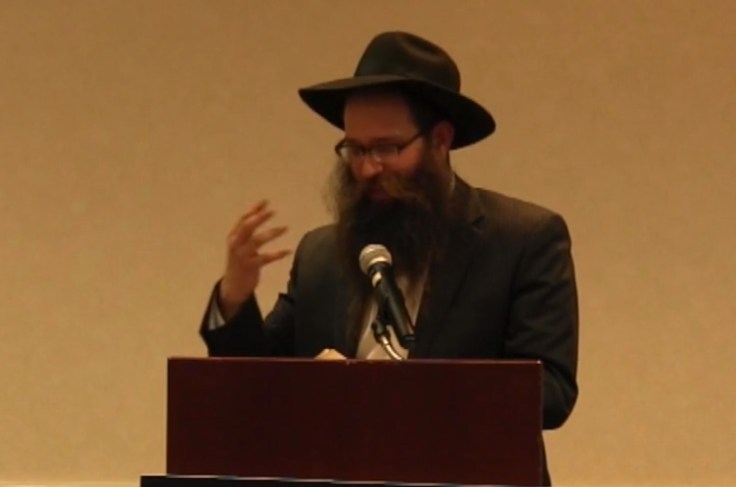
Monday March 3: Please join me for this public lecture!
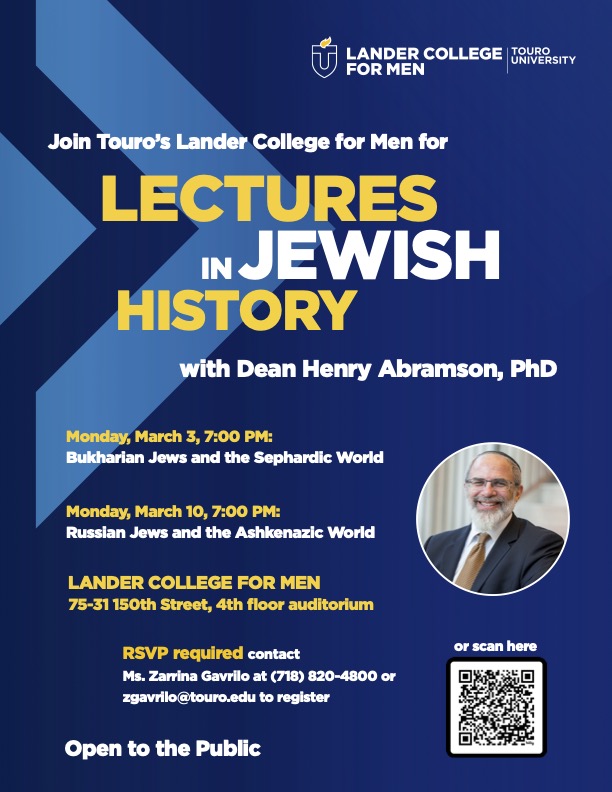
Lectures in Jewish History and Thought. No hard questions, please.

Contact their offices for details:


With Dr. Sharon Liberman Mintz, Judaica curator for Southeby’s, at a private viewing of this amazing 14th century Spanish Bible.






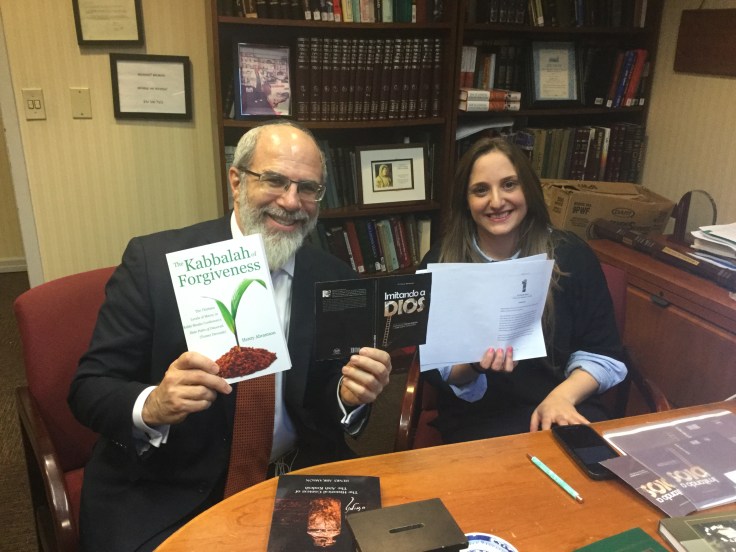

Really nice to meet with Jésica Neuah of Editorial Perspectivas to work on the tentative cover and book design of the Spanish edition of The Kabbalah of Forgiveness! Great to work with her and the whole team. G-d willing the book will be released in the summer of this year.
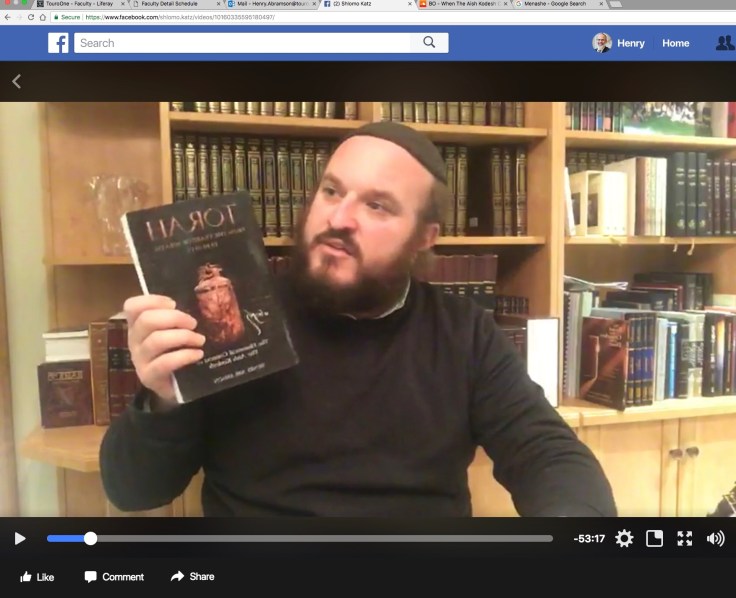
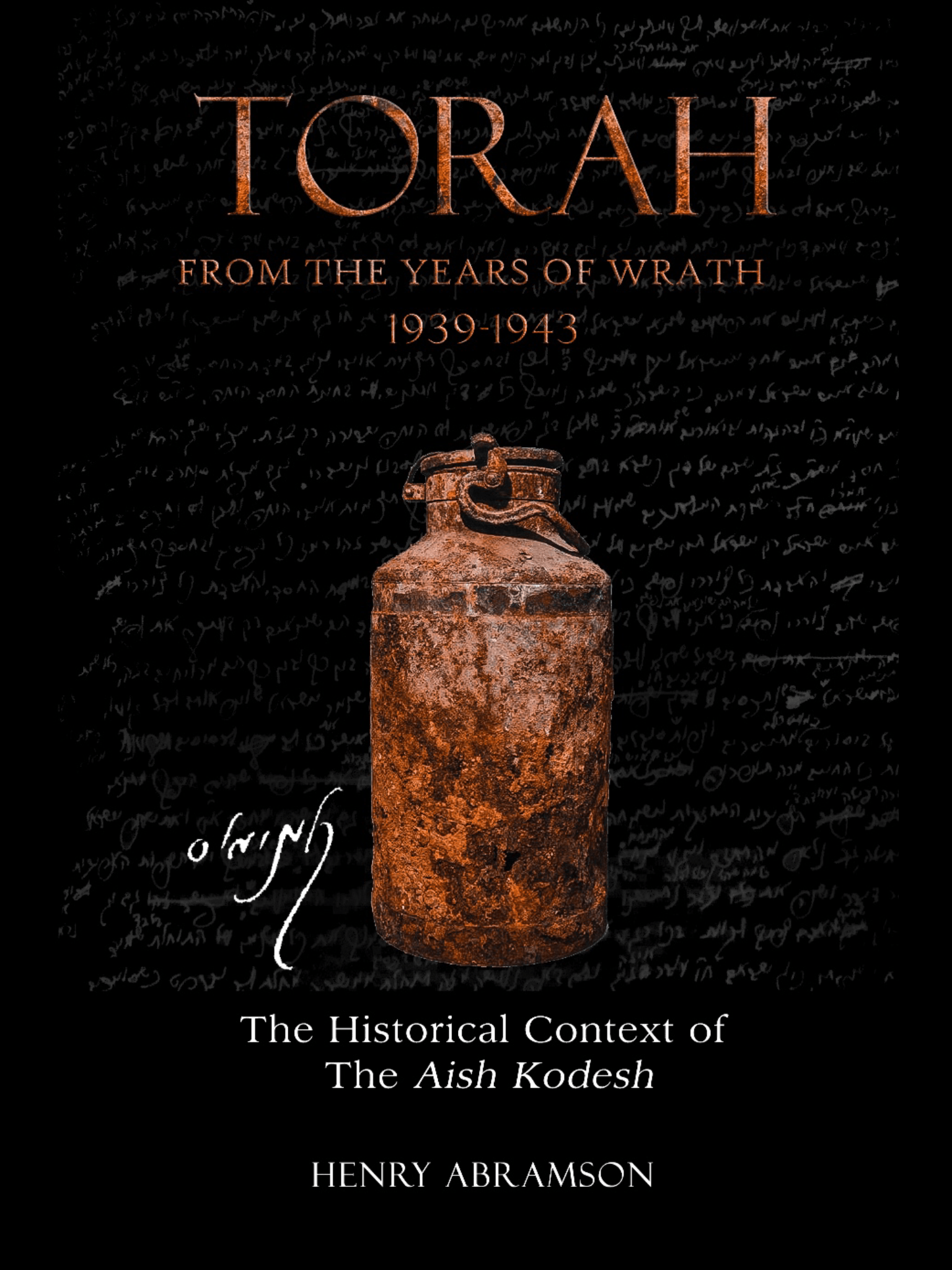
I had chills listening to Rabbi Shlomo Katz review the Rebbe’s words on this week’s parashah. I am grateful for his kind words of praise for my recent book on the historical context of the Aish Kodesh, but to tell the truth, I hardly recognized my own words from the masterful treatment they received from…

Chaim Kaplan recorded the mood in the Warsaw Ghetto in January 1942: The cold is so intense that my fingers are often too numb to hold a pen. There is no coal for heating and electricity is sporadic or nonexistent. In the oppressive dark and unbearable cold your mind stops functioning. Yet even in such…
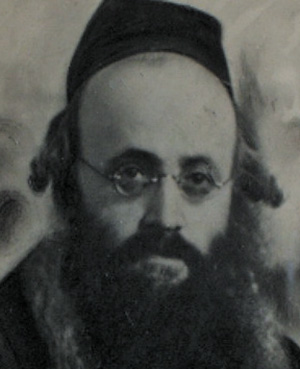
Five months into the Nazi occupation, the Jews of Warsaw struggled to keep up with the barrage of administrative decrees inflicted upon them by the Germans. When the Rebbe spoke on Parashat Vaera, which fell on January 6, 1940, the worst was still far off. The Nazis had replaced the leadership of the Jewish Council…
The winter of 5702 brutalized the Jews of the Warsaw ghetto with unforgiving cold. Chaim Kaplan, a school principal whose journal Scroll of Agony survived the war, recounts in his typically blunt prose how the physical privations of January 1942 affected the spiritual life of Ghetto inhabitants: Gone is the spirit of Jewish brotherhood. The…
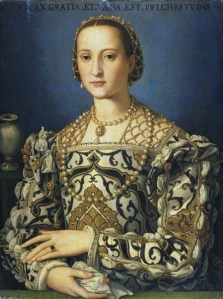
The Sephardic Diaspora Spring 2018 Lecture Series Monday Nights @ 7:00 pm Main Auditorium, Touro College, 1602 Avenue J Brooklyn NY 11230 (718) 535-9333 Free and Open to the Public No hard questions, please. Image: Eleanora of Toledo, student of Benvenida Abravanel February 5: Who Was Benvenida Abravanel? February 12 :Who Was Samuel Usque? (No Class Feb…
On December 27, 1941, the Piaseczno Rebbe delivered his last recorded drashah on Parashat Vayigash in the Warsaw Ghetto. The previous month was especially brutal: an especially cold winter, combined with a severe coal shortage, exacerbated the typhus epidemic, and each morning a detail of the chevra kadisha patrolled the streets to collect the bodies…

Really pleased to receive author copies of the new Ukrainian translation of my first book! Thanks to translators Anton Kotenko and Oleksandra Nadtoky and all the great people at Dukh i Litera.
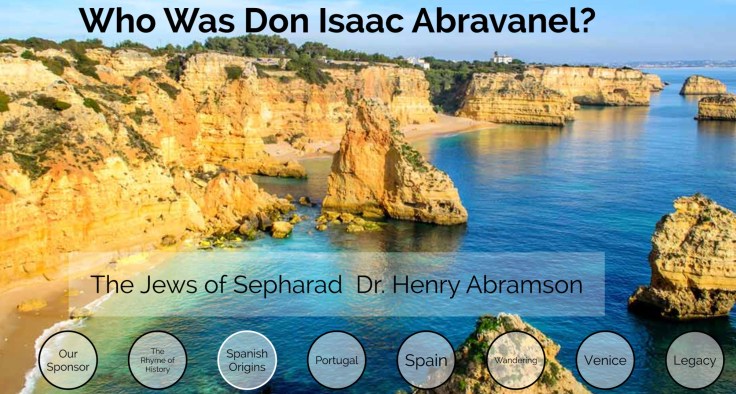
Brief video describing the life and work of Don Yitshak Abravanel (Abarbanel), a great Portuguese-Spanish Jewish thinker and leader. Part of The Jews of Sepharad series. Click here to view books by Dr. Abramson (remarkably amazing Chanukah reading)
Brief video on the life and times of Abraham Senior, important 15th-century Spanish Jewish financier. Suggestions for Chanukah Reading! Click here to order.
 Henry Abramson