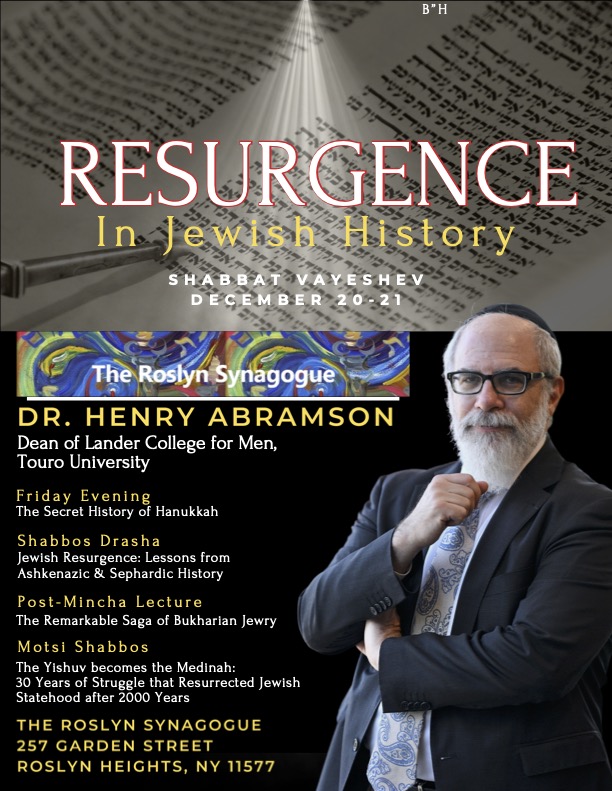
Monday March 3: Please join me for this public lecture!
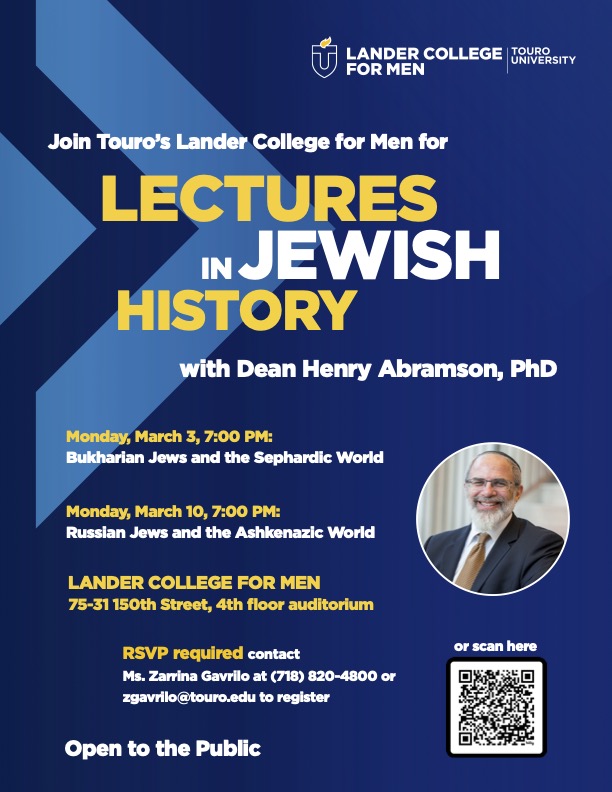
Lectures in Jewish History and Thought. No hard questions, please.
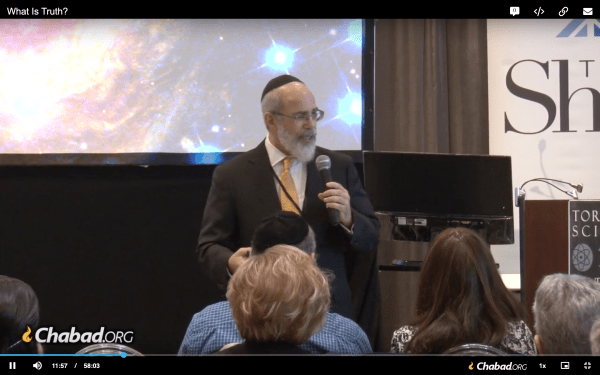

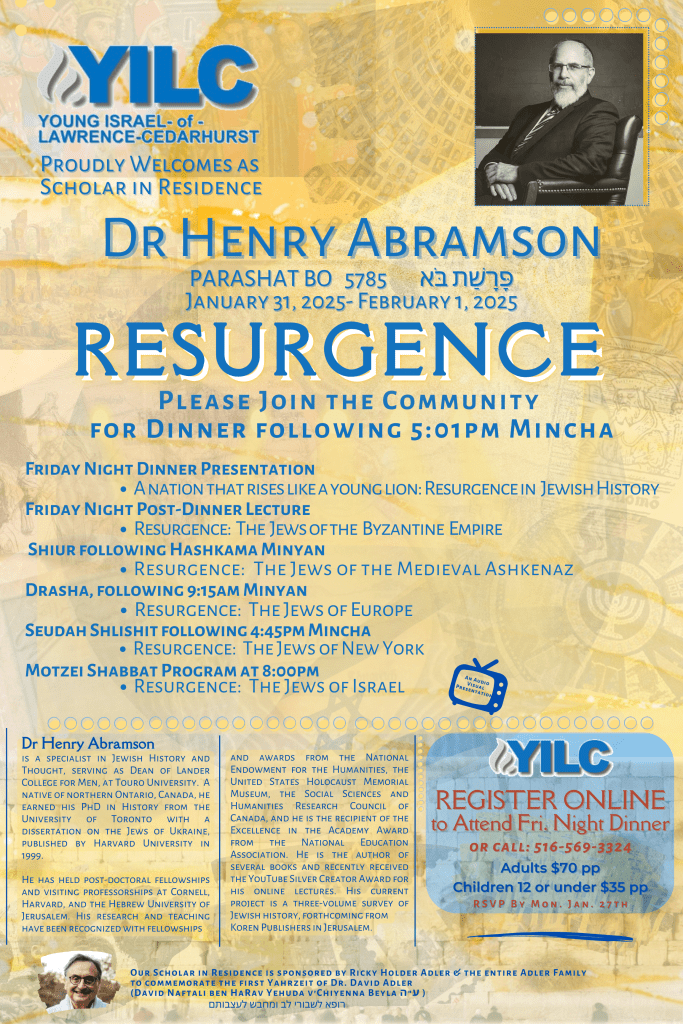
Contact their offices for details:


With Dr. Sharon Liberman Mintz, Judaica curator for Southeby’s, at a private viewing of this amazing 14th century Spanish Bible.

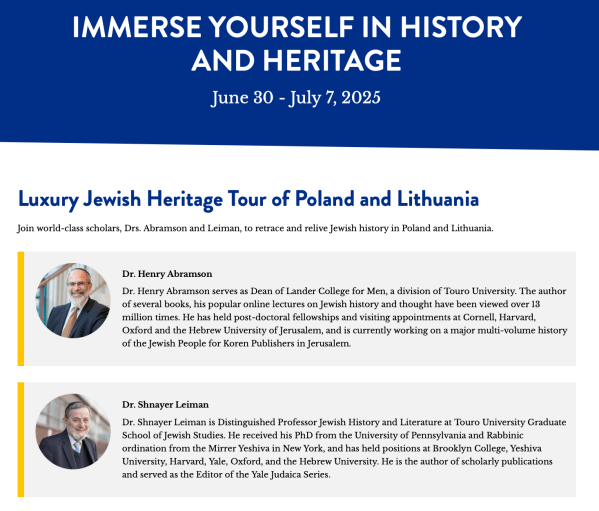





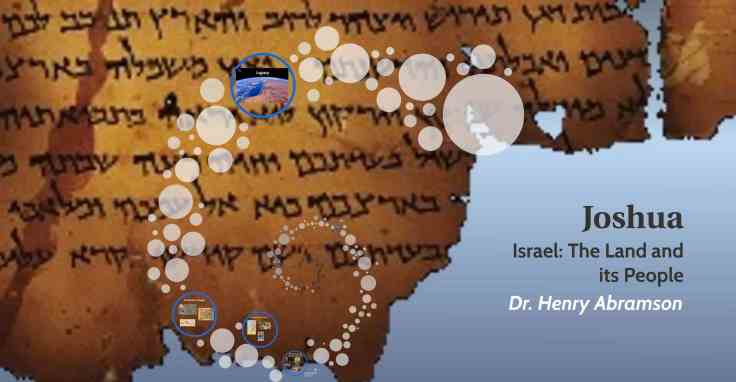

The Bible describes how the Jewish people, emerging from Egyptian servitude and decades of wandering in the Sinai desert, followed Joshua’s military leadership to conquer the Land of Israel and establish the ancient foundations of their Torah-centered society. This lecture will survey the archeological and historical record to understand the larger context of the Biblical…
Mystic and early Zionist, Rabbi Avraham Isaac Kook’s challenging and eclectic philosophy has inspired generations of Jews since his passing in 1935. Often misunderstood, Rav Kook’s role as one of the principal Rabbinic figures of the era was foundational for establishing a religious ideology for the the modern, secular and democratic state of Israel.
“If I can’t dance to it, it isn’t my revolution!” A fiery orator and fearless iconoclast, Emma Goldman was one of the most notorious and controversial left-wing thinkers of turn-of-the 20th century America.
Titled “poet of shame and guilt” by a recent biographer, Franz Kafka’s early twentieth-century writings have challenged generations of readers worldwide. Inspired in part by his early infatuation with his Jewish background, his haunting and opaque tales continued to be studied as statements of the modern condition.
Heroic pioneer of modern educational theory, Henryk Goldszmit (who wrote under the pen name Janusz Korzcak) ran an orphanage in the beleaguered Warsaw Ghetto, ultimately accompanying his youthful charges to the gas chambers of Treblinka.
Widely regarded as one of the most brilliant experts in Jewish law of the twentieth century, the Chazon Ish played a major role in the development of the modus vivendi between secular and religious Israelis.
Elie Wiesel was a Nobel laureate for literature and a relentless champion of human rights. His best known work is Night, based on his experiences in the Holocaust.
Named in the Torah as “the father of many peoples,” Abraham the Patriarch is revered by Jews, Christians and Muslims as the original proponent of monotheism. This lecture will survey what the archeological and historical record reveals about the demographic, economic, and cultural environment in Israel when the Patriarchs and Matriarchs walked the land.
Revered for centuries as Rabban shel Yisrael (“the Teacher of All Israel”), Rabbi Shlomo Yitzchaki’s writings on the Torah has earned primacy among all commentators: clear and straightforward enough for children yet sophisticated for the most learned elder. His spiritual leadership was tested at the end of his life with the tragedy and devastation of…
Good morning everyone! For those of you who signed up to follow my lectures via email: I’m migrating your address to Constant Contact today. This will give you a much richer experience, with embedded videos and photos, eliminating a click or two. Don’t worry, I will delete your current email on this site, so you won’t…
Israel: The Land and its People. Spring 2017. http://ow.ly/VWMP307xVGn
 Henry Abramson