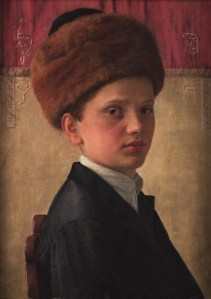
Really looking forward seeing my friends at YILC!

Lectures in Jewish History and Thought. No hard questions, please.


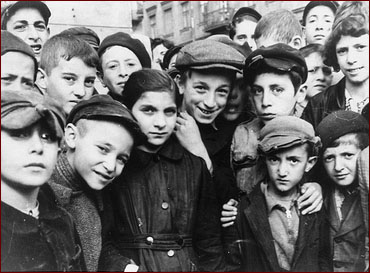
After several weeks without recording a drashah, perhaps related to the horrendous typhus outbreak of the late winter of 1941, the Rebbe delivered a series of powerful derashot for the Passover holiday. On the Seventh Day of Pesach he turned his attention to the subject of Torah learning. The memoirs of Chaim Kaplan, a former principal, describe…

Passover in the Warsaw Ghetto: Inspiration for the Second Seder Taken from Torah from the Years of Wrath (Aish Kodesh) אני מבקש ומתחנן לפני כל אחד מישראל שילמוד בספרי, ובטח זכות אבותי הקדושים זצוקלל״ה יעמוד לו ולכל ביתו בזה ובבא “I request and plead every person of Israel to study my works—surely the merit of…

Brief lecture on the life and work of Judah Touro, an important 19th-century American philanthropist for whom, together with his father Isaac, Touro College was named.

School principal Chaim Kaplan recorded the bleak mood in the Warsaw Ghetto on the eve of Passover of the Hebrew year 5701 (1941): Like the Egyptian Passover, the Passover of Germany will be celebrated for generations. The chaotic oppression of every day throughout this year of suffering will be reflected in the days of the…

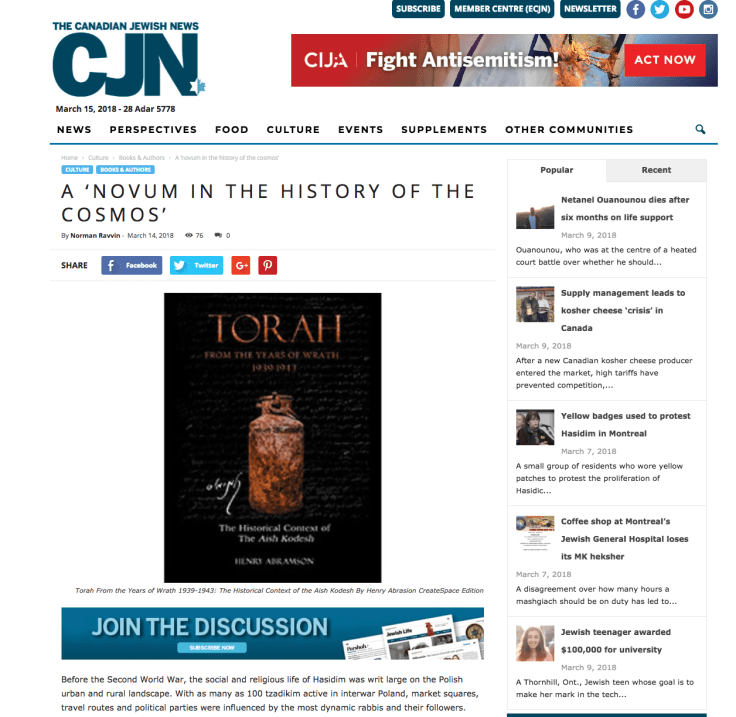
Really nice to see that readers in my native Canada are encountering the Piaseczno Rebbe: Here’s a new review by Dr. Norman Ravvin, appearing in the current Canadian Jewish News. Note to my dear readers: the book is in Judaica stores, on Amazon and Kindle, but my favorite (and the best value) is the beautiful…

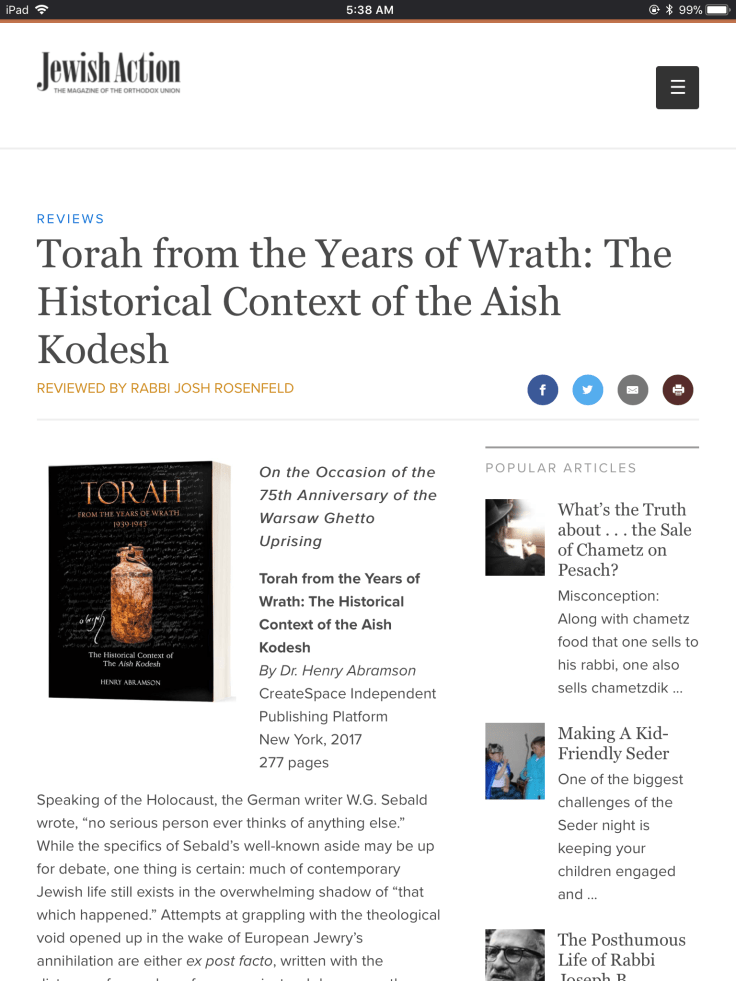
I’m grateful to Rabbi Josh Rosenfeld for his kind and thoughtful review of Torah from the Years of Wrath, which appeared in this month’s Jewish Action. Please click here to read his thoughts on the work of the Piaseczno Rebbe.

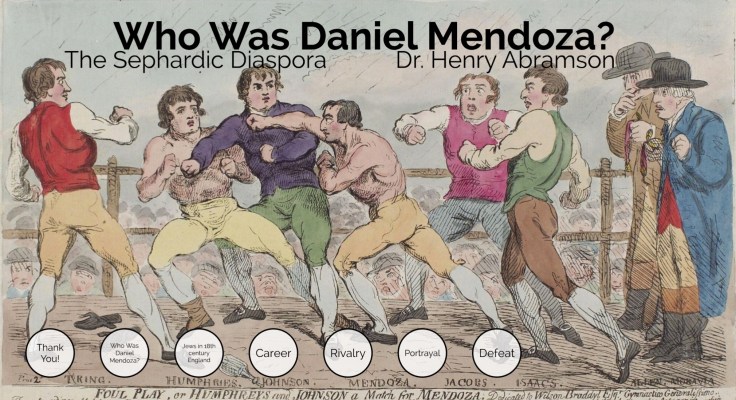
Brief lecture on the life and times of Daniel Mendoza, a Sephardic Jewish champion boxer of the 18th and early 19th century.

In early February 1940 the Nazis promulgated decrees that prohibited Jews from benefitting from general community charity services. Ration cards were distributed with racial distinctions: Jews received cards with a Star of David marked on them, while Poles and Germans received colored, otherwise unmarked cards. At this early date in the war, hunger did not…

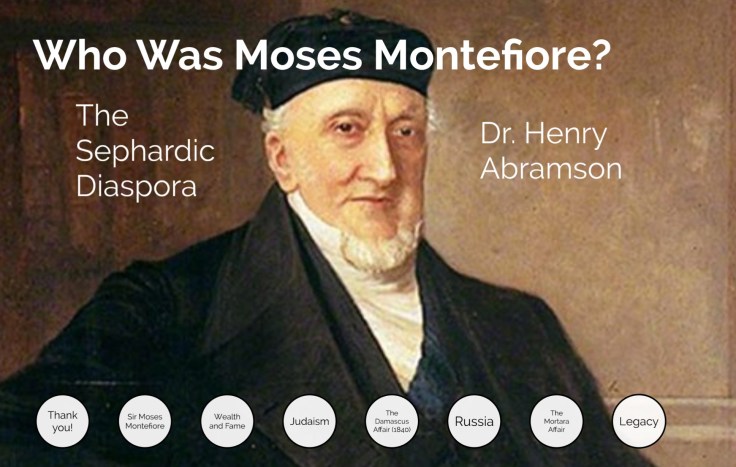
Brief presentation on the life and works of Sir Moses Montefiore, an important 19th century Sephardic English philanthropist. Part of the Sephardic Diaspora series.

“Faith is not an argument. It is a conversation, in which we listen, accept the premises of the interaction, make active choices and contributions, shift our direction as necessary based on the cues we hear, and most importantly, keep the conversation alive and active…Abramson’s work allows us to eavesdrop on one of the most powerful…

I am grateful for this thorough and kind review of the recent Ukrainian translation of “Ukrainians and Jews in Revolutionary Times” by Oleksandr Zinchenko, published in today’s Istorichna Pravda. If you don’t read Ukrainian (and refuse to read Google translate, which is close enough to the original to be seriously misleading), the revised English edition…

Brief presentation of the life and work of Rabbi Chaim Yosef David Azoulay, a fascinating Sephardic Rabbi of the 18th century. Part Three of The Sephardic Diaspora series.


Compiled by Rabbi Yehuda Ha-Nasi in an exceptionally difficult time for the Jewish people, the Mishnah created the possibility of creating a “portable Judaism.” After the destruction of the Temple in 70 and the dramatic escalation of the diaspora, the Mishnah allowed Jews to define their religion within an intellectual and textual context, outside of…

Virtually ignored by Jewish philosophers, Philo of Alexandria represented the high point of synthesis between Greek and Jewish thought in the ancient world, and had a huge influence on early Christian thinkers. A prominent representative of the Egyptian Jewish community to the Roman Emperor, and well-respected in his day by his coreligionists, he nevertheless had…

Wrongly accused of espionage, Captain Alfred Dreyfus was sentenced to Devil’s Island on the basis of remarkably tenuous evidence. May critics, including the famous writer Emile Zola, argued that Dreyfus was unfairly charged simply because he was a Jew in the French army. As evidence mounted that another officer was guilty, the Dreyfus Affair exposed…

Captured by the Romans, Josephus was a Jewish general who ultimately served as a military advisor to General Titus. Josephus recorded his first-hand observations of the destruction of the Temple, and went on to a brilliant literary career in Rome, describing Jews and Judaism to a wider audience. Who was Josephus–traitor to his people or…

Rembrandt is well-known for his depictions of Jewish subjects, both as contemporary portraits and as models for Christian biblical characters.

Photo: Aryeh Abramson looks out over Iroquois Falls, Ontario, Canada, where he spent the Sukkot vacation visiting his grandparents. Captured by the Roman General (and later Emperor) Vespasian while defending the Galilee, Josephus ultimately turned against his coreligionists and served as an advisor to the forces besieging Jerusalem during the first Roman-Jewish War. His first-hand…

Moses Maimonides (1135-1204) was one of the greatest minds the Jewish people ever produced: philosopher, jurist, physician, and an extremely prolific writer who left us classics like The Guide for the Perplexed and the Mishneh Torah. For several years I have been in the habit of reviewing his Laws of Repentance in the weeks leading up to the…

Pope Gregory I (“the Great”) was one of the most influential Church leaders of the medieval period. His policy on the treatment of Jews in Christian Europe, known by the Latin phrase “Sicut Judaeis,” instituted an official if ambivalent position that lasted from the sixth century to the beginnings of the modern era.

Reeling from the humiliating defeat of the Crimean War, the Russian Empire decides its policy of forcibly conscripting Jewish boys into military service is counterproductive, and finally abandons the cruel decades-old policy of taking underage children into thirty-one years of military training and service.

To view the Prezi associated with this lecture, please click here. Excerpt from “The Jewish Diaspora: A Brief History” Henry Abramson 3. The Roman-Jewish Wars Our sources for the Roman-Jewish wars of the first and second centuries are more substantial than those of earlier periods, primarily because the importance of developments in this tiny…

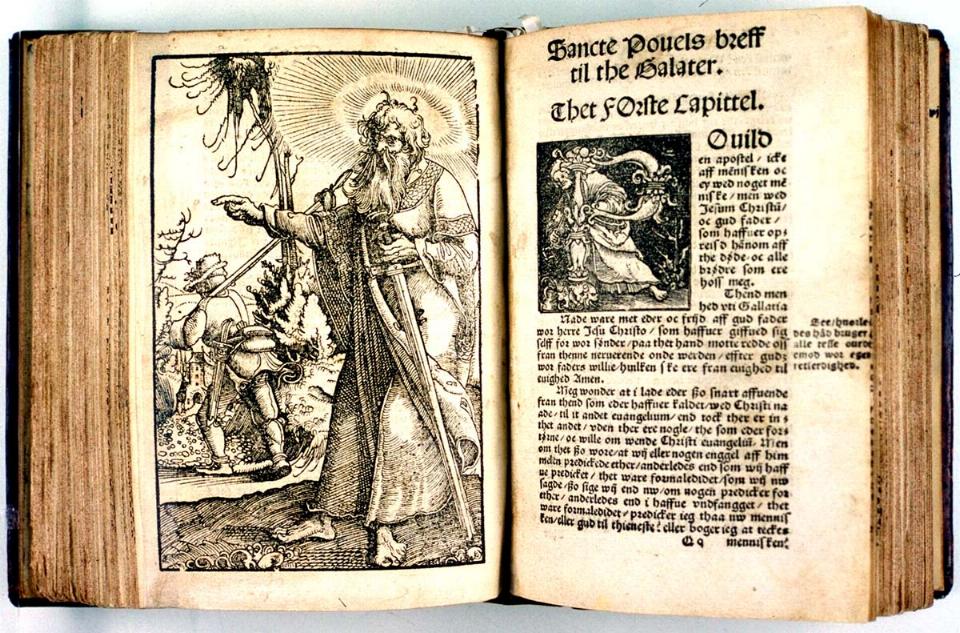
Born in turbulent times, Christianity emerged from its intensely Jewish roots to become the official religion of the Roman Empire within a remarkably brief period of time. As a daughter religion to Judaism, however, dissent between the two faiths slowly dominated the discourse as Christianity became less of a Jewish movement, and more of a…