Monday March 3: Please join me for this public lecture!

Lectures in Jewish History and Thought. No hard questions, please.

Contact their offices for details:


With Dr. Sharon Liberman Mintz, Judaica curator for Southeby’s, at a private viewing of this amazing 14th century Spanish Bible.










Here’s a brief message from my daughter Danit Malka, who is preparing for a major hike along the Grand Canyon to raise funds for Friendship Circle, an organization dedicated to helping children with disabilities. Please partner with Danit Malka and help her meet her fundraising goal to help these kids by visiting http://www.hike.teamfriendship.org/DanitMalka. Thank you!

http://www.aish.com/jl/h/h/The-First-Pillar-of-Jewish-Law-The-Rif.html The First Pillar of Jewish Law: The Rif by Dr. Henry Abramson Appreciating the trailblazing scholarly work of Rabbi Yitzchak al-Fasi. Students with even a cursory familiarity with Halacha, Jewish law, are aware of the importance of the Shulchan Aruch, Rabbi Yosef Karo’s comprehensive 15th century magnum opus that informs, directs, and inspires the…
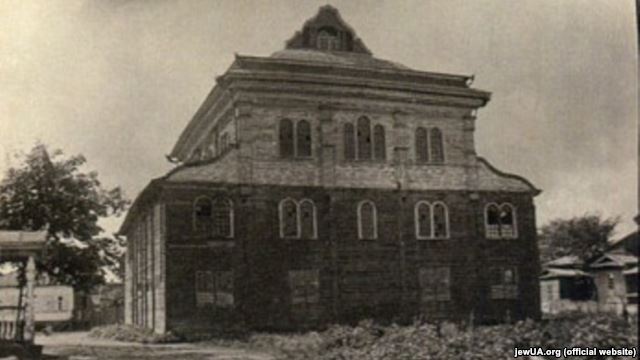
This article appeared in Radio Svoboda at: http://www.radiosvoboda.org/content/article/27692726.html. I understand an English translation is forthcoming for readers who aren’t yet fluent in Ukrainian. 26.04.2016 «Чорнобиль не загинув» – нащадок чорнобильських рабинів Радіо Свобода Рід рабинів Тверських налічує понад 50 тисяч нащадків, але святим місцем для них залишається український Чорнобиль Впродовж останніх 30 років український Чорнобиль…
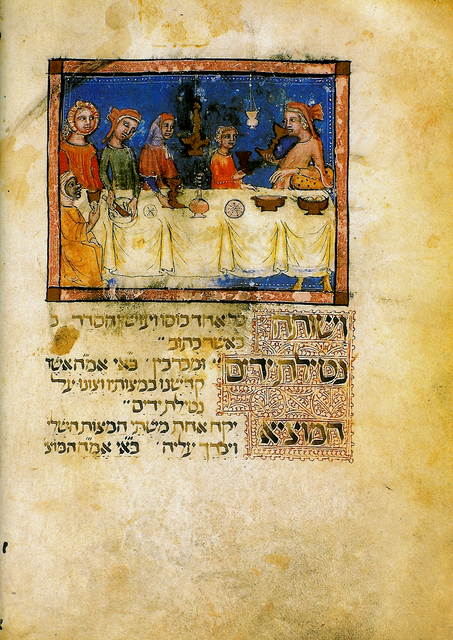
http://www.aish.com/jw/s/The-Mysterious-Miraculous-Sarajevo-Haggadah.html The Mysterious, Miraculous Sarajevo Haggadah by Dr. Henry Abramson The amazing story of the 700 year old Haggadah, the Muslim librarian who saved it from the Nazis, and how his children were miraculously saved by Israel. Resplendent in deep blues, brilliant yellows and alluring reds, the 14th century Sarajevo Haggadah was created during the…
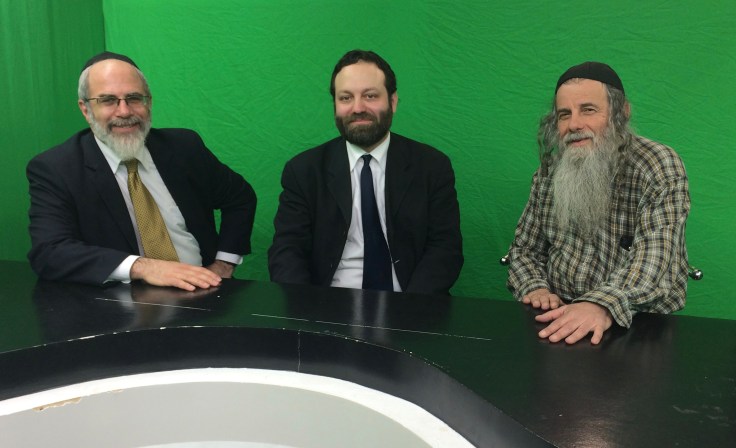
Here’s the interview Pesach Charney and Nissim Lazari conducted at jrouteradio.com on April 4. Hope you enjoy it!

http://www.aish.com/jw/s/The-Soviet-Campaign-to-Eliminate-Passover.html The Soviet Campaign to Eliminate Passover by Dr. Henry Abramson “Red Haggadahs” were published in the 1920s with the explicit goal of replacing belief in God with faith in Communist Russia. One of the most unusual episodes in the long history of anti-Semitic persecution is the Soviet anti-Jewish campaign of the 1920s. Utilizing formerly…
Brief overview of the history of Jewish immigration to the United States and demographic developments to the beginning of the 21st century.
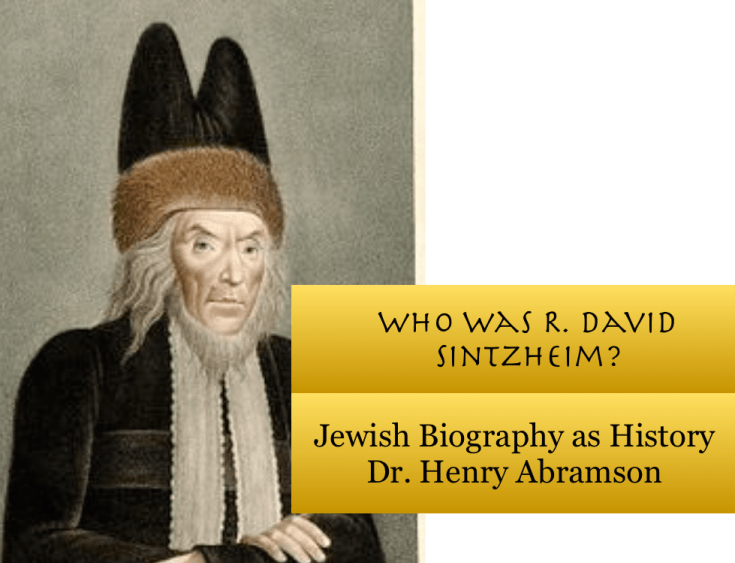
Appointed as the head of Napoleon’s Grand Sanhedrin, respected Rabbi and Rosh Yeshiva David Sintzheim created a political modus vivendi for Jews in modern Europe. Click here for the Prezi associated with this video.
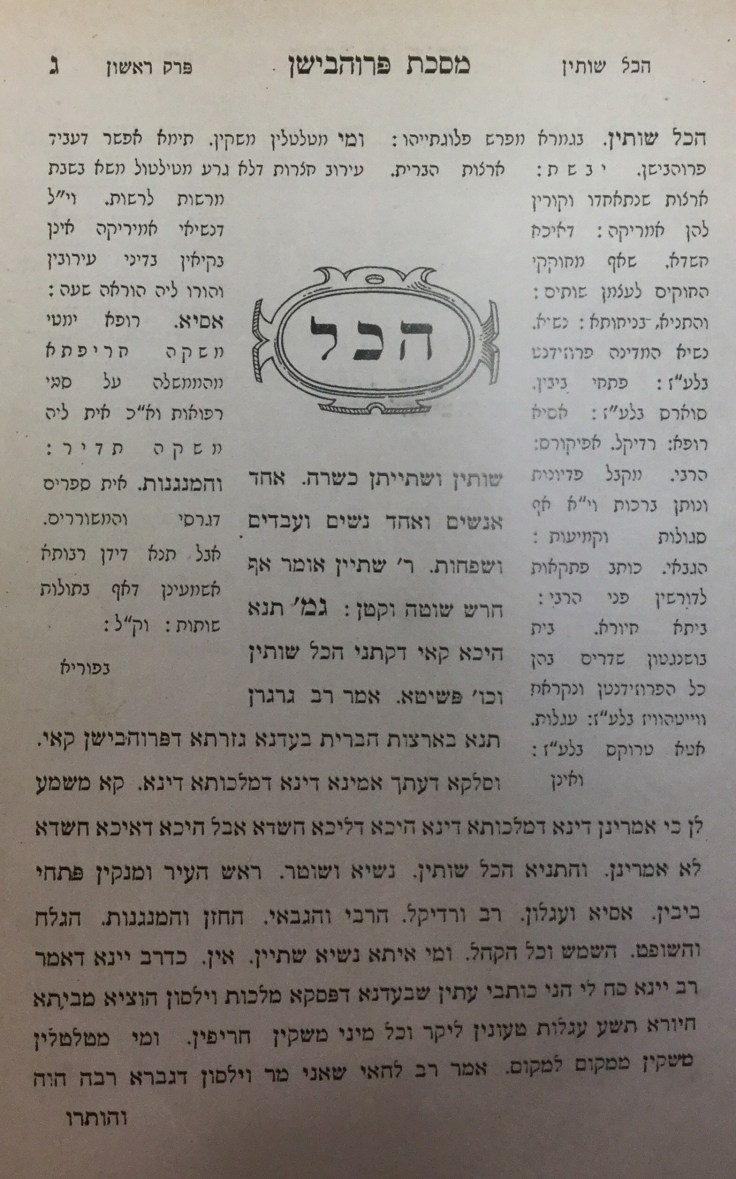
Tractate “Prohibition”People of the Book: Great Works of the Jewish Tradition Dr. Henry Abramson “Reverend” Gershon Kiss of Brooklyn captured the spirit of Purim brilliantly in his 1929 parody of the Talmud, “Tractate Prohibition,” which pokes fun at both Rabbinic dialectic and American society. Written in a combination of Hebrew, Aramaic and the occasional Anglicism…
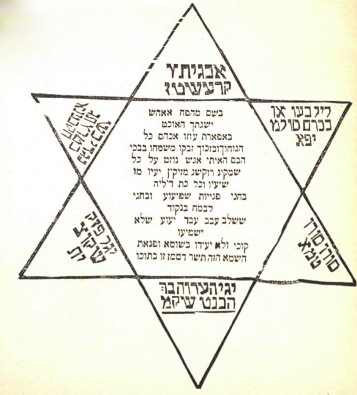
Intimidated by neither power nor position, Rabbi Yaakov Emden left a remarkable literary legacy in the form of his autobiography, Megilat Sefer. This brief lecture provides an overview of his life and work, including his epic controversy with Rabbi Yonasan Eibeschutz. R. Yaakov Emden, Megilat Sefer People of the Book: Great Works of the Jewish…

Detractors and admirers alike called him a “zealot, the son of a zealot” a fitting title for arguably the most divisive figure in early eighteenth-century Jewish history. A native son of Jerusalem, Rabbi Moshe Chagiz (1671-1751) originally journeyed to Europe to raise funds for his beleaguered Yeshiva. Within a short period of time, however,…

Two hundred years ago, Sefer Ha-Brit was a fixture in the library of every educated Jewish home. First published anonymously in 1797, this hugely popular 800-page tome appeared in forty editions, including translations into Ladino and Yiddish. It was widely read by Ashkenazim and Sefardim, western and eastern European Jews, Hasidim, Mitnagdim and Maskilim…
 Henry Abramson