The Jews of Bukhara (Sunday in Denver); the Maimonidean Controversy; Save the Date for Roslyn NY

Really looking forward to speaking to the Or Avner community in Aurora, CO!

The Maimonidean Controversy
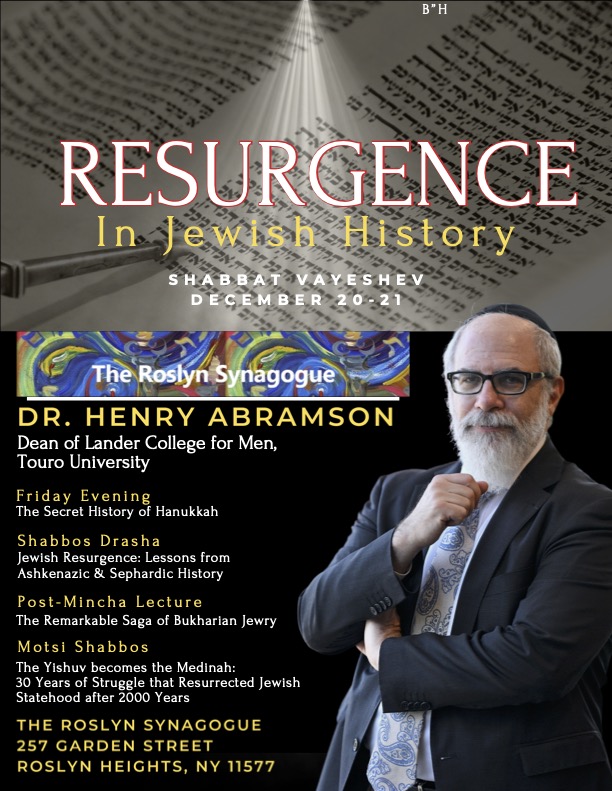
Save the Date: Shabbaton in Roslyn NY, December 20-21
-

Crash Course on the Israeli-Palestinian Conflict
Part III Premiers at 10am with Live Chat Parts I and II
-
Origins of the Palestinian-Israeli Conflict Part II: Toward a Two-State Solution, 1949-1993; Duarte De Paz Holds back the Portuguese Inquisition; Post-Peer Reviewed Chapters of Volume 1 now Online
Premiering at 10am ET (New York time) The Amazing Career of Duarte De Paz Peer-reviewed The Jewish People: A History now online With gratitude to the hundreds of students of Jewish history who contributed suggestions and edits to the first volume of The Jewish People: A History, and the constructive edits provided by the peer…
-
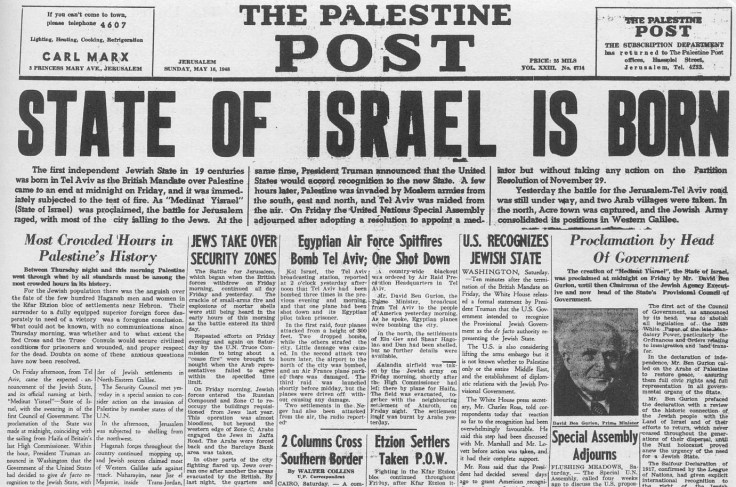
Origins of the Palestinian-Israeli Conflict, Part I: To 1949
Premiering Sunday at 10am EST. Join us for a live chat. The video is currently available to Channel Members for advance viewing.
-

Touro University Stands with Israel; Talking Gaza to Teens in Florida; What is Islamic Antisemitism? How did Portuguese Jews Survive the Inquisition?
Students Please RSVP for the Bus to DC What is Islamic Antisemitism? Talking Gaza to Teens (also adults, and also Safed) How did Portuguese Jews Survive the Inquisition?
-

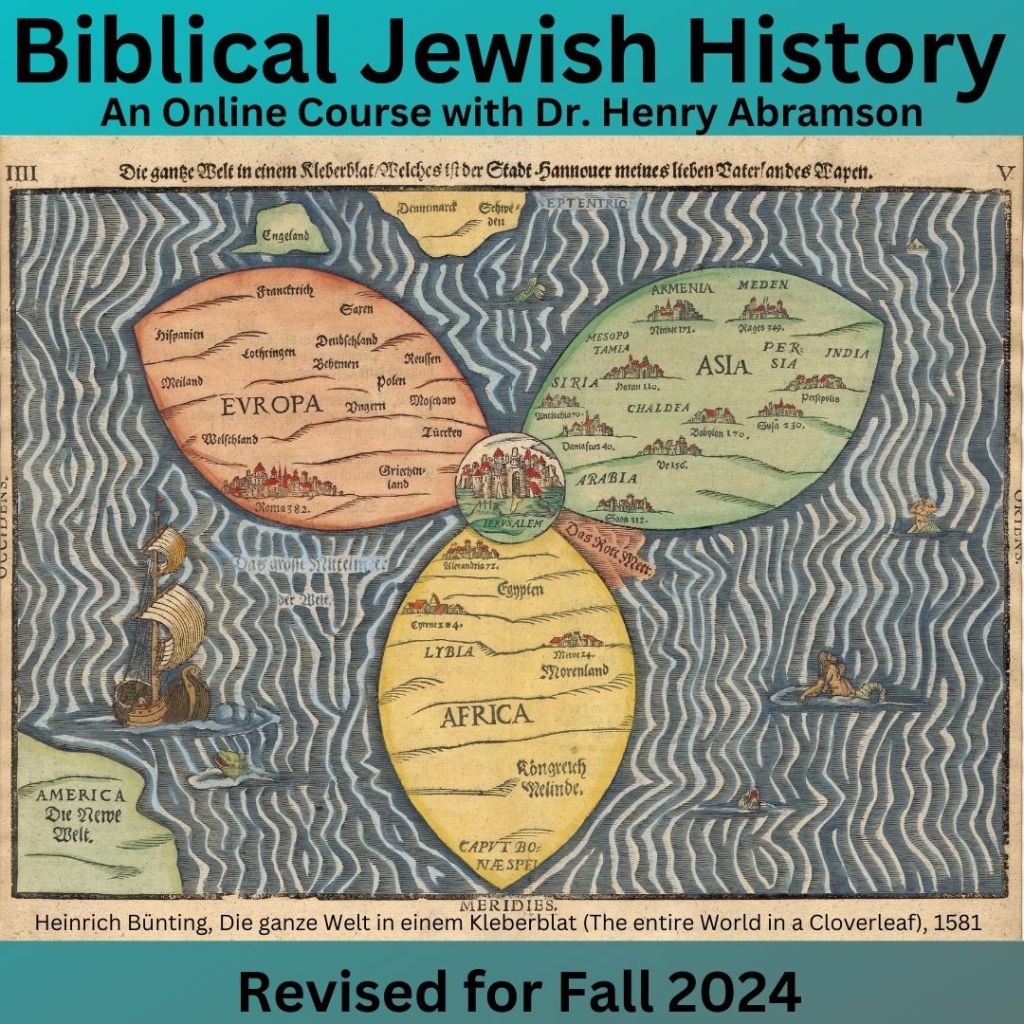
Biblical Jewish History Course Updated; Talking to Teens about Gaza (Palm Beach Nov 12); Why do Some People Hate Jews?
Sadly, an Evergreen Topic Please join me at Palm Beach Synagogue on Nov 12 for a discussion of Gaza in Jewish History (general lecture and a special session for teens) and a look at 16th century Safed Click here to register. Biblical History Course Updated Many of you followed the Jewish History Lab series of…
-

Jewish History along the Rhône River in Southern France
A deep and meaningful journey with Kosher Riverboat Cruises.
-
Captivity of the Maharam Rotenburg; How did Jews end up Everywhere?
New lecture in the series Jewish History for Parents and other Teachers of Children This 13th Century Rabbi Refused to be Ransomed from Captivity
-
Just How Awesomely Long is Jewish History, Anyway?
I recorded this before Simchas Torah, so the tone is a little more cheerful and upbeat than I feel. But maybe that’s appropriate: we must continue.
-
-
-
-
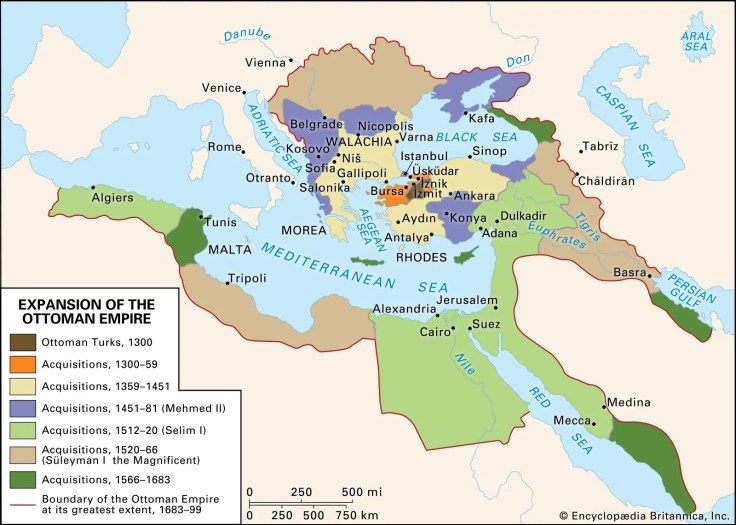
The Jews of Arles, France; The Kabbalists of 16th c. Safed and the Ten Days of Repentance
Recording of Live Lecture The Jews of Arles, France


The Jews of Bukhara (Denver, CO); The Jews of the Lesser Antilles; Varieties of Crypto-Jewish Identity; Wait, Alexander Hamilton was Jewish?
Looking forward to a wonderful Shabbat in the Denver Jewish community!
Our Itinerary of Discovery in the Western Caribbean
Channel Members
Premiering at 10am ET
-

The Martyrs of Mumbai (This Week in Jewish History)
Pakistani terrorists attacked the Chabad House in Mumbai, India, on Wednesday, 29th of Heshvan, 5769 (26 November 2008). Part of a concerted attack that killed 179 and wounded hundreds, they murdered the young Chabad emissaries running the house, Rabbi Gavriel and Mrs. Rivky Holtzberg. Their infant son, who turned two the day after his parents…
-

Rav Sherira Gaon: The Jews of Babylon (Next Week: Sa’adia Gaon)
Who, exactly, wrote down the foundational texts of the Oral Torah? Who is responsible for the compiling of the Talmud? These were some of the questions addressed to Sherira Gaon, the Rosh Yeshiva of the great city of Pumbedita in Babylon in 987 by a young Rabbi in Tunisia. His famous response, preserved for over…
-

Hannah Szenes: Poet-Martyr of the Resistance (This Week In Jewish History)
Hannah Szenes was a young Hungarian Jewish woman who joined the resistance in 1943, parachuting into Nazi-occupied territories with British support. She was captured and tortured, but did not divulge secret information on her colleagues. Her poetry, including the classic “Blessed is the Match,” survive and add to her legacy.
-
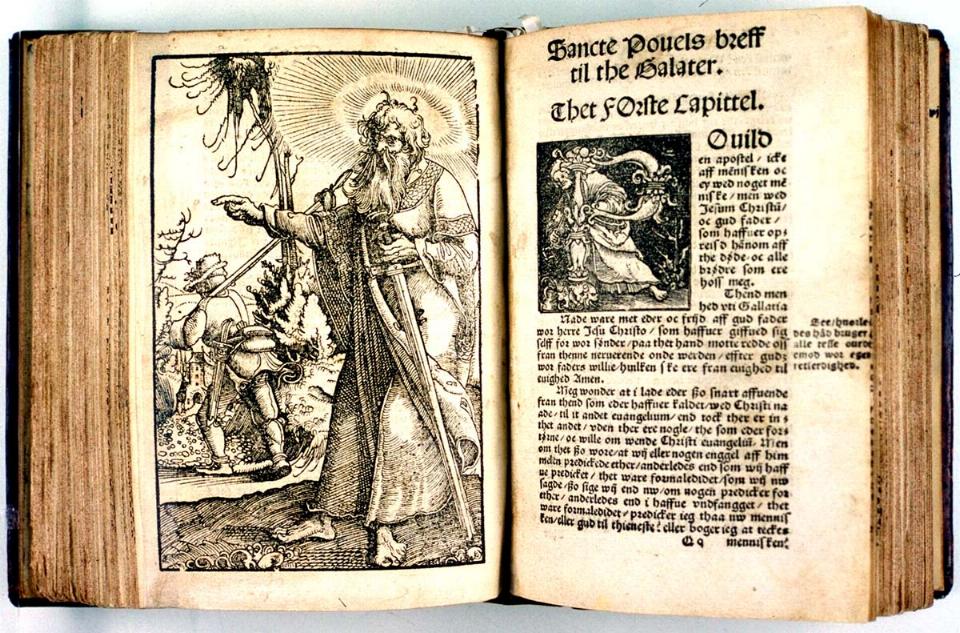
Paul of Tarsus: The Origins of Christianity in Jewish Context
Credited with the popularization of Christianity, Saul (later Paul) of Tarsus was influential in mediating Jewish ideas to an increasingly Gentile audience. Combining appealing concepts such as life after death and a personal Deity with a relaxed approach to the requirements of Rabbinic Judaism, the former Pharisee succeeded in spreading Christianity well beyond its narrow…
-

Vladimir Ze’ev Jabotinsky (This Week in Jewish History)
Vladimir Ze’ev Jabotinsky (1880-1940) was one of the most influential political thinkers in the first half of the twentieth century, founder of the Revisionist movement.
-

The Mishnah: Creating a Portable Judaism HIS 155 Lecture 1.5
Compiled by Rabbi Yehuda Ha-Nasi in an exceptionally difficult time for the Jewish people, the Mishnah created the possibility of creating a “portable Judaism.” After the destruction of the Temple in 70 and the dramatic escalation of the diaspora, the Mishnah allowed Jews to define their religion within an intellectual and textual context, outside of…
-

Philo Judaeus of Alexandria: Jews in the Greek World
Virtually ignored by Jewish philosophers, Philo of Alexandria represented the high point of synthesis between Greek and Jewish thought in the ancient world, and had a huge influence on early Christian thinkers. A prominent representative of the Egyptian Jewish community to the Roman Emperor, and well-respected in his day by his coreligionists, he nevertheless had…
-

The Dreyfus Affair (This Week in Jewish History)
Wrongly accused of espionage, Captain Alfred Dreyfus was sentenced to Devil’s Island on the basis of remarkably tenuous evidence. May critics, including the famous writer Emile Zola, argued that Dreyfus was unfairly charged simply because he was a Jew in the French army. As evidence mounted that another officer was guilty, the Dreyfus Affair exposed…
-

Who Was Josephus?
Captured by the Romans, Josephus was a Jewish general who ultimately served as a military advisor to General Titus. Josephus recorded his first-hand observations of the destruction of the Temple, and went on to a brilliant literary career in Rome, describing Jews and Judaism to a wider audience. Who was Josephus–traitor to his people or…
-
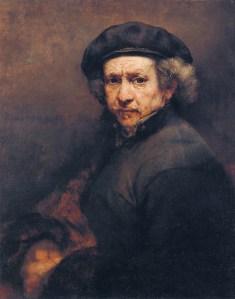
Rembrandt and the Jews (This Week in Jewish History)
Rembrandt is well-known for his depictions of Jewish subjects, both as contemporary portraits and as models for Christian biblical characters.
-

Who Was Josephus? Fall 2013 Lecture Series in Jewish History Resumes This Week
Photo: Aryeh Abramson looks out over Iroquois Falls, Ontario, Canada, where he spent the Sukkot vacation visiting his grandparents. Captured by the Roman General (and later Emperor) Vespasian while defending the Galilee, Josephus ultimately turned against his coreligionists and served as an advisor to the forces besieging Jerusalem during the first Roman-Jewish War. His first-hand…


Visits to Synagogues in Bordeaux and Libourne (France); Another Open Letter to Jewish Participants in anti-Israel Protests re: Amsterdam; Conference Presentation on Sheptytsky and WW II

Fantastic Voyage of Discovery with Kosher River Cruises
A Difficult Conversation
Recent Conference Presentation in Toronto
Wait, Christopher Columbus was Jewish? Documentary on Roman-Jewish War now Online

Surprised how much attention this got.
Herod’s Tragic Reign
The Fatal Conflict
How Jewish Culture will Thrive after October 7; The Jews of Al-Andalus Part II
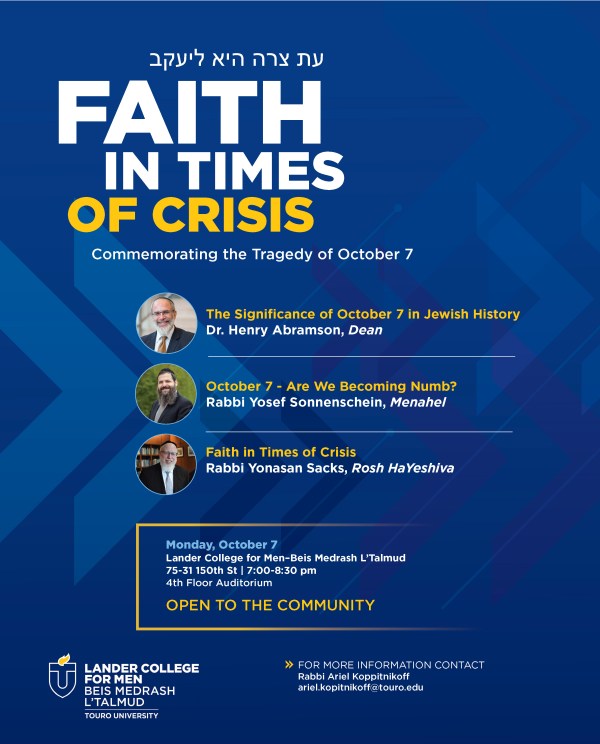
Remarks at Lander College for Men
Maimonides and the Controversy over His Work
Jewish Resilience After October 7; American Jews, Post-Honeymoon; The Jews of Al-Andalus

Three Strategies


Jews under the Visigoths II; The Spanish Golden Age

Public at 10am ET (44 minutes)
Online Courses in Jewish History


Jewish Life in Visigothic Spain; Commemorating October 7

This is one of the most bizarre periods of Jewish history, and that’s saying a lot.
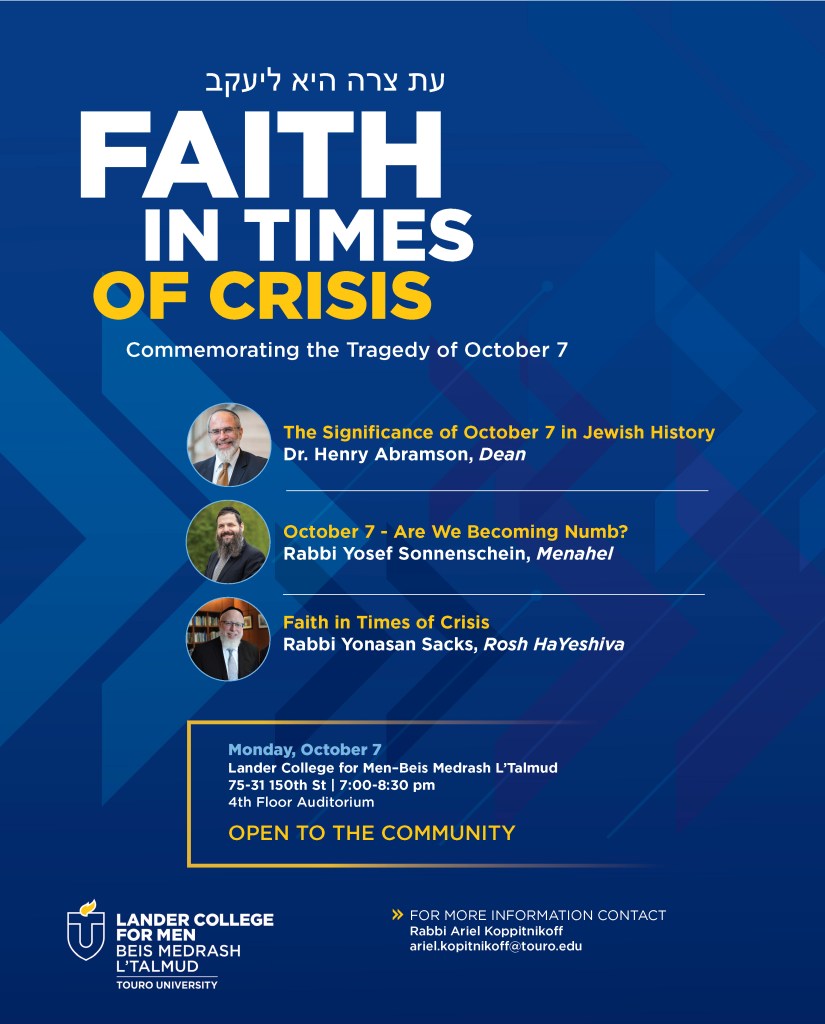
New Lecture Series: The Sweep of Sephardic History; Faith in Times of Crisis: Commemorating the Tragedy of October 7
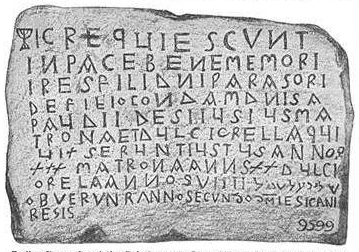
New Lecture Series: The History of Sephardic Jewry

