Had a great time speaking with Nachi and Momo of Meaningful People podcast. The conversation was a little personal, a little irreverent, but even a little deep. Hope I didn’t overshare!
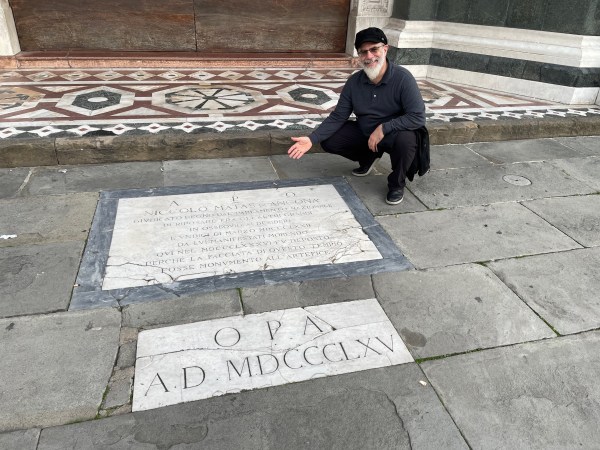
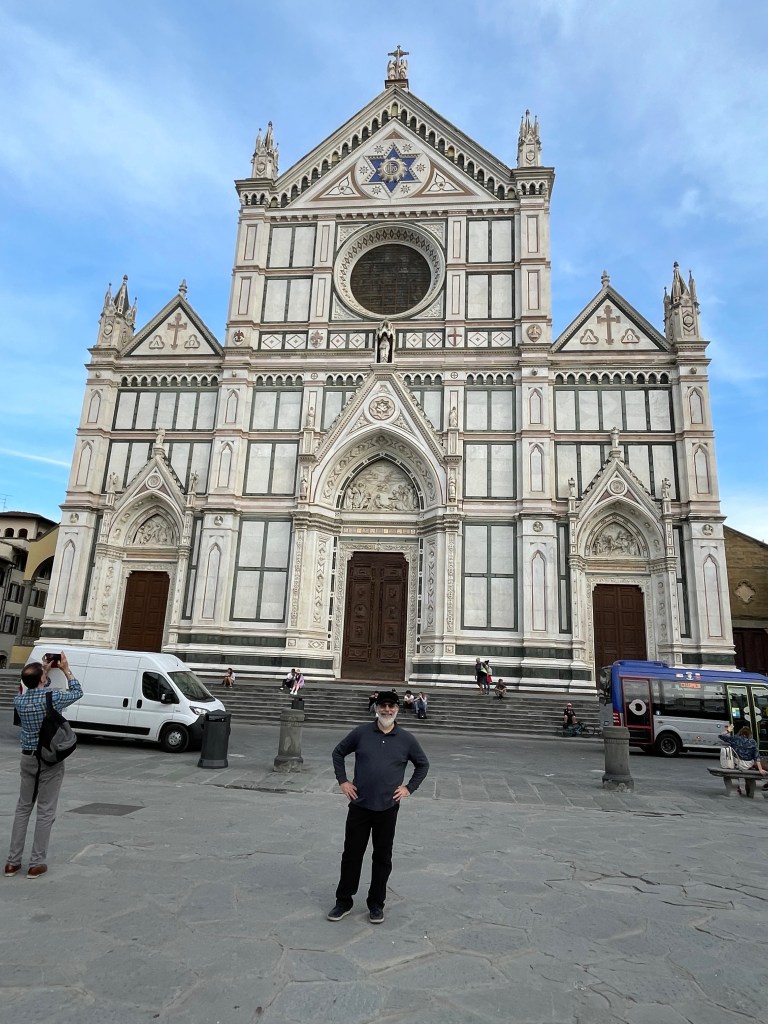
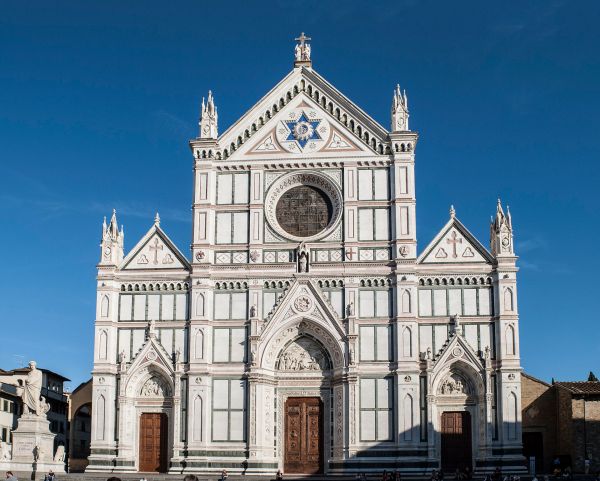
Last week I discussed the remarkable story of the Jewish architect Nicolo Matas (video below), who somehow got this Star of David prominently displayed on the Santa Croce church in Florence, Italy. Lots of important people are buried in the church (Michelangelo, Machiavelli, etc.) but given that Matas was unbaptized, he could only be laid to rest in a sarcophagus outside the church, immediately outside the front steps.
In a deeply ironic way, he is now buried in front of what appears to be the world’s largest Jewish tombstone.
Wishing all fellow students of Jewish History a G’mar ve-Hatimah Tovah; a successful completion to the end of the penitential season! May you and all your loved ones be blessed with health, and spiritual as well as material bounty in the year 5783 and beyond.
A tolerant admissions policy led to an explosion of Jewish students at this prestigious 13th century school.
Premieres at 12 Noon ET with Live Chat
Wishing all students of Jewish history and their loved ones a sweet new year!
Members-only Videos Now Available in Online Course
The following three videos tend to attract a lot of unwanted attention on YouTube, so they are currently sheltered behind a low paywall to discourage intellectual vandals. They are available to Channel Members (information on membership available here: https://youtu.be/CnJrOwzNrRw), but YouTube does not offer that option in all countries. The videos have also been uploaded to students registered for my online course in Biblical Jewish History (click here for registration information).
This topic, so important for the experience of Jews in European history, tends to attract a lot of unwanted attention. For now I prefer to offer them to Channel Members only, part of The Jewish Encounter with Rome series. I hope you find them useful.
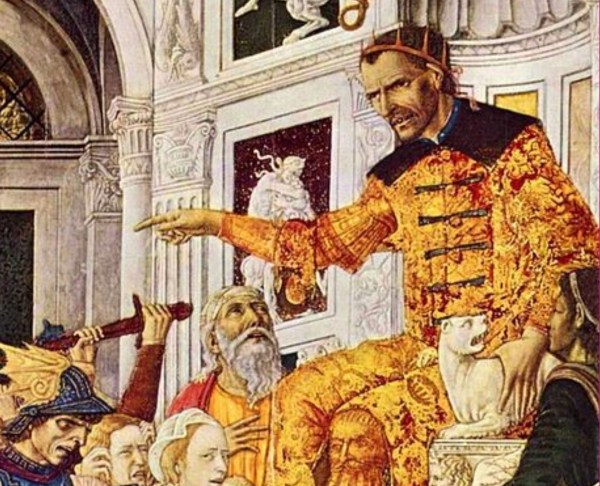
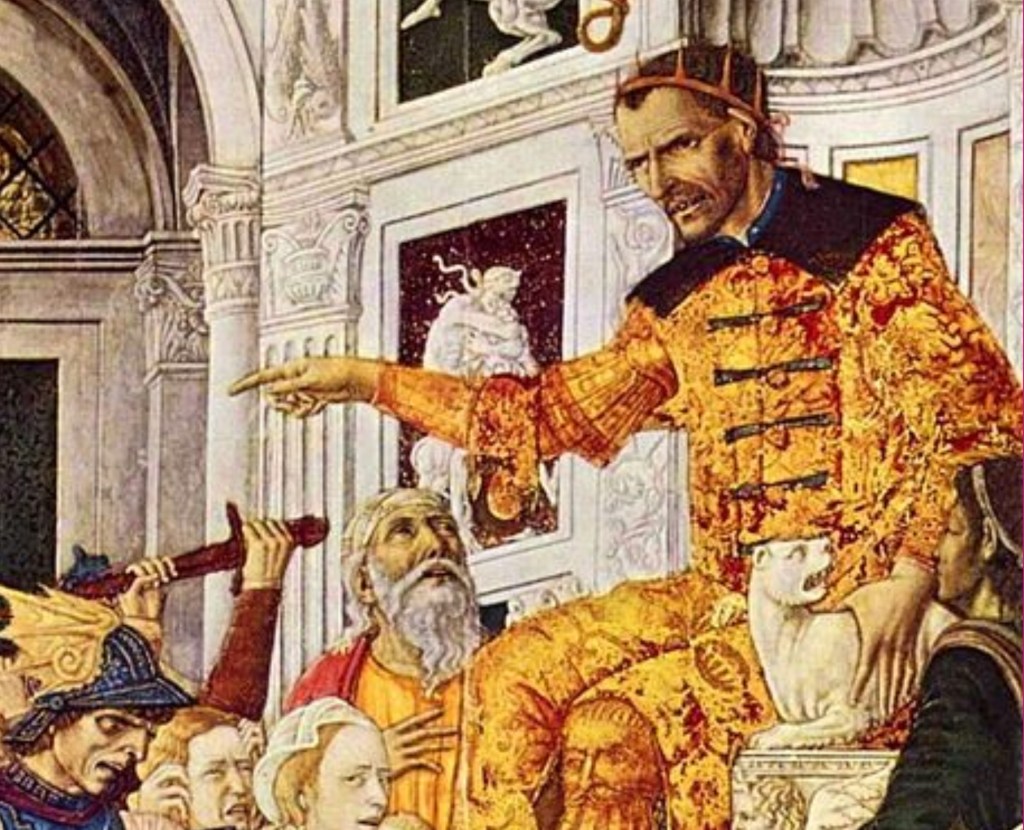
Available now for Channel MembersMatteo di Giovanne, Massacre of the Innocents (detail) 1488
Chapter 9: The Birth of Christianity
Students registered for the Biblical Jewish history course: please note that the draft text of Chapter 8 (Judea under Rome) is now complete and ready for your comments. The introduction to Chapter 9: The Birth of Christianity is now uploaded and the rest of the chapter will be forthcoming over the next few weeks.
Online Courses
Free Registration for Educators
Are you a teacher? Please click here if you would like to request complimentary registration to any of my online courses.
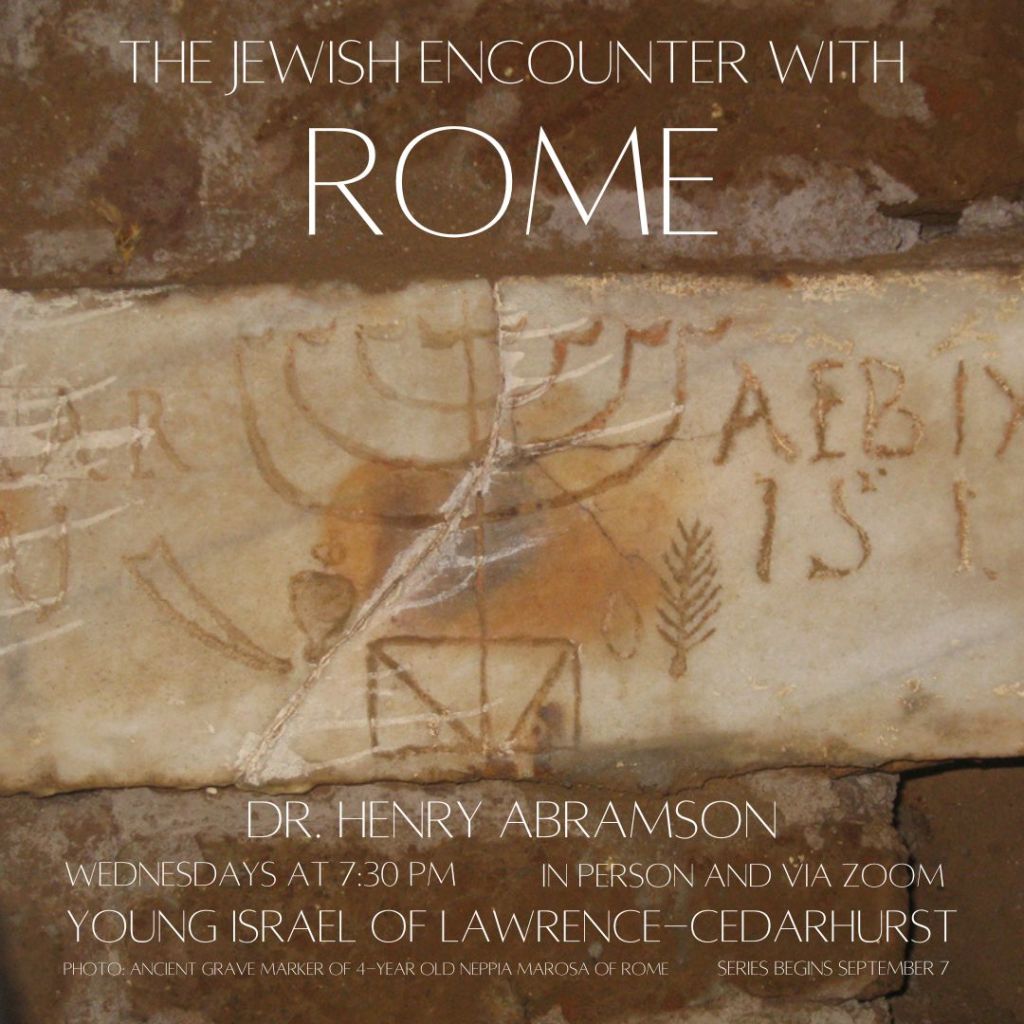
Lectures resume Wednesday, September 7 at 7:30 pm ET, at the Young Israel of Lawrence-Cedarhurst. Free and open to the community. The live Zoom webcast will be available to YILC members and members of my YouTube Channel at the Colleague level (sorry, some of material is a little too challenging for open access to the wider internet–I hope to record briefer, simpler versions for eventual posting).
The Kidnapping of Edgardo Mortara
Premieres at 11am ET
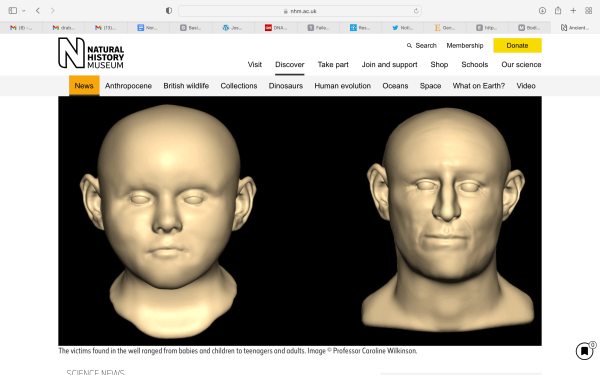
DNA confirms Ashkenazic identity of bodies found at bottom of 12th c. well
Chapter 9: The Birth of Christianity
Students registered for the Biblical Jewish history course: please note that the draft text of Chapter 8 (Judea under Rome) is now complete and ready for your comments. The introduction to Chapter 9: The Birth of Christianity is now uploaded and the rest of the chapter will be forthcoming over the next few weeks.
Online Courses
Free Registration for Educators
Are you a teacher? Please click here if you would like to request complimentary registration to any of my online courses.
My father believed in the power of personal transformation. I wrote this book in his memory.
My Father: A Tribute
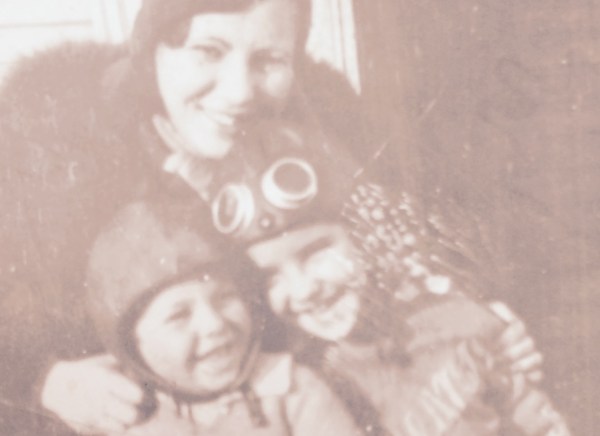
My father, Jack David Abramson of blessed memory, was a man of compassion and integrity. Born in 1928 to Jewish immigrants from Lithuania, he lived his entire life in the small milling community of Ansonville, Ontario (later absorbed into neighboring Iroquois Falls). He was the youngest son of seven siblings, all of whom moved south to pursue careers and build families in Montreal and Toronto. My father chose to stay behind and care for his parents. He eventually took over the family business, a store called Alex Abramson & Son’s Men’s Wear: with characteristic humility, preferred to remain the anonymous “son.” He met my mother at his sister’s wedding in Montreal and married her in 1961. I was born two years later, their only child.
My father deeply believed in giving people second chances. He, along with my mother, had a gift for seeing the best in others, and he always extended himself to help people who were downtrodden or ostracized. He frequently employed young men with juvenile criminal pasts, unmarried mothers shunned by small-town conservatism, and extended informal credit liberally to the unemployed. He owned a few rental properties in town, and often charged rents that did not cover the mortgage, utilities and tax payments. In some cases he didn’t charge rent at all. My father’s business acumen was overwhelmed by his instinct to help anyone in need, and my family lived simply and frugally in a small apartment above the men’s wear store.
My father taught me to ski, and I met my wife, a ski instructor. My father taught me to read, and I became a professor, then a dean. Sometimes when I speak I hear my father’s voice, and it surprises me.
My father never had the benefit of a Jewish education, but he and my mother endured phenomenal self-sacrifice to give me one. Years later, when he was a grandfather many times over, we shared a late night conversation sitting in my minivan parked outside the house. He expressed to me the depth of his personal connection with God. It was awesome in the true sense of the word, and strengthens my own faith to this day.
My father was, fundamentally, an optimist. His business decisions were often fueled by a deep-seated sense that patience and persistence would always win in the end—with some belt-tightening austerity, everything would ultimately be alright. It didn’t always turn out that way, but he remained indefatigably independent-minded. My mother supported his decisions absolutely. On the rare occasions when she disagreed with any of his choices, he was quick to comply. Earning my mother’s love was his most cherished achievement; to the end of his life I believe he retained a sense of wonder that he merited such a devoted wife.
My father was sparing in his praise for his only son, always concerned that he might somehow spoil me. On the contrary, he taught me to celebrate my failures, probing them for whatever lessons I might glean from disappointment. His love was often expressed in unexpected acts of generosity—surprising me with a pair of Rossignol ST Competition skis when my wooden Fischers broke, sending me on a school trip to England as a teenager, helping with the down payment on our house. I know those kinds of things were financially onerous at the time, but my father made them happen. As a father myself, I know how hard it can be to provide for children, and I also know why he did it for me.
I miss you, Dad. I wish I could talk to you sometime. This book is for you. I hope you like it.
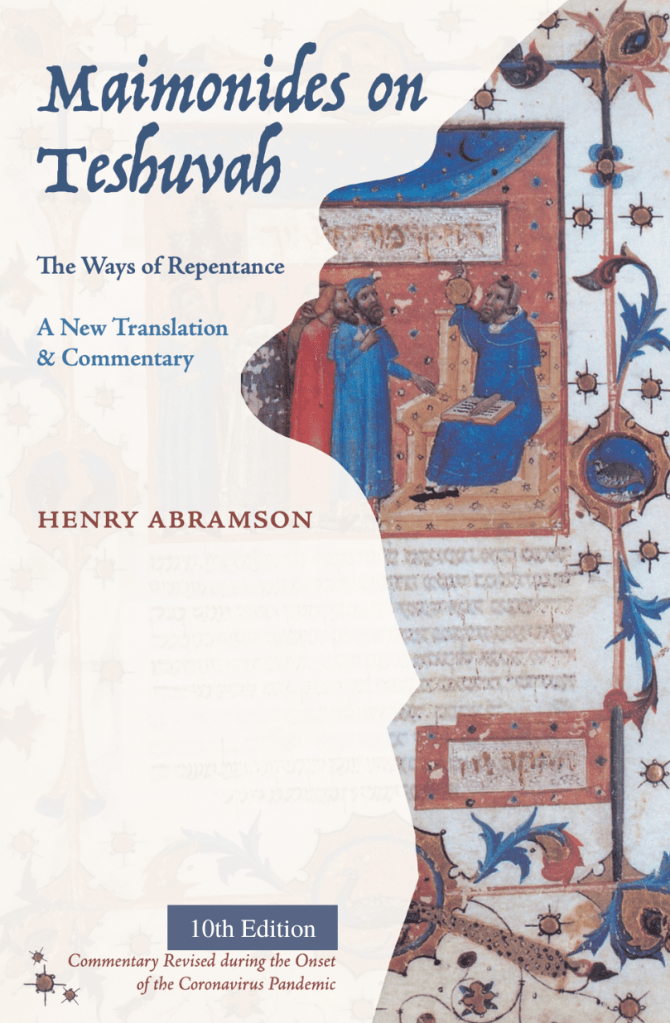
Excerpted from Maimonides on Teshuvah: The Ways of Repentance







 Henry Abramson