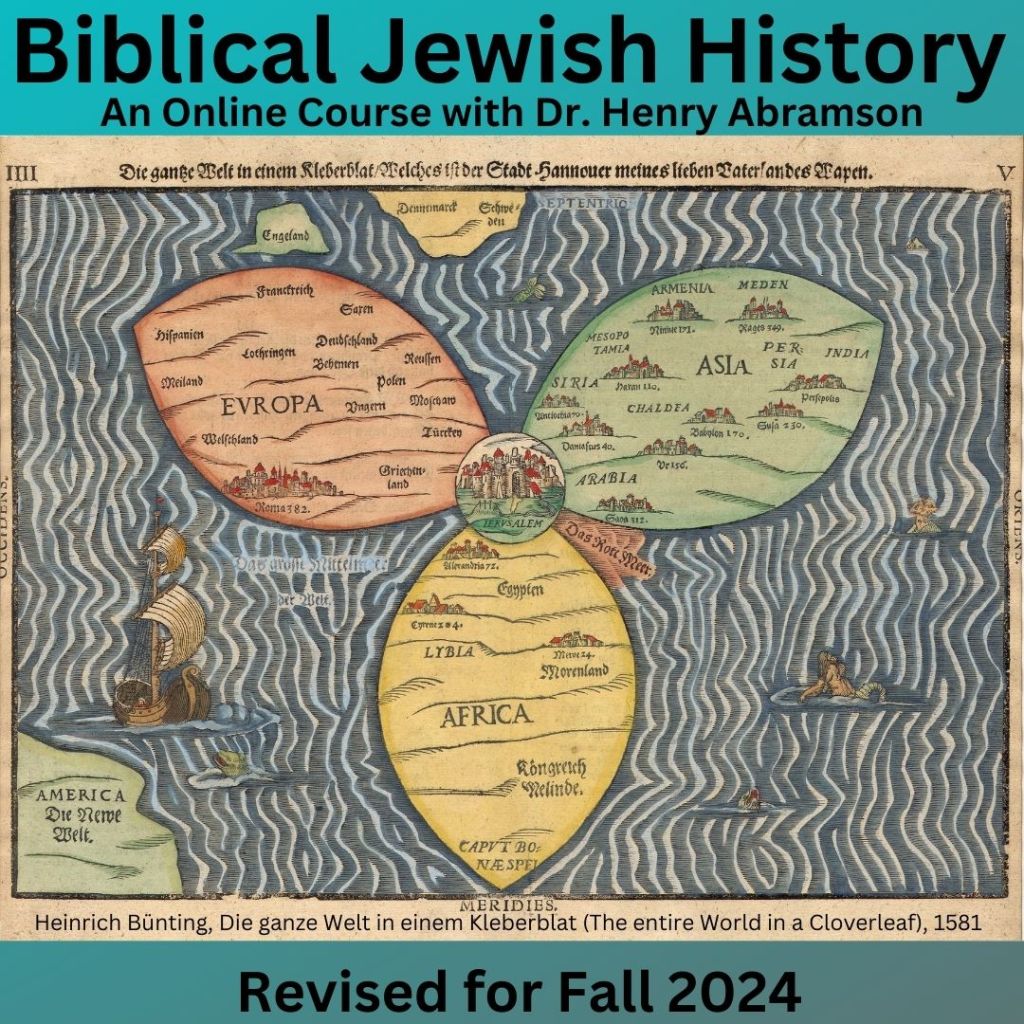
Shabbat in Rosyln, NY; Hello from Jerusalem;

Really looking forward to meeting this community!
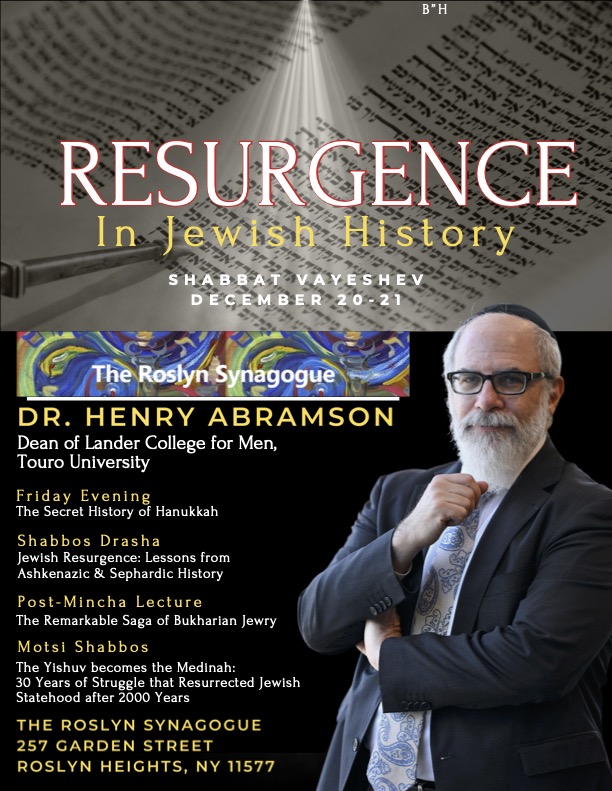
Message recorded from Jerusalem last week
Medieval Antisemitism and the Spanish Inquisition
Invitation to LCM Breakfast; Caribbean Jews and the History of Chocolate; Spanish Disputations and the Pogroms of 1391
Please join me at our First Annual Breakfast!
Jews and Chocolate! Who knew?
Disputations and the Pogroms of 1391
The Jews of Bukhara (Sunday in Denver); the Maimonidean Controversy; Save the Date for Roslyn NY

Really looking forward to speaking to the Or Avner community in Aurora, CO!

The Maimonidean Controversy
Save the Date: Shabbaton in Roslyn NY, December 20-21
-
Rembrandt and the Jews (This Week in Jewish History)
Rembrandt is well-known for his depictions of Jewish subjects, both as contemporary portraits and as models for Christian biblical characters.
-

Who Was Josephus? Fall 2013 Lecture Series in Jewish History Resumes This Week
Photo: Aryeh Abramson looks out over Iroquois Falls, Ontario, Canada, where he spent the Sukkot vacation visiting his grandparents. Captured by the Roman General (and later Emperor) Vespasian while defending the Galilee, Josephus ultimately turned against his coreligionists and served as an advisor to the forces besieging Jerusalem during the first Roman-Jewish War. His first-hand…
-

Free Download of Maimonides on Teshuvah by Dr. Henry Abramson
Moses Maimonides (1135-1204) was one of the greatest minds the Jewish people ever produced: philosopher, jurist, physician, and an extremely prolific writer who left us classics like The Guide for the Perplexed and the Mishneh Torah. For several years I have been in the habit of reviewing his Laws of Repentance in the weeks leading up to the…
-

Pope Gregory I and the Jews (This Week in Jewish History) Dr. Henry Abramson
Pope Gregory I (“the Great”) was one of the most influential Church leaders of the medieval period. His policy on the treatment of Jews in Christian Europe, known by the Latin phrase “Sicut Judaeis,” instituted an official if ambivalent position that lasted from the sixth century to the beginnings of the modern era.
-
Jewish Children Forced Into the Tsar’s Army (This Week in Jewish History)
Reeling from the humiliating defeat of the Crimean War, the Russian Empire decides its policy of forcibly conscripting Jewish boys into military service is counterproductive, and finally abandons the cruel decades-old policy of taking underage children into thirty-one years of military training and service.
-
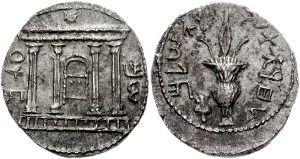
The Fox in the Ruins: The Roman-Jewish Wars (HIS 155 Lecture 1.3)
To view the Prezi associated with this lecture, please click here. Excerpt from “The Jewish Diaspora: A Brief History” Henry Abramson 3. The Roman-Jewish Wars Our sources for the Roman-Jewish wars of the first and second centuries are more substantial than those of earlier periods, primarily because the importance of developments in this tiny…
-
Judaism and the Origins of Christianity HIS 155 Lecture 1.4
Born in turbulent times, Christianity emerged from its intensely Jewish roots to become the official religion of the Roman Empire within a remarkably brief period of time. As a daughter religion to Judaism, however, dissent between the two faiths slowly dominated the discourse as Christianity became less of a Jewish movement, and more of a…
-

Jews, Lepers and the Black Death (This Week in Jewish History)
The summer of 1321 was plagued with rumors that Jews had entered into a conspiracy with lepers (some versions also included Muslims) to poison the wells of Europe, resulting in mass hysteria and mob violence. King Philip V was eventually able to quell the movement, but it resurfaced twenty years later in a much more…
-

Nathan the Wise by Gotthold Ephraim Lessing (This Week in Jewish History)
In August of 1778, the non-Jewish writer Gotthold Ephraim Lessing wrote to his brother of a new literary project designed to further tolerance of Jews in German society. The result was Nathan the Wise, a sensation that was initially banned by the Church and heavily criticized by antisemites of the day.
-
-
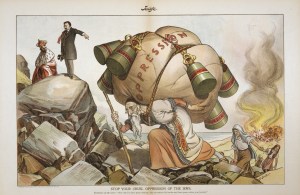
The Pale of Settlement (This Week in Jewish History)
Officially banned in 1479, no Jews lived in the Russian Empire until Tsarina Catherine II conquered a major portion of Polish territory, instantly inheriting the largest single concentration of Jews in the world. Under her rule the Pale of Settlement was established, determining the region where Jews were allowed to reside, however tenuously, until the…
-

Two Jews, Three Opinions: Jews and Judaism in the Year Zero (HIS 155 Lecture 1.2)
To view the Prezi associated with this lecture, please click here. Excerpt from “The Jewish Diaspora: A Brief History” Henry Abramson 2. Jews and Judaism in the Year Zero Two Jews, three opinions. The year zero was not nearly as auspicious or significant for Jews as it would later be for Christians. Jews observe a…


The Jews of Bukhara (Denver, CO); The Jews of the Lesser Antilles; Varieties of Crypto-Jewish Identity; Wait, Alexander Hamilton was Jewish?
Looking forward to a wonderful Shabbat in the Denver Jewish community!
Our Itinerary of Discovery in the Western Caribbean
Channel Members
Premiering at 10am ET
-

MIAMI Students! Last chance for me to teach a Melton class in Florida.
Hello everyone! I’m excited and challenged to be taking a new position in New York this summer, but I’ll be very sorry to leave this community that has been my home for almost twenty years. One of the last rituals of departure will be a last series of classes for the Florence Melton School for…
-

Who was Gluckel of Hameln? Jewish Biography as History by Dr. Henry Abramson
Gluckel of Hameln, a Jewish woman who lived in late 17th-century Germany, left a remarkable memoir describing her life. Part of the Jewish Biography as History series by Dr. Henry Abramson, more available at http://www.henryabramson.com.
-

What is Yud Shvat? This Week in Jewish History
Yud Shvat, the tenth day of the Hebrew month of Shvat, is an auspicious date for Chabad Hasidm, commemorating the passing of the 6th Rebbe in 1950 and the ascension to leadership of the 7th Rabbe, Rabbi Menachem Mendel Schneerson, one year later on January 17, 1951.
-

Jewish History in the Sixteenth Century (Essential Lectures in Jewish History)
The Jewish people experienced dramatic changes in the sixteenth century that reverberate to this day. This lecture discusses three aspects of this century in particular: 1) the demographic upheavals associated with the expulsions from Spain and Portugal as well as the Ashkenazic migration, 2) the impact of the disruptive technology of printing, and 3) the…
-
Who Was Rabbi Shlomo Alkabets? Jewish Biography as History by Dr. Henry Abramson
Famed author of the Lecha Dodi hymn sung on the eve of the Jewish sabbath, Rabbi Alkabets was one of the founding members of the 16th-century school of Kabbalists based in Safed (Tsfat), Israel. Next week’s lecture: Gluckel of Hameln! Love Yiddish culture? Check out the new poster for the 2015 Kultur Festival in Boca…
-

Who Were the Soncinos? Jews and the Gutenberg Revolution(s)
Early adopters of the newest disruptive technology, the Soncino family were the first Jewish printers in 15th century Europe. This lecture discusses some aspects of the early decades of Jewish printing, and meditates on the meaning of the current digital revolution for Jewish culture and society. Planning to attend Limmud Miami this year? I would…
-
-

Who Was the Rashba? Jewish Biography as History by Dr. Henry Abramson
Rabbi Shlomo ben Adret, known to his student by the acronym of his name Rashba, was one of the most brilliant Talmudists of medieval Spain. Student of Nachmanides (Ramban) and teacher to the Ritva, his writings are studied to the present day. Here’s Dr. Abramson in print (because there are times and places where one…
-

Thanks for not asking too many hard questions! Henry Abramson’s 2014 Lectures in Review
The WordPress.com stats helper monkeys prepared a 2014 annual report for this blog. Here’s an excerpt: The concert hall at the Sydney Opera House holds 2,700 people. This blog was viewed about 31,000 times in 2014. If it were a concert at Sydney Opera House, it would take about 11 sold-out performances for that many…
-

The Septuagint (This Week in Jewish History) Dr. Henry Abramson
The Septuagint, an ancient translation of the Torah into Koine Greek, had a tremendous impact on the later Christian understanding of Jewish theology.
-

Who Was Qasmunah? Jewish Biography as History
Preserved in a medieval anthology of women poets, Qasmunah’s unique voice stands out as one of the few surviving voices of the Jewish Golden Age in Spain. Recent Publications by Dr. Abramson (better in print than on video anyway):
-

What is Chanukah, and How Do You Spell it? This Week in Jewish History
What, exactly is Chanukah (or is it Hanukah, or Hannukkah)? This short video describes the historical origins of the holiday, notes the ironic nature of its observance in the American context, and has a couple of jokes besides. Suggested Holiday Gifts (Maybe for people you don’t especially like). Many titles available…
Visits to Synagogues in Bordeaux and Libourne (France); Another Open Letter to Jewish Participants in anti-Israel Protests re: Amsterdam; Conference Presentation on Sheptytsky and WW II
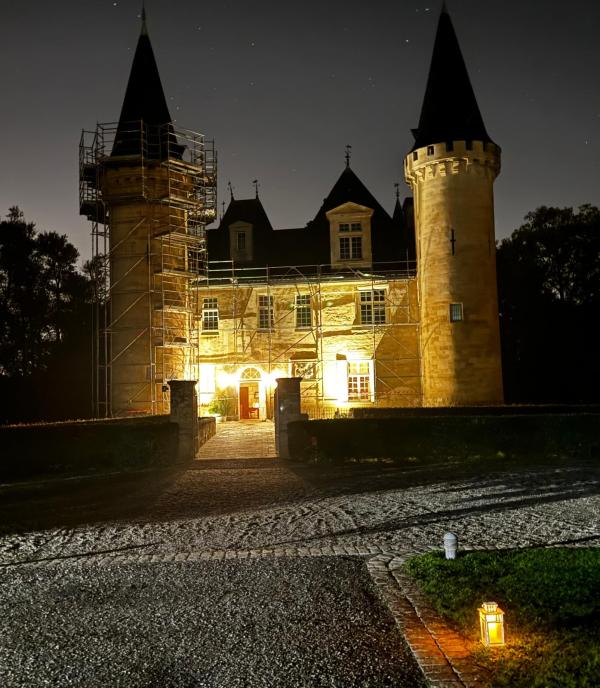
Fantastic Voyage of Discovery with Kosher River Cruises
A Difficult Conversation
Recent Conference Presentation in Toronto
Wait, Christopher Columbus was Jewish? Documentary on Roman-Jewish War now Online

Surprised how much attention this got.
Herod’s Tragic Reign
The Fatal Conflict
How Jewish Culture will Thrive after October 7; The Jews of Al-Andalus Part II
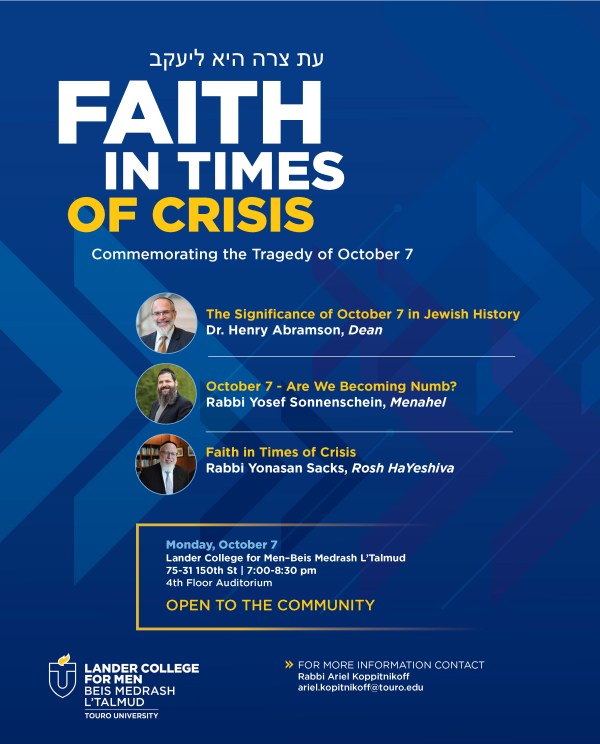
Remarks at Lander College for Men
Maimonides and the Controversy over His Work
Jewish Resilience After October 7; American Jews, Post-Honeymoon; The Jews of Al-Andalus

Three Strategies


Jews under the Visigoths II; The Spanish Golden Age

Public at 10am ET (44 minutes)
Online Courses in Jewish History