The Rebbe’s Work in Amazon’s Top 100!


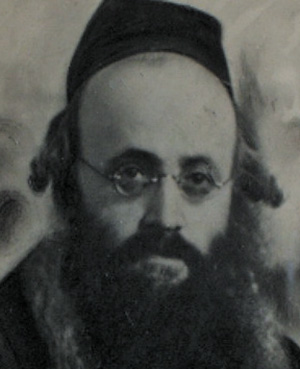
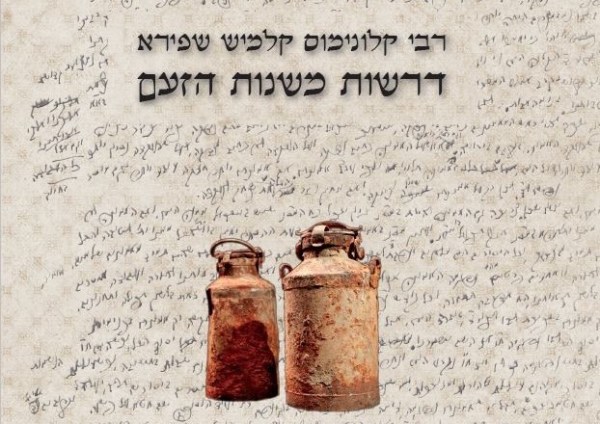
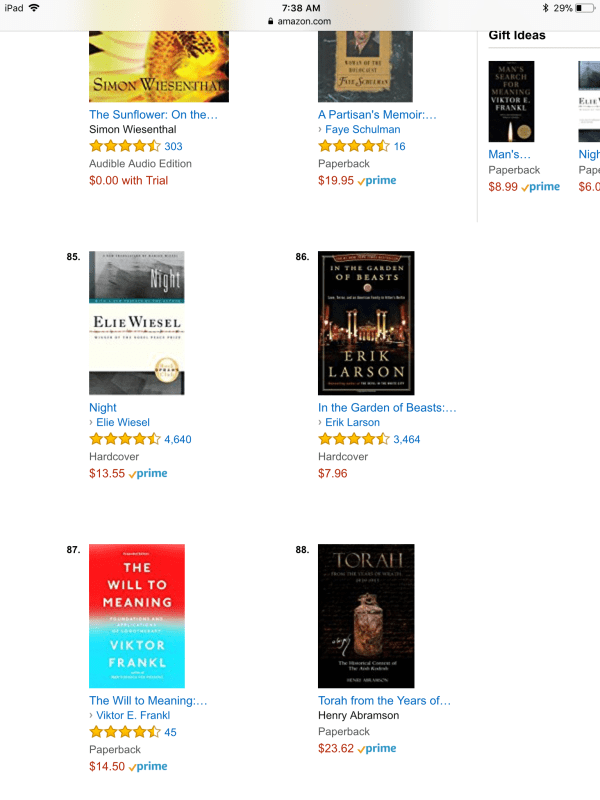
Wow—I checked the site this morning, and discovered that the book on the Piaseczno Rebbe made it to the top 100 in its category on Amazon! Just behind classics by Elie Wiesel, Viktor Frankl, and Simon Wiesenthal! Really proud that people are finding this book meaningful. Thank you! Bit.ly\aishkodesh

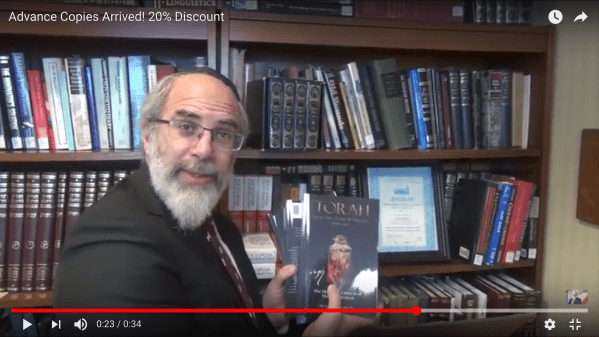
Advance Copies Arrived!

Woo-hoo! Visit bit.ly/aishkodesh or click here for the 20% discount, or to RSVP for the book launch on the 30th (free and open to the community!)

Advance Copies Now Available (20% Discount)

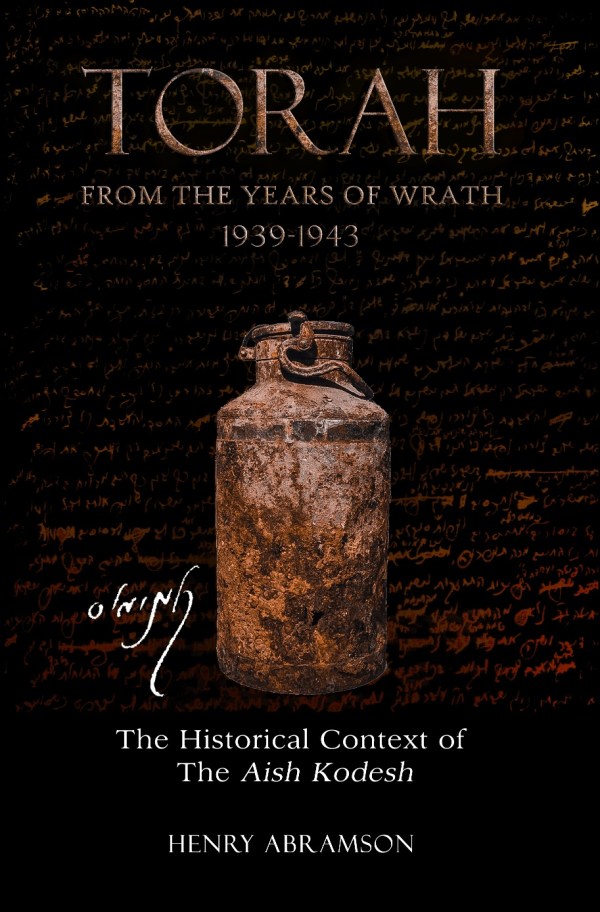
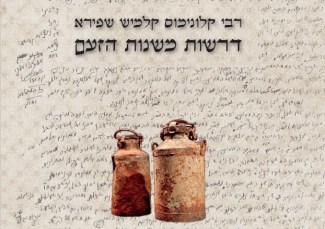
Torah from the Years of Wrath Final Cover- finalI am delighted to inform you that advance copies of my new book are now available from Amazon (this is really advance–I won’t even get my own copy until next week!). I hope to have sufficient copies available for sale and signature at the Book Launch on October 30, but if you want to have a copy in hand so you can ask hard questions, please take advantage of the 20% discount for these advance copies.

Please click here to order from Amazon (fastest shipping).

Please click here and use the secret discount code YC62KRKW for 20% off.

Please click here to RSVP for the Book Launch on October 30.

Wishing you all a great New Year and a wonderful Sukkot,

HMA

Who Was Shmuel Ha-Nagid?

Brief lecture on the life and work of Shmuel ha-Nagid, an important 11th century Spanish Jewish leader.

Also: please join me for the launch of my new book, Torah from the Years of Wrath 1939-1943: The Historical Context of the Aish Kodesh (click here for more information). The launch is scheduled for Monday, October 30 at 7:00 pm in the Main Auditorium of Touro College, 1602 Avenue J, Brooklyn NY.  Event is free and open to the community. Copies of the book will be available for sale. Please click here to RSVP.

Who Was Hasdai ibn Shaprut?

Brief lecture on the life of Hasdai ibn Shaprut, an important 10th century Jewish leader in Andalusia, who set the foundations for the Golden Age of Spanish Jewry. Part of the Jews of Sepharad series, visit jewishhistorylectures.org for more information.


Sephardic Jewry and the Islamic Conquest of 711

Brief overview of the Jews in Spain during the two centuries following the Muslim conquest of 711.

Sephardic Jewry and the Muslim Conquest of 711


September 18:

SEPHARDIC JEWRY

AND THE MUSLIM CONQUEST OF 711

Sponsored by Katherine and Vick Crespin, in gratitude to Hashem for protecting their family from harm during Hurricane Irma.

Monday, September 18 @ 7pm at the Mighty Avenue J Campus of Touro College

1602 Avenue J Brooklyn NY 11230

Free and Open to the Community

Please click here to Sponsor a Lecture or contact us at (718) 535-9333

Click here for the complete Fall 2017 Schedule of Lectures

The Ancient Origins of Sephardic Jewry

A brief overview of the earliest history of Sephardic Jewry, from earliest settlement through the Visigothic period to the Muslim conquest of 711.

For the Fall Schedule of Lectures, please click here. To sponsor a lecture, please click here.

Day 20: Corrosive Habits

Day 20:Corrosive Habits

Sunday, September 10, 2017 English Translation Follows

י״ט אלול

4.4

וּמֵהֶן חֲמִשָּׁה דְּבָרִים הָעוֹשֶׂה אוֹתָן אֵין חֶזְקָתוֹ לָשׁוּב מֵהֶן, לְפִי שְׁהֶן דְּבָרִים קַלִּים בְּעֵינֵי רֹב הָאָדָם, וְנִמְצָא חוֹטֶא וְהוּא יְדַמֶּה שְׁאֵין זֶה חֵטְא; וְאֵלּוּ הֶן: (א) הָאוֹכֵל מִסְּעוֹדָה שְׁאֵינָהּ מַסְפֶּקֶת לִבְעָלֶיהָ–שֶׁזֶּה אֲבַק גָּזֵל, וְהוּא מְדַמֶּה שֶׁלֹּא חָטָא וְיֹאמַר כְּלוּם אָכַלְתִּי אֵלָא בִּרְשׁוּתָן. (ב) וְהַמִּשְׁתַּמֵּשׁ בַּעֲבוֹטוֹ שֶׁלֶּעָנִי–שֶׁהַעֲבוֹט שֶׁלֶּעָנִי אֵינוּ אֵלָא כְּגוֹן קֻרְדֹּם וּמַחְרֵשָׁה, וְיֹאמַר בְּלִבּוֹ אֵינָן חֲסֵרִים, וַהֲרֵי לֹא גָזַלְתִּי אוֹתוֹ. (ג) וְהַמִּסְתַּכֵּל בָּעֲרָיוֹת–מַעֲלֶה עַל דַּעְתּוֹ שְׁאֵין בְּכָּךְ כְּלוּם, שְׁהוּא אוֹמֵר וְכִי בָּעַלְתִּי אוֹ קָרַבְתִּי; וְהוּא אֵינוּ יוֹדֵעַ שֶׁרְאִיַּת הָעֵינַיִם עָווֹן גָּדוֹל, שְׁהִיא גּוֹרֶמֶת לְגוּפָן שֶׁלָּעֲרָיוֹת, שֶׁנֶּאֱמָר “וְלֹא-תָתוּרוּ אַחֲרֵי לְבַבְכֶם” (במדבר טו,לט). (ד) וְהַמִּתְכַּבֵּד בִּקְלוֹן חֲבֵרוֹ–אוֹמֵר בְּלִבּוֹ שְׁאֵינוּ חֵטְא, לְפִי שְׁאֵין חֲבֵרוֹ עוֹמֵד וְלֹא הִגִּיעָה לוֹ בֹּשֶׁת, וְלֹא בִיְּשׁוֹ אֵלָא עָרַךְ מַעֲשָׂיו הַטּוֹבִים וְחָכְמָתוֹ לְמוּל מַעֲשֶׂה חֲבֵרוֹ אוֹ חָכְמָתוֹ, כְּדֵי שֶׁיֵּרָאֶה מִכְּלָלָן שְׁהוּא מְכֻבָּד וַחֲבֵרוֹ בָּזוּי. (ה) וְהַחוֹשֵׁד כְּשֵׁרִים–אוֹמֵר בְּלִבּוֹ שְׁאֵינוּ חֵטְא, לְפִי שְׁהוּא אוֹמֵר מַה עָשִׂיתִי לוֹ, וְכִי יֵשׁ שָׁם אֵלָא חֲשָׁד שֶׁמֶּא עָשָׂה אוֹ לֹא עָשָׂה, וְהוּא אֵינוּ יוֹדֵעַ שֶׁזֶּה עָווֹן שֶׁמֵּשִׂים אָדָם כָּשֵׁר בְּדַעְתּוֹ כְּבַעַל עֲבֵרוֹת.

And there are five things that we assume a person cannot normally rectify through teshuvah, because they are things that most people do not take seriously, and people sin without realizing it. These are they:

1) One who eats as a guest at the table of a host who cannot afford the meal. This is a minor form of theft. The guest feels that it is no sin, saying, “I did not eat anything without the permission of the host.”

2) One who uses the collateral of a poor person, such as a shovel or a plow deposited to secure a loan, saying, “I did not take anything away from the pledge, I did not steal anything at all.”

3) One who ogles a woman, thinking to himself that this means nothing. He says, “did I have relations with this woman, or even draw close to her?” He does not realize that what the eye sees can be a great sin, since it may lead to inappropriate relations, as it is written (Numbers 15:39), do not seek after your heart.

4) One who honors one’s self through the downfall of another, saying that it is no sin because the other person is not present, and will not hear and be embarrassed. Instead, one merely praises one’s own good deeds and intelligence in contrast to the deeds and intelligence of the other person, with the intent that people should notice who deserves honor and who deserves disdain.

5) One who suspects the innocent, saying that this is no sin. “What did I do to him? Did I do anything other than suspect him? Perhaps he did something wrong, perhaps he did not.” One does not realize that it is a great sin to consider a decent person to be a sinner.

Translation from Maimonides on Teshuvah (5th Edition, 2017)

Day 17-18-19: Impediments to Teshuvah

Day 17-18-19: Impediments to Teshuvah

English Translation Follows

4.1

עֶשְׂרִים וְאַרְבָּעָה דְּבָרִים מְעַכְּבִין אֶת הַתְּשׁוּבָה.  אַרְבָּעָה מֵהֶן עָווֹן גָּדוֹל; וְהָעוֹשֶׂה אֶחָד מֵאַרְבַּעְתָּן–אֵין הַקָּדוֹשׁ בָּרוּךְ הוּא מַסְפִּיק בְּיָדוֹ לַעֲשׂוֹת תְּשׁוּבָה, לְפִי גֹּדֶל חֶטְאוֹ.  וְאֵלּוּ הֶן:  (א) הַמַּחְטִיא אֶת הָרַבִּים; וּבִכְלַל עָווֹן זֶה, הַמְּעַכֵּב אֶת הָרַבִּים מִלַּעֲשׂוֹת מִצְוָה.  (ב) וְהַמַּטֶּה חֲבֵרוֹ מִדֶּרֶךְ טוֹבָה לְדֶרֶךְ רָעָה, כְּגוֹן מַסִּית וּמַדִּיחַ.  (ג) וְהָרוֹאֶה בְּנוֹ בְּתַרְבּוּת רָעָה, וְאֵינוּ מְמַחֶה בְּיָדוֹ–הוֹאִיל וּבְנוֹ בִּרְשׁוּתוֹ אִלּוּ מִחָה בּוֹ הָיָה פּוֹרֵשׁ, וְנִמְצָא כְּמַחְטִיא אוֹתוֹ; וּבִכְלַל עָווֹן זֶה כָּל שֶׁאפְשָׁר בְּיָדוֹ לְמַחוֹת בַּאֲחֵרִים בֵּין רַבִּים בֵּין יְחִידִים וְלֹא מִחָה, אֵלָא יַנִּיחַ אוֹתָן בְּכִשְׁלוֹנָן.  (ד) וְהָאוֹמֵר אֶחֱטָא וְאָשׁוּב; וּבִכְלַל זֶה הָאוֹמֵר אֶחֱטָא, וְיוֹם הַכִּפּוּרִים מְכַפֵּר.

4.1 There are twenty-four things that impede teshuvah. Four of them are serious sins, and God does not allow the one who commits them to do teshuvah because of their severity. These are they:

1) One who causes many to sin, and this category includes one who prevents others from doing good.

2) One who tempts another away from the good path; for example, one who incites or instigates.

3) One who sees his child moving in a bad direction and does not rebuke him. Since his child is under his authority, if he were to rebuke him, the child would in turn reform himself, and therefore it is as if the parent caused the child to sin. Also included in this category is one who has it within his power to rebuke others, whether individuals or many people, and fails to rebuke them, rather leaving them to the consequences.

4) One who says, “I will sin and I will repent,” and included in this category is one who says, “I will sin, and Yom Kippur will provide atonement.”

4.2

וּמֵהֶן חֲמִשָּׁה דְּבָרִים הֶן נוֹעֲלִין דַּרְכֵי הַתְּשׁוּבָה בִּפְנֵי עוֹשֵׂיהֶן; וְאֵלּוּ הֶן:  (א) הַפּוֹרֵשׁ מִן הַצִּבּוּר–לְפִי שֶׁבִּזְמָן שֶׁיַּעֲשׂוּ תְּשׁוּבָה, לֹא יִהְיֶה עִמָּהֶן וְאֵינוּ זוֹכֶה עִמָּהֶן בַּזָּכויּוֹת שֶׁעוֹשִׂין.  (ב) וְהַחוֹלֵק עַל דִּבְרֵי חֲכָמִים–לְפִי שֶׁמַּחְלֻקְתּוֹ גּוֹרֶמֶת לוֹ לִפְרֹשׁ מֵהֶן, וְאֵינוּ יוֹדֵעַ דַּרְכֵי הַתְּשׁוּבָה.  (ג) וְהַמַּלְעִיג עַל הַמִּצְווֹת–שֶׁכֵּיוָן שֶׁנִּתְבַּזּוּ בְּעֵינָיו, אֵינוּ רוֹדֵף אַחֲרֵיהֶן וְלֹא עוֹשָׂן; וְאִם לֹא יַעֲשֶׂה, בְּמַה יִזְכֶּה.  (ד) וְהַמְּבַזֶּה רבּוֹתָיו–שֶׁדָּבָר זֶה גּוֹרֵם לָהֶן לְדָחְפוֹ וּלְטָרְדוֹ כְּיֵשׁוּעַ וּכְגֵיחֲזִי, וּבִזְמָן שֶׁנִּטְרָד לֹא יִמְצָא מְלַמֵּד וּמוֹרֶה לוֹ דֶּרֶךְ הָאֱמֶת.  (ה) וְהַשּׂוֹנֵא אֶת הַתּוֹכָחוֹת–שֶׁהֲרֵי לֹא הִנִּיחַ לוֹ דֶּרֶךְ תְּשׁוּבָה, שֶׁהַתּוֹכָחָה גּוֹרֶמֶת לִתְשׁוּבָה, שֶׁבִּזְמָן שֶׁמּוֹדִיעִין לוֹ לָאָדָם חֲטָאָיו וּמַכְלִימִין אוֹתוֹ, חוֹזֵר בִּתְשׁוּבָה כְּמוֹ שֶׁכָּתוּב בַּתּוֹרָה:  “זְכֹר, אַל-תִּשְׁכַּח” (דברים ט,ז), “מַמְרִים הֱיִיתֶם” (דברים ט,ז), “וְלֹא-נָתַן ה’ לָכֶם לֵב וכו'” (דברים כט,ג), “עַם נָבָל, וְלֹא חָכָם” (דברים לב,ו).  וְכֵן יְשַׁעְיָהוּ הוֹכִיחַ אֶת יִשְׂרָאֵל וְאָמַר “הוֹי גּוֹי חֹטֵא” (ישעיהו א,ד), “יָדַע שׁוֹר קֹנֵהוּ וכו'” (ישעיהו א,ג), “מִדַּעְתִּי, כִּי קָשֶׁה אָתָּה” (ישעיהו מח,ד); וְכֵן צִוָּהוּ הָאֵ-ל לְהוֹכִיחַ לַחַטָּאִים, שֶׁנֶּאֱמָר “קְרָא בְגָרוֹן אַל-תַּחְשֹׂךְ” (ישעיהו נח,א).  וְכֵן כָּל הַנְּבִיאִים הוֹכִיחוּ לְיִשְׂרָאֵל, עַד שֶׁחָזְרוּ בִּתְשׁוּבָה.  לְפִיכָּךְ צָרִיךְ לְהַעְמִיד בְּכָל קָהָל וְקָהָל מִיִּשְׂרָאֵל חָכָם גָּדוֹל וְזָקֵן וִירֵא שָׁמַיִם מִנְּעוּרָיו וְאָהוּב לָהֶם, שֶׁיְּהֶא מוֹכִיחַ לָרַבִּים וּמַחְזִירָן בִּתְשׁוּבָה.  וְזֶה שֶׁשּׂוֹנֵא אֶת הַתּוֹכָחוֹת, אֵינוּ בָּא לַמּוֹכִיחַ וְלֹא שׁוֹמֵעַ דְּבָרָיו; לְפִיכָּךְ יַעֲמֹד בְּחַטֹּאותָיו, שְׁהֶן בְּעֵינָיו טוֹבִים.

And among them are five things that close the doors to the ways of teshuvah, and these are they:

1) One who separates from the community, for at the time that they repent, he will not be among them and will not receive merit along with them.

2) One who quarrels with the words of the wise, for his dispute will cause him to separate from them, and he will not know the ways of return.

3) One who ridicules the commandments. Since they are insignificant in his eyes, he will not seek to fulfill them, and if he does not fulfill them, what will be his merit?

4) One who demeans his teachers, for this causes them to push him off and distance him as Jesus and Gehazi. When he is ostracized he will not find a teacher to show him the true path.

5) One who hates rebuke, for he does not allow himself a way to do teshuvah. Rebuke is a cause for teshuvah, for when a person is informed of his misdeeds, and feels ashamed, he will repent, as it is written in the Torah (Deuteronomy 9:7), remember, and do not forget…you were rebellious, and God did not give you a heart (2:6) a foolish, unwise people. Similarly, Isaiah rebuked the Jewish people, saying (Isaiah 1:4) O sinful people (1:3) the ox knows is master (48:4) I know that you are difficult. God commanded him to rebuke those who transgress, as it is written (58:1), call out from your throat, do not hold back. Thus did all the prophets rebuke the Jewish people so that they would return in teshuvah. Therefore every single Jewish community must appoint a great sage, elderly and God-fearing from his youth, well-loved by the people, who will rebuke the community and cause them to return in teshuvah. One who hates rebuke will not participate in this rebuke, will not hear his words, and therefore will remain in his sin, considering his behavior good.

4.3

וּמֵהֶן חֲמִשָּׁה דְּבָרִים הָעוֹשֶׂה אוֹתָן אי אִפְשָׁר לוֹ שֶׁיָּשׁוּב תְּשׁוּבָה גְּמוּרָה, לְפִי שְׁהֶן עֲווֹנוֹת שֶׁבֵּין אָדָם לַחֲבֵרוֹ, וְאֵינוּ יוֹדֵעַ חֲבֵרוֹ שֶׁחָטָא לוֹ, כְּדֵי שֶׁיַּחְזִיר לוֹ אוֹ יִשְׁאַל מִמֶּנּוּ לִמְחֹל לוֹ; וְאֵלּוּ הֶן:  (א) הַמְּקַלֵּל אֶת הָרַבִּים–לֹא קִלַּל אָדָם יָדוּעַ, כְּדֵי שֶׁיִּשְׁאַל מִמֶּנּוּ כַּפָּרָה.  (ב) וְהַחוֹלֵק עִם גַּנָּב–לְפִי שְׁאֵינוּ יוֹדֵעַ גְּנֵבָה זוֹ שֶׁלְּמִי הִיא, אֵלָא הַגַּנָּב גּוֹנֵב רַבִּים וּמֵבִיא לוֹ וְהוּא לוֹקֵחַ; וְעוֹד שְׁהוּא מְחַזֵּק יַד הַגַּנָּב, וּמַחְטִיא אוֹתוֹ.  (ג) וְהַמּוֹצֶא אֲבֵדָה וְאֵינוּ מַכְרִיז עָלֶיהָ עַד שֶׁיַּחְזִירָהּ לִבְעָלֶיהָ–לְאַחַר זְמָן, כְּשֶׁיַּעֲשֶׂה תְּשׁוּבָה אֵינוּ יוֹדֵעַ לְמִי יַחְזִיר.  (ד) וְהָאוֹכֵל שֹׁר עֲנִיִּים וִיתוֹמִים וְאַלְמָנוֹת–אֵלּוּ בְּנֵי אָדָם אֲמֵלָלִין הֶן וְאֵינָן יְדוּעִים וּמְפֻרְסָמִים, וְגוֹלִים מֵעִיר לְעִיר, וְאֵין לָהֶם מַכִּיר, כְּדֵי שֶׁיֵּדַע שֹׁר זֶה שֶׁלְּמִי הוּא וְיַחְזִירֶנּוּ לוֹ.  (ה) וְהַמְּקַבֵּל שֹׁחַד לְהַטּוֹת דִּין–אֵינוּ יוֹדֵעַ עַד הֵיכָן הִגִּיעָה הַטָּיָה זוֹ וְכַמָּה הוּא כּוֹחָהּ כְּדֵי שֶׁיַּחְזִיר, שֶׁהַדָּבָר יֵשׁ לוֹ רַגְלַיִם; וְעוֹד שְׁהוּא מְחַזֵּק יַד זֶה, וּמַחְטִיא אוֹתוֹ.

There are five things that prevent a person from complete teshuvah, since they are sins between one person and another, and one cannot know whom he has harmed such that he might repay him for his loss, or beg forgiveness. These are they:

1) One who curses a large number of people, without specifying a particular individual, such that he might later beg his forgiveness.

2) One who shares stolen property with a thief. Since he does not know the origin of the stolen property [to return it], as the thief sold him property taken from many people. Furthermore, he supports the thief and his sinful behavior.

3) One who finds lost property and does not announce it, so that the property may be returned to its owner. He may later do teshuvah, but he will not know who should receive the lost object.

4) One who consumes extorted property owned by the poor, orphans and widows. These are downtrodden people, they are not well known, and they wander from city to city, and there is no one who will say, “whose property is this?” such that it will be returned.

5) One who accepts a bribe to pervert justice. He does not know how far the implications of this judgment will reach, nor the extent of its impact, such that he might rectify it, for there was some basis for the judgment. He also supports the person who offered the bribe.

Translation from Maimonides on Teshuvah (5th edition, 2017)

Image: The Invisible World, by Rene Magritte

Create a website or blog at WordPress.com

Up ↑