Day 6: The Paths to Teshuvah

Day 6

Sunday August 27, 2017

Elul 5, 5777

(English Translation follows)

2.4

מִדַּרְכֵי הַתְּשׁוּבָה לִהְיוֹת הַשָּׁב צוֹעֵק תָּמִיד לִפְנֵי ה’, בִּבְכִי וּבְתַחֲנוּנִים, וְעוֹשֶׂה צְדָקָה כְּפִי כּוֹחוֹ, וּמִתְרַחֵק הַרְבֵּה מִן הַדָּבָר שֶׁחָטָא בּוֹ.  וּמְשַׁנֶּה שְׁמוֹ, כְּלוֹמַר שֶׁאֲנִי אַחֵר וְאֵינִי אוֹתוֹ הָאִישׁ שֶׁעָשָׂה אוֹתָן הַמַּעֲשִׂים; וּמְשַׁנֶּה מַעֲשָׂיו כֻּלָּן לְטוֹבָה, וּלְדֶרֶךְ יְשָׁרָה.  וְגוֹלֶה מִמְּקוֹמוֹ–שֶׁגָּלוּת מְכַפֶּרֶת עָווֹן, מִפְּנֵי שֶׁגּוֹרֶמֶת לוֹ לְהִכָּנַע וְלִהְיוֹת עָנָו וּשְׁפַל רוּחַ.

The paths to teshuvah include the following. The Master of Teshuvah will perpetually cry out to God with tears and petitions. He will give as much to charity as he can afford. He will distance himself from the thing that brought him to sin. He will change his name, as if to say, “I am another person, I am not the person who behaved that way.” He will change his behavior, and put himself entirely on the good and correct path. He will exile himself from his home, for exile atones for sin, since it causes him to be lowly, humble, and of contrite spirit.

2.5

וּשְׁבָח גָּדוֹל לַשָּׁב שֶׁיִּתְוַדֶּה בָּרַבִּים וְיוֹדִיעַ פְּשָׁעָיו לָהֶם, וּמְגַלֶּה עֲבֵרוֹת שֶׁבֵּינוֹ לְבֵין חֲבֵרוֹ לַאֲחֵרִים, וְאוֹמֵר לָהֶם אָמְנָם חָטָאתִי לִפְלוֹנִי וְעָשִׂיתִי לוֹ כָּךְ וְכָּךְ, וַהֲרֵינִי הַיּוֹם שָׁב וְנִחַם.  וְכָל הַמִּתְגָּאֶה וְאֵינוּ מוֹדִיעַ, אֵלָא מְכַסֶּה פְּשָׁעָיו–אֵין תְּשׁוּבָתוֹ גְּמוּרָה, שֶׁנֶּאֱמָר “מְכַסֶּה פְשָׁעָיו, לֹא יַצְלִיחַ” (משלי כח,יג).

בַּמֶּה דְּבָרִים אֲמוּרִים, בַּעֲבֵרוֹת שֶׁבֵּין אָדָם לַחֲבֵרוֹ.  אֲבָל שֶׁבֵּינוֹ לְבֵין הַמָּקוֹם–אֵינוּ צָרִיךְ לְפַרְסַם עַצְמוֹ, וְעַזּוּת פָּנִים הִיא לוֹ אִם גִּלָּם:  אֵלָא שָׁב לִפְנֵי הָאֵל בָּרוּךְ הוּא, וּפוֹרֵט חֲטָאָיו לְפָנָיו, וּמִתְוַדֶּה עֲלֵיהֶן בִּפְנֵי רַבִּים סְתָם.  וְטוֹבָה הִיא לוֹ שֶׁלֹּא נִתְגַּלָּה עֲווֹנוֹ, שֶׁנֶּאֱמָר “אַשְׁרֵי נְשׂוּי-פֶּשַׁע; כְּסוּי חֲטָאָה” (תהילים לב,א).

It is very praiseworthy to confess in public and let one’s sins be known to others, revealing one’s transgressions against other people, saying “I have sinned against this person, committing this act, and today I regret it.” Anyone who is arrogant and will not admit his sin, attempting to hide his transgression, does not perform complete teshuvah, as it is written (Proverbs 28:13), one who hides his transgressions will not succeed.

Under what type of circumstances does this apply? When dealing with transgressions between people.  Transgressions against God, however, should not be made public, and it would be brazen to do so. On the contrary, one must specify one’s sins against God only in private, and use generic language when confessing in public.  It is better for a person not to reveal his sins, as it is written (Psalms 32:1), praiseworthy is the one who bears his transgression, whose sin is hidden.

Translation from Maimonides on Teshuvah (5th Edition, 2017)


Day 4-5: The Ba’al Teshuvah

Day 4-5

Friday, August 25-Shabbos August 26, 2017

Elul 4-5, 5777

(English Translation follows)

2.1

אֵיזוֹ הִיא תְּשׁוּבָה גְּמוּרָה–זֶה שֶׁבָּא לְיָדוֹ דָּבָר שֶׁעָבַר בּוֹ, וְאפְשָׁר בְּיָדוֹ לַעֲשׂוֹת, וּפֵרַשׁ וְלֹא עָשָׂה מִפְּנֵי הַתְּשׁוּבָה, לֹא מִיִּרְאָה וְלֹא מִכִּשְׁלוֹן כּוֹחַ.  כֵּיצַד:  הֲרֵי שֶׁבָּא עַל אִשָּׁה בַּעֲבֵרָה, וּלְאַחַר זְמָן נִתְיַחַד עִמָּהּ וְהוּא עוֹמֵד בְּאַהֲבָתוֹ בָּהּ וּבְכוֹחַ גּוּפוֹ, וּבַמְּדִינָה שֶׁעָבַר בָּהּ, וּפֵרַשׁ וְלֹא עָבַר–זֶה הוּא בַּעַל תְּשׁוּבָה גְּמוּרָה.  הוּא שֶׁשְּׁלֹמֹה אוֹמֵר “וּזְכֹר, אֶת-בּוֹרְאֶיךָ, בִּימֵי, בְּחוּרֹתֶיךָ עד אשר לא יבואו ימי הרעה והגיעו שנים אשר תאמר אין לי בהם חפץ” (קהלת יב,א).

וְאִם לֹא שָׁב אֵלָא בִּימֵי זִקְנוּתוֹ, וּבְעֵת שְׁאי אִפְשָׁר לוֹ לַעֲשׂוֹת מַה שֶׁהָיָה עוֹשֶׂה–אַף עַל פִּי שְׁאֵינָהּ תְּשׁוּבָה מְעֻלָּה, מוֹעֶלֶת הִיא לוֹ וּבַעַל תְּשׁוּבָה הוּא.  אַפִלּוּ עָבַר כָּל יָמָיו, וְעָשָׂה תְּשׁוּבָה בְּיוֹם מִיתָתוֹ וּמֵת בִּתְשׁוּבָתוֹ–כָּל עֲווֹנוֹתָיו נִמְחָלִין:  שֶׁנֶּאֱמָר “עַד אֲשֶׁר לֹא-תֶחְשַׁךְ הַשֶּׁמֶשׁ והאור והירח והכוכבים ושבו העבים אחר הגשם” (קוהלת יב,ב), שְׁהוּא יוֹם הַמִּיתָה–מִכְּלָל שְׁאִם זָכַר בּוֹרְאוֹ וְשָׁב קֹדֶם שֶׁיָּמוּת, נִסְלַח לוֹ.

What is complete teshuvah? When a man finds the opportunity to sin, and he has the power to sin, yet he holds back and does not sin out of teshuvah. He does not refrain from sinning out of fear or out of weakness. For example, a man once had an inappropriate relationship with a particular woman and later finds himself alone with her again. He still desires her, and is physically able to act on this desire, and they are in the same place where they used to meet.  If he holds back and does not sin, he is a complete Master of Teshuvah. This is what Solomon said (Ecclesiastes 12:1), and remember your Creator in the days of your youth, before the onset of the evil days, the arrival of those years when you will say, “I do not find pleasure in them.”

What if he does not repent until his old age, when he is no longer able to do what he used to do?  Even though this is not a high level of teshuvah, he is credited for his effort, and he is a Master of Teshuvah. Even if he sinned all his life, and did teshuvah on the day of his death, dying while in a state of teshuvah, all of his sins are forgiven, as the previously cited verse continues, before the sun darkens, and the light, and the moon, and the stars, and the clouds return after the rain, which is a reference to the day a person dies.  The meaning is that if a person remembers his Creator and repents before he dies, he is forgiven.

2.2

וּמַה הִיא הַתְּשׁוּבָה–הוּא שֶׁיַּעֲזֹב הַחוֹטֶא חֶטְאוֹ, וִיסִירֶנּוּ מִמַּחְשַׁבְתּוֹ וְיִגְמֹר בְּלִבּוֹ שֶׁלֹּא יַעֲשֵׂהוּ עוֹד, שֶׁנֶּאֱמָר “יַעֲזֹב רָשָׁע דַּרְכּוֹ, וְאִישׁ אָוֶן מַחְשְׁבֹתָיו” (ישעיהו נה,ז). 

וְכֵן יִתְנַחַם עַל שֶׁעָבַר, שֶׁנֶּאֱמָר “כִּי-אַחֲרֵי שׁוּבִי, נִחַמְתִּי, וְאַחֲרֵי הִוָּדְעִי, סָפַקְתִּי עַל-יָרֵךְ” (ירמיהו לא,יח); וְיָעִיד עָלָיו יוֹדֵעַ תַּעֲלוּמוֹת שֶׁלֹּא יָשׁוּב לְזֶה הַחֵטְא לְעוֹלָם, שֶׁנֶּאֱמָר “וְלֹא-נֹאמַר עוֹד אֱלֹהֵינוּ, לְמַעֲשֵׂה יָדֵינוּ וגו׳” (הושע יד,ד).  וְצָרִיךְ לְהִתְוַדּוֹת בִּשְׂפָתָיו, וְלוֹמַר עִנְיָנוֹת אֵלּוּ שֶׁגָּמַר בְּלִבּוֹ.

What is teshuvah? Teshuvah is when a person abandons sin, banishes it from thought, and resolves in his heart never to commit this act again, as it is written (Isaiah 55:7), the wicked will abandon his way, and the sinner his thoughts.

He will also regret his past, as it is written (Jeremiah 31:18), for after I did teshuvah I felt regret, and after I gained knowledge, I slapped my thigh.  The One who Knows All Secrets will testify that he will not ever return to this sin, as it is written (Hosea 14:4), and we will no longer call the work of our hands ‘our god.’ The sinner must articulate the resolutions of his heart with an oral confession.

2.3

כָּל הַמִּתְוַדֶּה בִּדְבָרִים, וְלֹא גָמַר בְּלִבּוֹ לַעֲזֹב–הֲרֵי זֶה דּוֹמֶה לְטוֹבֵל וְשֶׁרֶץ בְּיָדוֹ, שְׁאֵין הַטְּבִילָה מוֹעֶלֶת, עַד שֶׁיַּשְׁלִיךְ הַשֶּׁרֶץ; וְכֵן הוּא אוֹמֵר “וּמוֹדֶה וְעֹזֵב, יְרֻחָם” (משלי כח,יג).  וְצָרִיךְ לִפְרֹט אֶת הַחֵטְא, שֶׁנֶּאֱמָר “אָנָּא, חָטָא הָעָם הַזֶּה חֲטָאָה גְדֹלָה, וַיַּעֲשׂוּ לָהֶם אֱלֹהֵי זָהָב” (שמות לב,לא).

A person who confesses with words, but does not resolve in his heart to abandon the sin: behold, he is like one who immerses in a mikvah while holding a lizard in his hand. The immersion will have no effect until he releases the lizard! Similarly it is written (Proverbs 28:13),  and one who confesses and abandons [sin] will receive mercy. He must also detail the sin, as it is written (Exodus 32:31), please, the people sinned a great sin; they made for themselves a god of gold.

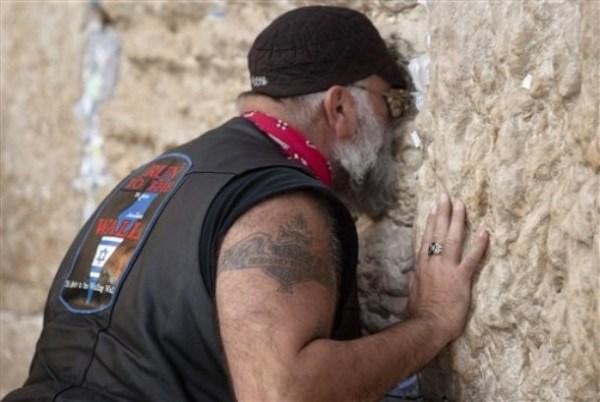
Photo: AP/Sebastian Scheiner

Translation from Maimonides on Teshuvah (5th Edition, 2017)


Day 3: When is Atonement Granted?

Day 3

Thursday, August 24, 2017

ב׳ אלול תשע׳׳ז

1.3

בִּזְמָן שְׁאֵין בֵּית הַמִּקְדָּשׁ קַיָּם, וְאֵין לָנוּ מִזְבַּח כַּפָּרָהאֵין שָׁם אֵלָא תְּשׁוּבָה.  הַתְּשׁוּבָה מְכַפֶּרֶת עַל כָּל הָעֲבֵרוֹת:  אַפִלּוּ רָשָׁע כָּל יָמָיו, וְעָשָׂה תְּשׁוּבָה בָּאַחֲרוֹנָהאֵין מַזְכִּירִין לוֹ שֵׁם רִשְׁעוֹ, שֶׁנֶּאֱמָרוְרִשְׁעַת הָרָשָׁע לֹאיִכָּשֶׁל בָּהּ, בְּיוֹם שׁוּבוֹ מֵרִשְׁעוֹ” (יחזקאל לג,יב).  וְעַצְמוֹ שֶׁלְּיוֹם הַכִּפּוּרִים מְכַפֵּר לַשָּׁבִים, שֶׁנֶּאֱמָרכִּיבַיּוֹם הַזֶּה יְכַפֵּר עֲלֵיכֶם” (ויקרא טז,ל).

Now that the Temple no longer exists, and there is no altar of atonement, only teshuvah remains.  Teshuvah atones for all sins.  Even a person who is wicked all his life, but repents at the very end, is never considered wicked, as it is written (Ezekiel 33:12), the wicked person will no longer stumble in his wickedness on the day he does teshuvah. The essence of Yom Kippur atones for those who repent, as it is written (Leviticus 16:30), for on that day, it will give you atonement.

1.4

אַף עַל פִּי שֶׁהַתְּשׁוּבָה מְכַפֶּרֶת עַל הַכֹּל, וְעַצְמוֹ שֶׁלְּיוֹם הַכִּפּוּרִים מְכַפֵּריֵשׁ עֲבֵרוֹת שְׁהֶן מִתְכַּפְּרִין בְּשָׁעָתָן, וְיֵשׁ עֲבֵרוֹת שְׁאֵין מִתְכַּפְּרִין אֵלָא לְאַחַר זְמָן.  כֵּיצַד:  עָבַר אָדָם עַל מִצְוַת עֲשֵׂה שְׁאֵין בָּהּ כָּרֵת, וְעָשָׂה תְּשׁוּבָהאֵינוּ זָז מִשָּׁם עַד שֶׁמּוֹחֲלִין לוֹ מִיָּד, וּבְאֵלּוּ נֶאֱמָרשׁוּבוּ בָּנִים שׁוֹבָבִים, אֶרְפָּה מְשׁוּבֹתֵיכֶם” (ירמיהו ג,כב).

עָבַר עַל מִצְוַת לֹא תַעֲשֶׂה שְׁאֵין בָּהּ כָּרֵת וְלֹא מִיתַת בֵּית דִּין, וְעָשָׂה תְּשׁוּבָהתְּשׁוּבָה תּוֹלָה וְיוֹם הַכִּפּוּרִים מְכַפֵּר, וּבְאֵלּוּ נֶאֱמָרכִּיבַיּוֹם הַזֶּה יְכַפֵּר עֲלֵיכֶם לטהר אתכם מכל חטאתיכם לפני התטהרו” (ויקרא טז,ל).

עָבַר עַל כְּרֵתוֹת וּמִיתוֹת בֵּית דִּין, וְעָשָׂה תְּשׁוּבָהתְּשׁוּבָה וְיוֹם הַכִּפּוּרִים תּוֹלִין, וְיִסּוּרִין הַבָּאִין עָלָיו גּוֹמְרִין לוֹ הַכַּפָּרָה, וּלְעוֹלָם אֵין מִתְכַּפֵּר לוֹ כַּפָּרָה גְּמוּרָה, עַד שֶׁיָּבוֹאוּ עָלָיו יִסּוּרִין; וּבְאֵלּוּ נֶאֱמָרוּפָקַדְתִּי בְשֵׁבֶט פִּשְׁעָם; וּבִנְגָעִים עֲו‍ֹנָם” (תהילים פט,לג).

בַּמֶּה דְּבָרִים אֲמוּרִים, בְּשֶׁלֹּא חִלַּל אֶת הַשֵּׁם בְּעֵת שֶׁעָבַר.  אֲבָל הַמְּחַלֵּל אֶת הַשֵּׁםאַף עַל פִּי שֶׁעָשָׂה תְּשׁוּבָה וְהִגִּיעַ יוֹם הַכִּפּוּרִים וְהוּא עוֹמֵד בִּתְשׁוּבָתוֹ וּבָאוּ עָלָיו יִסּוּרִין, אֵינוּ מִתְכַּפֵּר לוֹ כַּפָּרָה גְּמוּרָה עַד שֶׁיָּמוּת, אֵלָא תְּשׁוּבָה וְיוֹם הַכִּפּוּרִים וְיִסּוּרִין שְׁלָשְׁתָּן תּוֹלִין וּמִיתָה מְכַפֶּרֶת, שֶׁנֶּאֱמָרוְנִגְלָה בְאָזְנָי הצְבָאוֹת:  אִםיְכֻפַּר הֶעָו‍ֹן הַזֶּה לָכֶם, עַדתְּמֻתוּן” (ישעיהו כב,יד).

Even though teshuvah effects atonement for everything and the essence of Yom Kippur atones, there are certain sins that receive atonement immediately, and there are sins that only receive atonement after time passes.  How is this so?  If a person transgresses a positive commandment that does not carry the penalty of excision, and then he repents, he does not move from that spot before he is immediately forgiven.  Regarding these people it is written (Jeremiah 3:22), return, returning children, I will heal you in your return.

If a person transgresses a negative commandment that does not carry the penalty of excision or capital punishment at the hands of a human court, and then he does teshuvah, his teshuvah remains suspended until Yom Kippur provides atonement.  Regarding these people it is written (Leviticus 16:30), for on that day it will give you atonement, to purify you from all your sins, before God you will be purified.

If a person transgresses a commandment that carries the penalty of excision or capital punishment at the hands of a human court, and then he does teshuvah, then the teshuvah and Yom Kippur are suspended, and suffering comes to him to complete the atonement. He will never receive complete atonement until he endures suffering.  Regarding such people it is written (Psalms 89:33), I will remember their sins with the staff, and their transgressions with lashes.

Under what conditions does this apply? When the sin did not involve the desecration of the Divine Name.  If the sin did involve the desecration of the Divine Name, then even though a person did teshuvah, and went through Yom Kippur while he remained steadfast in his teshuvah, and he experienced suffering, he nevertheless will not receive complete atonement until he dies.  Rather, all three factors (teshuvah, Yom Kippur, and suffering) are suspended, and death provides atonement, as it is written (Isaiah 22:14), and it was revealed to my ears by the Lord of Hosts: you will not receive atonement for this sin until you die.

Translation from Maimonides on Teshuvah (5th Edition, 2017)

Image by John Fowler (http://www.flickr.com/photos/snowpeak/8267522254/) [CC BY 2.0 (http://creativecommons.org/licenses/by/2.0)%5D, via Wikimedia Commons

Day 2: The Scapegoat

Day 2: The Scapegoat
א׳ אלול

ראש חודש אלול

Wednesday, August 23, 2017

1.2

שָׂעִיר הַמִּשְׁתַּלֵּחַ–לְפִי שְׁהוּא כַּפָּרָה לְכָל יִשְׂרָאֵל, כּוֹהֵן גָּדוֹל מִתְוַדֶּה עָלָיו עַל לְשׁוֹן כָּל יִשְׂרָאֵל: שֶׁנֶּאֱמָר “וְהִתְוַדָּה עָלָיו אֶת-כָּל-עֲו‍ֹנֹת בְּנֵי יִשְׂרָאֵל” (ויקרא טז,כא). 

שָׂעִיר הַמִּשְׁתַּלֵּחַ מְכַפֵּר עַל כָּל עֲבֵרוֹת שֶׁבַּתּוֹרָה, הַקַּלּוֹת וְהַחֲמוּרוֹת, בֵּין שֶׁעָבַר בְּזָדוֹן בֵּין שֶׁעָבַר בִּשְׁגָגָה, בֵּין שֶׁהוֹדַע לוֹ בֵּין שֶׁלֹּא הוֹדַע לוֹ–הַכֹּל מִתְכַּפֵּר בְּשָׂעִיר הַמִּשְׁתַּלֵּחַ: וְהוּא, שֶׁעָשָׂה תְּשׁוּבָה; אֲבָל אִם לֹא עָשָׂה תְּשׁוּבָה, אֵין הַשָּׂעִיר מְכַפֵּר לוֹ אֵלָא עַל הַקַּלּוֹת.

וּמַה הֶן הַקַּלּוֹת, וּמַה הֶן הַחֲמוּרוֹת: הַחֲמוּרוֹת הֶן הָעֲבֵרוֹת שֶׁחַיָּבִין עֲלֵיהֶן מִיתַת בֵּית דִּין אוֹ כָּרֵת; וּשְׁבוּעַת שָׁוְא וְשֶׁקֶר–אַף עַל פִּי שְׁאֵין בָּהּ כָּרֵת, הֲרֵי הִיא מִן הַחֲמוּרוֹת. וּשְׁאָר מִצְווֹת לֹא תַעֲשֶׂה, וּמִצְווֹת עֲשֵׂה שְׁאֵין בָּהֶן כָּרֵת–הֶן הַקַּלּוֹת.

The High Priest utters the confession over the goat that is sent away, which acts as an atonement for all Israel. He does this with reference to the entire Jewish people, as it is written (Leviticus 16:21), and he will confess over it all the sins of all the children of Israel.

The goat that is sent away atones for all sins in the Torah, the lighter ones and the stricter ones, whether one transgressed them intentionally or unintentionally, whether one was aware of them or not. All sins receive atonement through the goat that is sent away. This is true as long as a person does teshuvah. Without teshuvah, the goat atones for lighter sins only.

What are these lighter sins, and what are the stricter sins? The stricter sins are those for which a person would be subject to the death penalty by a human court or excision. False oaths and lies, even though they do not carry the penalty of excision, are included in the category of stricter sins. All other negative commandments, as well as positive commandments that do not carry the penalty of excision, are included in the category of lighter sins.

Translation from Maimonides on Teshuvah (5th edition, 2017)

Day 1: Confession.

Day 1

ל׳ אב ראש חודש אלול

Tuesday, August 22, 2017

כָּל הַמִּצְווֹת שֶׁבַּתּוֹרָה, בֵּין עֲשֵׂה בֵּין לֹא תַעֲשֶׂהאִם עָבַר אָדָם עַל אַחַת מֵהֶן, בֵּין בְּזָדוֹן בֵּין בִּשְׁגָגָהכְּשֶׁיַּעֲשֶׂה תְּשׁוּבָה וְיָשׁוּב מֵחֶטְאוֹ, חַיָּב לְהִתְוַדּוֹת לִפְנֵי הָאל בָּרוּךְ הוּא:  שֶׁנֶּאֱמָראִישׁ אוֹאִשָּׁה כִּי יַעֲשׂוּ מִכָּלחַטֹּאת הָאָדָם למעול מעל בהואשמה הנפש ההיא וְהִתְוַדּוּ, אֶתחַטָּאתָם אֲשֶׁר עָשׂוּ” (במדבר ה,וז), זֶה וִדּוּי דְּבָרִים.  וּוִדּוּי זֶה מִצְוַת עֲשֵׂה.

כֵּיצַד מִתְוַדֶּהאוֹמֵר אָנָּא החָטָאתִי עָוִיתִי פָּשַׁעְתִּי לְפָנֶיךָ, וְעָשִׂיתִי כָּךְ וְכָּךְ, וַהֲרֵי נִחַמְתִּי וּבֹשְׁתִּי בְּמַעֲשַׂי, וּלְעוֹלָם אֵינִי חוֹזֵר לְדָבָר זֶה.  זֶה הוּא עִיקָרוֹ שֶׁלַּוִּדּוּי; וְכָל הַמַּרְבֶּה לְהִתְוַדּוֹת וּמַאֲרִיךְ בְּעִנְיָן זֶה, הֲרֵי זֶה מְשֻׁבָּח.

וְכֵן בַּעֲלֵי חַטָּאוֹת וַאֲשָׁמוֹתבְּעֵת שֶׁמְּבִיאִין קָרְבְּנוֹתֵיהֶם עַל שִׁגְגָתָן אוֹ עַל זְדוֹנָן, אֵין מִתְכַּפֵּר לָהֶן בְּקָרְבָּנָם, עַד שֶׁיַּעֲשׂוּ תְּשׁוּבָה, וְיִתְוַדּוּ וִדּוּי דְּבָרִים:  שֶׁנֶּאֱמָרוְהִתְוַדָּה אֲשֶׁר חָטָא עָלֶיהָ” (ויקרא ה,ה).

וְכֵן כָּל מְחֻיְּבֵי מִיתוֹת בֵּית דִּין, וּמְחֻיְּבֵי מַלְקוּתאֵין מִתְכַּפֵּר לָהֶם בְּמִיתָתָם אוֹ בִּלְקִיָּתָם, עַד שֶׁיַּעֲשׂוּ תְּשׁוּבָה וְיִתְוַדּוּ.  וְכֵן הַחוֹבֵל בַּחֲבֵרוֹ אוֹ הַמַּזִּיק מְמוֹנוֹאף עַל פִּי שֶׁשִּׁלַּם לוֹ מַה שְׁהוּא חַיָּב לוֹאֵין מִתְכַּפֵּר לוֹ, עַד שֶׁיִּתְוַדֶּה וְיָשׁוּב מִלַּעֲשׂוֹת כְּזֶה לְעוֹלָם:  שֶׁנֶּאֱמָרמִכָּלחַטֹּאת הָאָדָם” (במדבר ה,ו).

Every commandment in the Torah, whether a commandment to perform some act or a commandment to refrain from some act— if a person transgresses one of these commandments, whether unintentionally or intentionally, he must confess before God when he does teshuvah for his sin.  This is as it is written (Numbers 5:6-7): a man or woman who commits one of the sins of humanity, transgressing against God, the soul bears guilt; they must confess the sin they committed.  This is called the “confession of words.”  This confession is a positive commandment.

How should a person confess? He should say, “Please, God, I have sinned, I have wronged, I have rebelled before you, and I have done such-and-such. Behold, I regret and am ashamed of my deeds, and I will never return to that act again.” this is the essence of confession, and anyone who expands on such a confession, going into greater detail, deserves praise.

Thus when people who sinned and are guilty, and brought sacrifices for their unintentional or intentional sins, they did not receive atonement through their offerings until they did teshuvah, and confessed the confession of words, as it is written (Leviticus 5:5) and he will confess regarding that which he sinned.

So too, one who was condemned to be executed by the court, or condemned to receive lashes, would not receive atonement through death or lashes if he did not also do teshuvah and confess. Furthermore, anyone who harms another person physically or financially, even though he may repay what he owes, he will not receive atonement until he confesses and repents of ever doing this again, as it is written (Numbers 5:6) of all the sins of humanity.

Translation from Maimonides on Teshuvah, 5th Edition (2017). Comments welcomed.

August 2017 Update

Please click here for the latest news: The Jews of Sepharad lecture series, our new Global Maimonides Project, and other cool things.

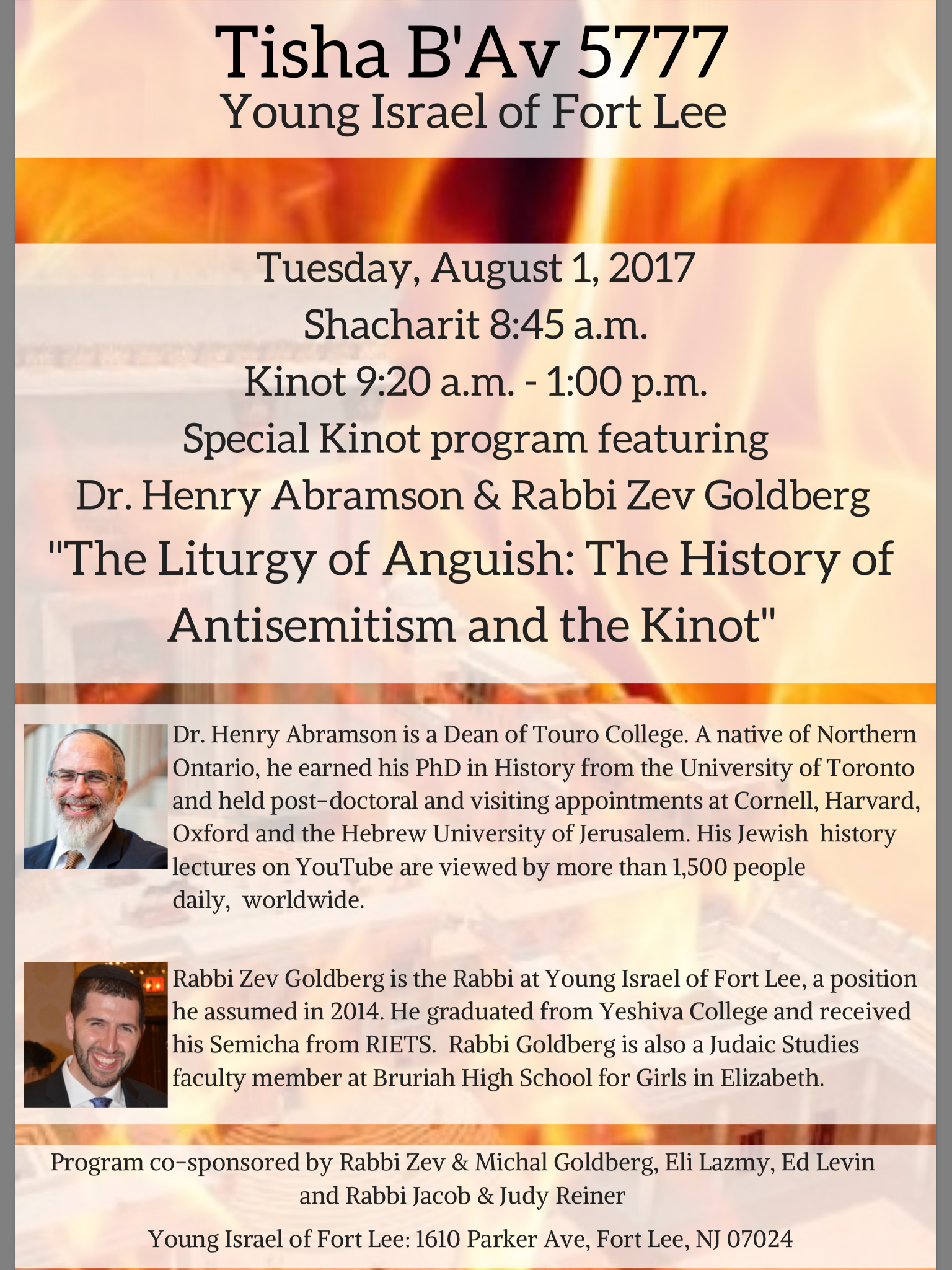
The Liturgy of Anguish

‪Hopefully this event will be cancelled with the arrival of Moshiach, but just in case, I am really looking forward to hearing Rabbi Goldberg speak about the Kinot. ‬

New Series! How to Speak Like a Mensch

This is a little different: my Jewish take on SPLN 101: Fundamentals of Speech, our required undergraduate course at the mighty Avenue J campus of Touro College. Let me know what you think!

Why I Wrote Maimonides on Teshuvah

Dedicated to the memory of my father: A new translation and commentary of Moses Maimonides’ classic work on repentance. Softcover, 253 pages, illustrations. $18 after August 3, pre-order now for special price of $9 plus shipping. 5th edition (2017) Visit bit.ly/ordermot for more details.

Create a website or blog at WordPress.com

Up ↑