
Day 3
Thursday, August 24, 2017
ב׳ אלול תשע׳׳ז
1.3
בִּזְמָן שְׁאֵין בֵּית הַמִּקְדָּשׁ קַיָּם, וְאֵין לָנוּ מִזְבַּח כַּפָּרָה—אֵין שָׁם אֵלָא תְּשׁוּבָה. הַתְּשׁוּבָה מְכַפֶּרֶת עַל כָּל הָעֲבֵרוֹת: אַפִלּוּ רָשָׁע כָּל יָמָיו, וְעָשָׂה תְּשׁוּבָה בָּאַחֲרוֹנָה—אֵין מַזְכִּירִין לוֹ שֵׁם רִשְׁעוֹ, שֶׁנֶּאֱמָר “וְרִשְׁעַת הָרָשָׁע לֹא–יִכָּשֶׁל בָּהּ, בְּיוֹם שׁוּבוֹ מֵרִשְׁעוֹ” (יחזקאל לג,יב). וְעַצְמוֹ שֶׁלְּיוֹם הַכִּפּוּרִים מְכַפֵּר לַשָּׁבִים, שֶׁנֶּאֱמָר “כִּי–בַיּוֹם הַזֶּה יְכַפֵּר עֲלֵיכֶם” (ויקרא טז,ל).
Now that the Temple no longer exists, and there is no altar of atonement, only teshuvah remains. Teshuvah atones for all sins. Even a person who is wicked all his life, but repents at the very end, is never considered wicked, as it is written (Ezekiel 33:12), the wicked person will no longer stumble in his wickedness on the day he does teshuvah. The essence of Yom Kippur atones for those who repent, as it is written (Leviticus 16:30), for on that day, it will give you atonement.
1.4
אַף עַל פִּי שֶׁהַתְּשׁוּבָה מְכַפֶּרֶת עַל הַכֹּל, וְעַצְמוֹ שֶׁלְּיוֹם הַכִּפּוּרִים מְכַפֵּר—יֵשׁ עֲבֵרוֹת שְׁהֶן מִתְכַּפְּרִין בְּשָׁעָתָן, וְיֵשׁ עֲבֵרוֹת שְׁאֵין מִתְכַּפְּרִין אֵלָא לְאַחַר זְמָן. כֵּיצַד: עָבַר אָדָם עַל מִצְוַת עֲשֵׂה שְׁאֵין בָּהּ כָּרֵת, וְעָשָׂה תְּשׁוּבָה—אֵינוּ זָז מִשָּׁם עַד שֶׁמּוֹחֲלִין לוֹ מִיָּד, וּבְאֵלּוּ נֶאֱמָר “שׁוּבוּ בָּנִים שׁוֹבָבִים, אֶרְפָּה מְשׁוּבֹתֵיכֶם” (ירמיהו ג,כב).
עָבַר עַל מִצְוַת לֹא תַעֲשֶׂה שְׁאֵין בָּהּ כָּרֵת וְלֹא מִיתַת בֵּית דִּין, וְעָשָׂה תְּשׁוּבָה—תְּשׁוּבָה תּוֹלָה וְיוֹם הַכִּפּוּרִים מְכַפֵּר, וּבְאֵלּוּ נֶאֱמָר “כִּי–בַיּוֹם הַזֶּה יְכַפֵּר עֲלֵיכֶם לטהר אתכם מכל חטאתיכם לפני ה‘ תטהרו” (ויקרא טז,ל).
עָבַר עַל כְּרֵתוֹת וּמִיתוֹת בֵּית דִּין, וְעָשָׂה תְּשׁוּבָה—תְּשׁוּבָה וְיוֹם הַכִּפּוּרִים תּוֹלִין, וְיִסּוּרִין הַבָּאִין עָלָיו גּוֹמְרִין לוֹ הַכַּפָּרָה, וּלְעוֹלָם אֵין מִתְכַּפֵּר לוֹ כַּפָּרָה גְּמוּרָה, עַד שֶׁיָּבוֹאוּ עָלָיו יִסּוּרִין; וּבְאֵלּוּ נֶאֱמָר “וּפָקַדְתִּי בְשֵׁבֶט פִּשְׁעָם; וּבִנְגָעִים עֲוֹנָם” (תהילים פט,לג).
בַּמֶּה דְּבָרִים אֲמוּרִים, בְּשֶׁלֹּא חִלַּל אֶת הַשֵּׁם בְּעֵת שֶׁעָבַר. אֲבָל הַמְּחַלֵּל אֶת הַשֵּׁם—אַף עַל פִּי שֶׁעָשָׂה תְּשׁוּבָה וְהִגִּיעַ יוֹם הַכִּפּוּרִים וְהוּא עוֹמֵד בִּתְשׁוּבָתוֹ וּבָאוּ עָלָיו יִסּוּרִין, אֵינוּ מִתְכַּפֵּר לוֹ כַּפָּרָה גְּמוּרָה עַד שֶׁיָּמוּת, אֵלָא תְּשׁוּבָה וְיוֹם הַכִּפּוּרִים וְיִסּוּרִין שְׁלָשְׁתָּן תּוֹלִין וּמִיתָה מְכַפֶּרֶת, שֶׁנֶּאֱמָר “וְנִגְלָה בְאָזְנָי ה‘ צְבָאוֹת: אִם–יְכֻפַּר הֶעָוֹן הַזֶּה לָכֶם, עַד–תְּמֻתוּן” (ישעיהו כב,יד).
Even though teshuvah effects atonement for everything and the essence of Yom Kippur atones, there are certain sins that receive atonement immediately, and there are sins that only receive atonement after time passes. How is this so? If a person transgresses a positive commandment that does not carry the penalty of excision, and then he repents, he does not move from that spot before he is immediately forgiven. Regarding these people it is written (Jeremiah 3:22), return, returning children, I will heal you in your return.
If a person transgresses a negative commandment that does not carry the penalty of excision or capital punishment at the hands of a human court, and then he does teshuvah, his teshuvah remains suspended until Yom Kippur provides atonement. Regarding these people it is written (Leviticus 16:30), for on that day it will give you atonement, to purify you from all your sins, before God you will be purified.
If a person transgresses a commandment that carries the penalty of excision or capital punishment at the hands of a human court, and then he does teshuvah, then the teshuvah and Yom Kippur are suspended, and suffering comes to him to complete the atonement. He will never receive complete atonement until he endures suffering. Regarding such people it is written (Psalms 89:33), I will remember their sins with the staff, and their transgressions with lashes.
Under what conditions does this apply? When the sin did not involve the desecration of the Divine Name. If the sin did involve the desecration of the Divine Name, then even though a person did teshuvah, and went through Yom Kippur while he remained steadfast in his teshuvah, and he experienced suffering, he nevertheless will not receive complete atonement until he dies. Rather, all three factors (teshuvah, Yom Kippur, and suffering) are suspended, and death provides atonement, as it is written (Isaiah 22:14), and it was revealed to my ears by the Lord of Hosts: you will not receive atonement for this sin until you die.
Translation from Maimonides on Teshuvah (5th Edition, 2017)
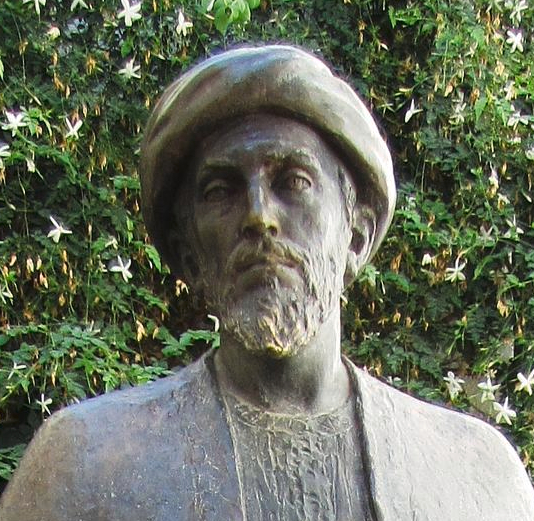
Image by John Fowler (http://www.flickr.com/photos/snowpeak/8267522254/) [CC BY 2.0 (http://creativecommons.org/licenses/by/2.0)%5D, via Wikimedia Commons





 Henry Abramson