Maimonides on Teshuvah: The Ways of Repentance

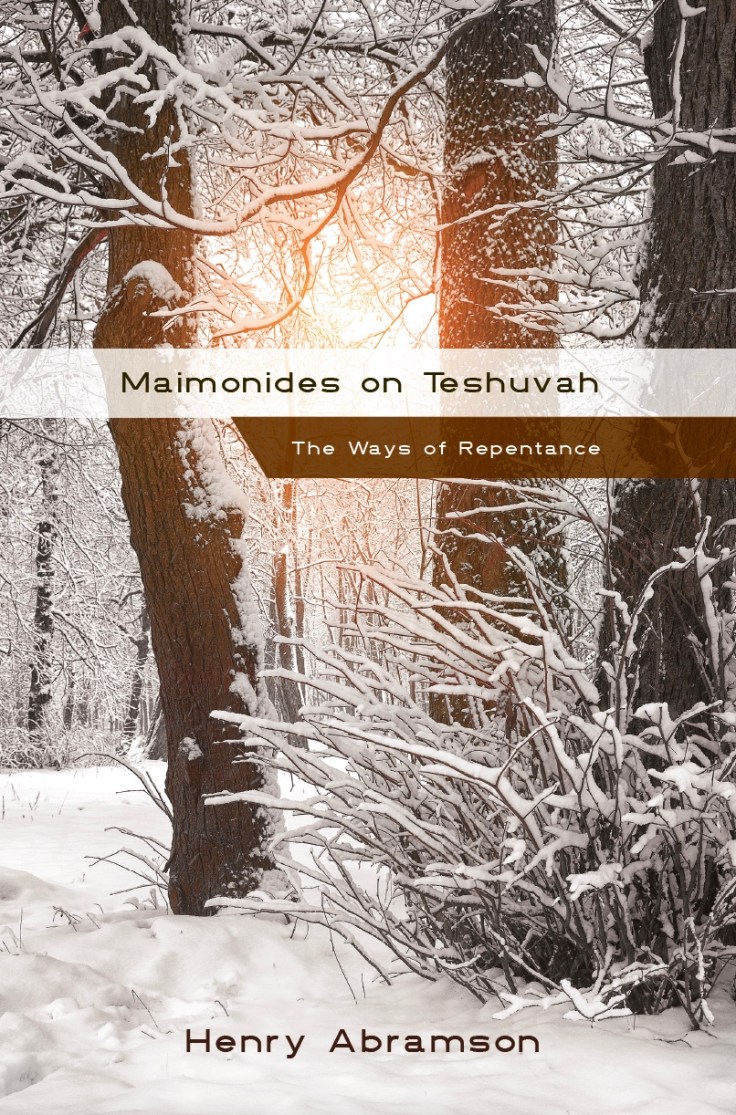
Coming August 15, 2016, in commemoration of my father’s yohrtsayt (11 Av).
Shavuot at Young Israel of Lawrence-Cedarhurst
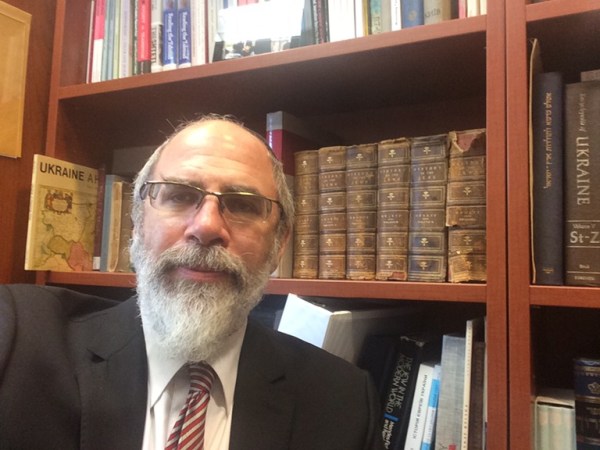
Hello students, colleagues and friends! Where will you be on Saturday night? If you’re in the Five Towns, please feel free to drop by the Young Israel of Lawrence-Cedarhurst (YILC) and say hi, maybe learn a little bit of Torah with me. Besides learning with my kids a bit, I hope to spend the night alternating between the brilliant 16th-century thought of Rabbi Moshe Cordovero (Pardes Rimonim) and the incomparable 18th-century Rabbi Moshe Chaim Luzzatto (Mesilat Yesharim).
YILC is ably led by Rabbi Moshe Teitelbaum and Assistant Rabbi Ya’akov Trump. They will of course be teaching all night themselves, and they have put together an amazing program for men and women of all ages (click here for the brochure) featuring scholar-in-residence Rabbi David Gottlieb. They have even produced a creative trailer promoting this phenomenal night of spiritual and intellectual discovery!
I plan to be upstairs in the Gluck-Gelnick Beit Midrash. I’ll be the one pacing back and forth trying to stay awake. Come say hello and learn with me!
Have an excellent Yom Tov.

Danit Malka Hikes the Grand Canyon for Kids with Disabilities!

Here’s a brief message from my daughter Danit Malka, who is preparing for a major hike along the Grand Canyon to raise funds for Friendship Circle, an organization dedicated to helping children with disabilities. Please partner with Danit Malka and help her meet her fundraising goal to help these kids by visiting http://www.hike.teamfriendship.org/DanitMalka. Thank you!
The First Pillar of Jewish Law: The Rif

 |
http://www.aish.com/jl/h/h/The-First-Pillar-of-Jewish-Law-The-Rif.html |
 |
|
|
The First Pillar of Jewish Law: The Rif
Students with even a cursory familiarity with Halacha, Jewish law, are aware of the importance of the Shulchan Aruch, Rabbi Yosef Karo’s comprehensive 15th century magnum opus that informs, directs, and inspires the daily behavior of observant Jews worldwide. Fewer people know, however, of the scholar that Rabbi Karo termed “the first pillar” of Jewish Law: the Algerian-born Rabbi Yitzchak al-Fasi, whose yahrtzeit is observed on the 10th of Iyar. Together with the rulings of Maimonides and R. Asher (“the Rosh”), Rabbi al-Fasi’s work formed the basis of all the rulings of the Shulchan Aruch.
 The Old City of Fez
The Rif, as he has been known to generations of Yeshiva students, spent the majority of his life in Fez, Morocco (hence his surname, which means “of Fez”). At the age of 75 he was forced to flee persecution and settled in the Iberian Peninsula, where a more tolerant environment contributed to the famed Golden Age of Spanish Jewry. He established a Yeshiva in Lucena, and rapidly attracted a number of brilliant students, including Rabbi Yosef ibn Migash and the poet-philosopher Rabbi Yehuda Ha-Levi, author of The Kuzari. Among his students was Rabbi Baruch Albalia, the orphaned son of one of the Rif’s most vocal opponents. Despite a long-standing and public dispute, moments before he succumbed to an untimely illness the child’s father directed his son to turn to Rabbi Alfasi for support. Moved to tears by his rival’s words of forgiveness, the Rif compassionately took the young boy into his household and raised him to greatness.
 The Rif composed hundreds of Rabbinic responsa in Arabic, but his greatest contribution to Torah literature is certainly his Sefer Halakhot, a brilliantly innovative work that revolutionized the study of The Talmud. Indeed, in regions like Italy where the study of Talmud was banned by Church authorities, the Sefer Halakhot served as its substitute for 300 years.
The genius behind Sefer Halakhot is not so much the information it contains as the information it omits. The Talmud is a massive, fantastically complex series of associations connected by a fine, delicate thread of argument. It is utterly unique, completely distinct from the Greco-Roman models of jurisprudence that dominate western culture. A tractate may be dedicated to a single subject – Shabbat, for example – but the content of that volume will draw from discussions in the entire corpus of Rabbinic literature. Absolutely nothing is tangential because every apparent distraction is followed to its logical conclusion before returning to the main line of discussion. Thus, while Tractate Shabbat is the locus classicus for a discussion of the seventh day, it also contains key discussions of a thousand topics, and other tractates also contain key information on Shabbat in turn.
 Lucena Cordoba
The Rif radically simplified the study of Jewish law by creating a carefully edited version of the most widely researched tractates of the Talmud (especially those that dealt with contemporary practice). Sefer Halakhot, sometimes simply called “the Rif,” is thus a condensed, to-the-point version of the Talmudic back-and-forth, with occasional artful notes and clarifications by al-Fasi.
Of course, Rabbi al-Fasi’s surgical method sacrificed much fascinating material. Talmudic aggadah – meaning the cryptic legends, biographies, and other teachings of the Sages – was generally omitted, although the Rif includedaggadah that had halachic implications. His editorial choice simplified halachic study at the expense of inspirational text, was later addressed by Rabbi Yaakov ibn Habib in his Ein Yaakov, essentially a mirror edition of the Rif that passed over most Halacha and preserved aggadah instead.
The Rif was a transitional, pivotal figure in the history of Torah scholarship. He was 25 when the last of the Babylonian Rabbis known as Geonim passed away, and thus he was among the first generation of scholars called Rishonim. His work earned prime Rabbinic real estate when it was included in the standard edition of the Vilna Talmud in the 1860s, printed as a primary reference for serious students. His scholarship has been praised by the greatest Rabbis over the last millennium, including a member of the school of Tosafot, Rabbi Yaakov of Marvege, who once went to sleep troubled by a controversy that questioned a halachic ruling of the Rif. In his dreams he was visited by a heavenly voice that quoted Genesis 17:21: I shall establish my covenant with Yitzchak. Indeed, as the First Pillar of the Shulchan Aruch, Rabbi Yitzchak al-Fasi’s covenant has been firmly established as definitive Jewish law.
This article can also be read at: http://www.aish.com/jl/h/h/The-First-Pillar-of-Jewish-Law-The-Rif.html
Chernobyl and its Hasidim
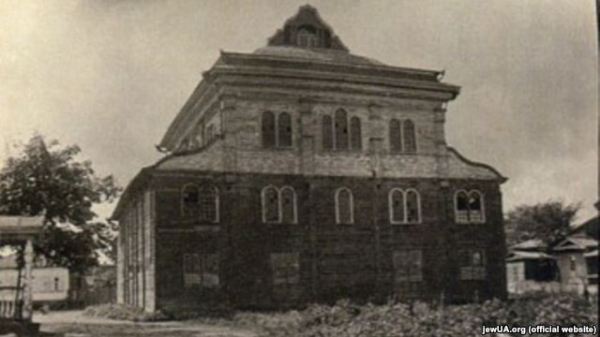
This article appeared in Radio Svoboda at: http://www.radiosvoboda.org/content/article/27692726.html. I understand an English translation is forthcoming for readers who aren’t yet fluent in Ukrainian.

26.04.2016
«Чорнобиль не загинув» – нащадок чорнобильських рабинів
Рід рабинів Тверських налічує понад 50 тисяч нащадків, але святим місцем для них залишається український Чорнобиль
Впродовж останніх 30 років український Чорнобиль є синонімом найбільшої ядерної катастрофи у світі. Ця трагедія затьмарила понад 800-літню історію міста, що було відоме ще з часів Київської Русі, але особливої слави зажило у 18-19 столітті, коли Чорнобиль став одним з центрів хасидизму в Україні, нової потужної течії юдаїзму. Династія чорнобильських хасидів, серед яких було чимало цадиків, тобто праведників, пережила і погроми і Голокост і навіть Чорнобильську аварію. Нині рід рабинів Тверських налічує понад 50 тисяч нащадків, але батьківщиною своєю і святим місцем для них залишається український Чорнобиль.
Коли сталася аварія на Чорнобильській атомній електростанції, для всього світу це було якесь невідоме місто в якійсь невідомій Україні. Але для великої родини Тверських це було їхнє рідне місто, місто чорнобильських рабинів, хасидських цадиків, праведників та чудотворців.
У своєму будинку в передмісті Нью-Йорка К’ю Ґарден Гіллз усміхнений бородань Іцхак Тверський із радістю показує свій найбільший скарб – архівні документи про свою родину, династію чорнобильських рабинів. Понад 30 років, проведених у дослідженні архівів, телефонних книг, подорожей по цілому світу, майже два десятки тестів ДНК, тисячі свідоцтв про народження та інших архівних посвіток з України дають йому право з гордістю розповідати про історію свого славетного роду.
«Мене звати Іцхак Меїр Тверський, з Квінз, мого батька звали Яків Йосип Тверський із Бронкса, Нью-Йорк, його батька звали Мордехай Ізраїль Тверський, з українського Хотина, Україна, його батько був Барух Меїр Тверський з Озаринців, Україна, його батьком був Менахем Нахум Тверський, який жив у Чорнобилі. Його батьком був Мордехай Тверський, великий рабин Чорнобиля, а вже його батьком був засновник Чорнобильської династії Менахем Нахум Тверський з українського Чорнобиля. Я міг би продовжувати, але, здається, цього мало б вистачити», – говорить нащадок чорнобильських рабинів.
Перший з династії Тверських прийшов до Чорнобиля із села Норинськ, що на Житомирщині. Як розповідає Іцхак Тверскі, Менахем Нахум був популярним проповідником і чорнобильська громада запросила його до себе, щоб він став місцевим рабином.
«Місцеві люди вважали його фантастичним проповідником і святою людиною. Він поселився в Чорнобилі десь між 1777 і 1780 роком. Підтвердження цьому ми знайшли в даних перепису 1795 року, де також зазначено, що його син Мордехай жив з ним по-сусідству», – розповідає гордий нащадок.
Єврейський Чорнобиль
Навіть сьогодні в понівеченому Чорнобилі можна побачити рештки єврейського містечка – там було 5 синагог, і лише одна церква. За радянських часів в одній з синагог був військкомат, в другій – головний суд міста, у третій – клуб, у четвертій – школа. Принаймні ця продовжувала певною мірою служити своїй меті, адже синагога у перекладі означає «школа».
На кінець 19-го століття в Чорнобилі проживало близько 11 тисяч мешканців, майже дві третини з них – євреї. Українські етнічні території на той час посідають друге за кількістю єврейського населення у світі. По цілому Правобережжю розкинулися єврейські містечка, адже жити у великих містах євреям забороняли закони царської Росії. Українські селяни, які становили меншість у містечку, або жили у навколишніх селах, привозили до містечка на ринок свою сільськогосподарську продукцію, а в євреїв купували ремісницькі вироби. Містечка були схожі між собою, розповідає український історик, дослідник хасидизму, викладач Києво-Могилянської академії Ігор Туров.
«Єврейське містечко – зазвичай це невелике поселення, де була центральна ринкова площа, там розташовувалася церква та синагога. І навколо було поселення, яке за устроєм принципово не відрізнялося від села. Відрізнялося лише тим, що його мешканці займалися ремеслом та торгівлею. Більшість послуг ремісників давали саме євреї – це були, ковалі, молочники, кравці, шевці», – розповідає український історик.
Україна – батьківщина хасидизму
Непримітне поліське містечко стало центром потужної Чорнобильської хасидської династії, розповідає Генрі Абрамсон, канадський професор, фахівець з українсько-єврейської історії, який нині є деканом Лендерівського коледжу гуманітарних і природничих наук у Флетбуші, в Нью-Йорку. Заради нашої розмови професор пригадав вже дещо призабуту українську мову, яку він вивчав у Центрі українських досліджень в Торонто.
Мені дуже приємно Вам розповісти про українську єврейську історію. Хасидизм – це єврейський народний рух, який створився у 18-му столітті у Західній Україні
«Мене звати Генрі Абрамсон. І мені дуже приємно Вам розповісти про українську єврейську історію. Трохи важко говорити українською, то я перейду на англійську. Хасидизм – це єврейський народний рух, який створився у 18-му столітті у Західній Україні. На той час євреї жили в цьому регіоні вже впродовж багатьох сотень років. Але головні інтелектуальні інституції, єшивот, семінарії для рабинів, концентрувалися у північний районах Польсько-Литовської держави. Тож українські євреї були дещо ізольовані від цього інтелектуального життя. Зате вони були ближчі до своїх українських співгромадян, жили з ними в симбіотичних економічних стосунках, яким, звичайно, не бракувало тертя. Але також там було величезне інтелектуальне взаємопроникнення і збагачення ідеями», – розповідає канадський професор.
Хасидизм почався як спротив інтелектуальній консервативній традиції, що розвивалася на півночі Речі Посполитої. Засновником хасидизму був Ізраїль бен Еліезер Баал-Шем-Тов із Поділля. Пізніше його ідеї радості життя, дружнього спілкування, співання пісень, як шляху до Бога, знайшли поширення по всій території України, і навіть у Польщі та Литві.
Як розповідає професор Абрамсон, хасидизм поширювався в Україні зі швидкістю лісової пожежі. Проповідники подорожували містечками, розповідали містичні історії, вчили людей, що шлях до Бога лежить не лише крізь священні книги Талмуда, написані на івриті та арамейською мовами, недоступні бідному і часто неграмотному єврейському населенню України.
Проте хасидизм ріднить з Україною не лише веселі, чи тужливі пісні, які часто є тими самими наспівами, не тільки любов до гучних і хмільних забав, але і схожі духовні практики, говорить Ігор Туров, який займався саме цими питаннями у своїх дослідженнях хасидизму.
На відміну від представників інших єврейських течій, хасиди радо контактували з християнами. «Хасиди вважали, що спілкування з іновірцями є добра справа, що в них міститься частка божого світла і за рахунок спілкування з євреями це світло повертається до свого першоджерела, поєднується з ним», – пояснює історик Ігор Туров.
Духовний вплив між євреями і українцями був взаємний. Місцеві українські вірування вплинули на ранній хасидизм, наприклад інститут «старчества», пов’язаний з вірою в те, що просунуті відлюдники, які є в монастирях, мають велику силу і владу, що вони можуть молитися за виконання бажань, що їхні послушники мають виконувати їхні вказівки беззастережно.
Українська традиція вплинула на те, що ті традиції, які існували в єврейській містиці, перетворилися на етос колективного буття
«Ця українська традиція вплинула на те, що ті традиції, які існували в єврейській містиці, перетворилися на етос колективного буття. Тобто середовище вплинуло на те, що якісь ідеї, про які знали лише дуже освічені єврейські містики, змогли перетворитись на систему відносин між людьми у великих колективах», – пояснює вчений.
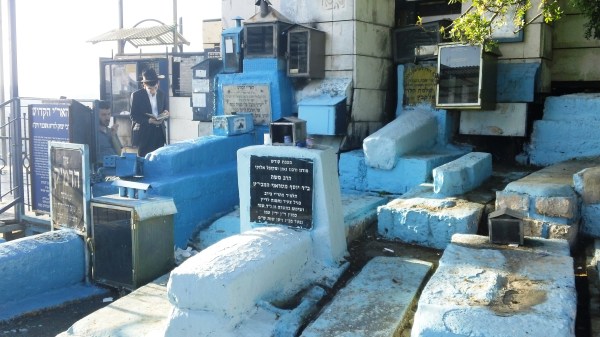
Як зазначає Ігор Туров, до хасидських рабинів, особливо тих, що вважалися цадиками, тобто людьми, наділеними особливою духовною силою, здатних до безпосереднього спілкування з Богом та спроможністю змінювати навколишній світ, приходили не лише євреї, але і місцеві українці. Просити про заступництво українські селяни приходили і до могил цадиків, які до радянських часів, і після них користувалися особливо шанобливим ставленням, як святі місця.
Велика кількість українців вірили у чудотворну силу цадиків, особливо чорнобильських. Самі цадики допомагали селянам під час неврожайних років, молилися і постували за них, і назагал «сприяли мирному співіснуванню». Як говорить Ігор Туров, не лише селяни приходили до цадиків, але і дворяни, нащадки знатних козацьких родин, і царські чиновники, навіть київські поліцмейстери приходили до них із проханнями, носили подарунки і дуже вірили, що це допомагає.
Одна з легенд, про яку згадує історик, безпосередньо пов’язана з Чорнобилем.
У хасидських середовищах в Ізраїлі мені доводилося чути про те, що вони очікували, що в Чорнобилі може статися велика проблема
«У хасидських середовищах в Ізраїлі мені доводилося чути про те, що вони очікували, що в Чорнобилі може статися велика проблема, бо поки там знаходилися цадики, вони ніби захищали це місце. Але коли відбулося вигнання цадиків та єврейської громади, то місце залишилося вразливим і небезпечним», – розповів дослідник хасидизму в Україні.
Цадик і Голокост
Рабин Менахем Нахум, нащадок і учень знаменитих рабинів, засновник потужної чорнобильської династії Тверських, також був цадиком, як і багато поколінь його праправнуків. Нині династія налічує понад 50 тисяч нащадків, всі вони впродовж 9-10 поколінь одружувалися в межах роду, зберігаючи прізвище Тверських, традиції хасидизму і головне заняття чоловіків – бути рабинами – проповідниками, вчителями. Історія його роду пов’язана не лише з Чорнобилем, а з усією Україною, адже чорнобильський рабин був майже у кожному єврейському містечку, а єврейські містечка – по всій Україні.
За словами Іцхака Тверського, він – перший з його династичної лінії, хто не став рабином за останні майже 300 років, перший, хто одружився поза своїм родом і перший, народжений поза Україною. Його батькові вдалося вижити у час Голокосту, але багато членів родини загинули, включно з дідом Іцхака, рабином із Хотина, що на Буковині.
«Його звали Мордехай Ізраїль Тверський. Він приїхав з Могильова-Подільського, де був рабином його батько, після того, як громада Хотина запросила його бути їхнім рабином. Я був у його будинку, який існує досі. Коли прийшли нацисти у 1941 році, вони зігнали до синагоги всіх провідних членів громади. У німецьких архівах я знайшов, що йшлося про лікарів, юристів, рабинів, яких відвели на розстріл», – веде далі Іцхак Тверський вже зі сльозами на очах.
Шапіро на власні очі бачив, як загинув мій дід. Коли їх вели повз річку, мій дід стрибнув у неї. Всі закричали: «Ребе хоче очиститися перед смертю!»
«Десь 15 років тому я знайшов в Ізраїлі книжку, яку написав Соломон Шапіро, він вижив тоді і на власні очі бачив, як загинув мій дід. Він розповідає, що коли їх вели повз річку Дністер, мій дід стрибнув у неї. Всі закричали: «Ребе хоче очиститися перед смертю!» Уявіть собі, про що ці люди думали перед смертю – про ритуальну чистоту! Німці витягнули його з річки і розстріляли разом з іншими 50 євреями. Я не знав про цю деталь, доки не знайшов цієї книжки», – говорить Іцхак Тверський.
Та документи, які він знайшов у Вашингтонському музеї Голокосту, вразили його ще більше. Йдеться про свідчення злочинів нацистів, які збирала радянська влада, для того, щоб вимагати репарацій від Німеччини. Попри спротив тієї частини єврейської громади, якій вдалося вижити під час Голокосту, вони вирішили провести ексгумацію, розрили братську могилу.
Серед груди кісток вони побачили абсолютно недоторкане тіло мого діда. Залишився цілим його одяг, його окуляри, які тепер у мене. Вни розкрили могилу через п’ять років після того, як ці люди загинули!
«Серед груди кісток вони побачили абсолютно недоторкане тіло мого діда. Залишився цілим його одяг, його окуляри, які тепер у мене, лежали в кишені. Там було багато свідків, які потім переїхали до Америки, які бачили цю неймовірну історію, адже вони розкрили могилу через п’ять років після того, як ці люди загинули! У Талмуді сказано, що тіло людини, яка має чисту душу, не розкладається. Люди не знали, що з цим робити. Вони спитали рабинів у Чернівцях, що їм робити, чи не поховати його окремо. Але рада рабинів їм відповіла, що всі ці люди були святі, вони всі загинули разом, і мусять бути поховані разом. Тож вони закрили могилу, поставили нагробок і приходять туди щороку в цей день», – говорить внук загиблого цадика.
Тверський – підтверджений і сертифікований
Такий рівень віри Іцхак Тверський вважає недосяжним для себе, тому замість того, щоб самому стати рабином, вирішив стати спеціалістом із комп’ютерних технологій і дослідником та хранителем родинної історії.
«Династія чорнобильських рабинів походить, зрозуміло, з Чорнобиля. Але потім сини роз’їхалися по різних містечках в Україні, переважно на Півдні України. Потім, ті, що пережили Голокост, розселилися по цілому світу. Зараз, якщо хто-небудь з прізвищем Тверський зайде до синагоги, чи рабинатського суду де-небудь по світу і скаже своє прізвище, то йому відразу скажуть: «А, ти є «чорноблер ейнікел», нащадок чорнобильських рабинів», – зауважує Іцхак Тверський.
У процесі досліджень він дізнався, що в Чорнобилі були ще п’ять інших родин із прізвищем Тверські. А влітку минулого року, коли свою співпрацю йому запропонувала група фахівців із генеалогії, стало можливим порівнювати письмові джерела з тестами ДНК.
«Тепер ми можемо точно сказати, чи Тверські, скажімо, з Південної Африки є нащадками рабинів, чи ні. Тверські є всюди, майже в кожному американському штаті, в Німеччині, в Нідерландах, і навіть в Єгипті, і, звичайно, в Україні. Це дійсно глобальна родина», – розповідає Іцхак Тверський про свій проект із дослідження родини.
Як він говорить, ті, хто не стали рабинами, знайшли спосіб залишитися високо духовними людьми, але при цьому повністю інтегрованими у сучасний світ. Вони є лікарями, юристами, один із них декан юридичного факультету, інший – відомий професор психології, який написав близько сотні книжок.
«Але всі вони поєднані між собою, і всі походять від великих чорнобильських рабинів. У світі хасидизму – бути одруженим з кимось із родини Тверських – це те саме, що бути одруженим з людиною королівської крові», – каже Іцхак Тверський.
Та на жаль, у самій Україні про славетний рід чорнобильських рабинів мало відомо поза єврейськими громадами та колом зацікавлених істориків. Викладач Києво-Могилянської академії Ігор Туров говорить, що українцям є що надолужувати в історії своєї країни.
Горизонтальні зв’язки з різними іншими народами, які жили на території України, не лише євреями, але і кримськими татарами, і іншими, дуже мало досліджені і мало викладаються
«Досі головним чином розглядається існування українців у вакуумі, чи співіснування українців з неукраїнською владою. Але горизонтальні зв’язки з різними іншими народами, які жили на території України, не лише євреями, але і кримськими татарами, і іншими, дуже мало досліджені і мало викладаються», – констатує історик.
Щороку члени родини повертаються до Чорнобиля, і відвідують могили предків, незважаючи на те, що вони є у зоні відчуження, розповідає Іцхак Тверський.
Ми беремо участь у різних гуманітарних проектах в Україні. Чорнобиль не є мертвий, він продовжує жити в кожному з нас
«Ми завжди будемо пов’язані з цим містом, цей зв’язок неможливо розірвати. Ми беремо участь у різних гуманітарних проектах в Україні. Мій брат, який є журналістом в Ізраїлі, написав колись в газеті «Нью-Йорк Таймс» статтю про те, що Чорнобиль означає для нашої родини. Він написав, що Чорнобиль не є мертвий, він не є знищений, він продовжує жити в кожному з нас. Жива пам’ять про нього існує по всьому світу, в кожному представнику нашої родини. Чорнобиль є у кожному з нас!» – наголошує Іцхак Тверський.
Над матеріалом працювали Марія Щур у Празі та Ольга Логінова в Нью-Йорку
Radio Free Europe/Radio Liberty © 2016 RFE/RL, Inc. All Rights Reserved.
The Mysterious, Miraculous Sarajevo Haggadah
|
http://www.aish.com/jw/s/The-Mysterious-Miraculous-Sarajevo-Haggadah.html |
|
|
|
The Mysterious, Miraculous Sarajevo Haggadah
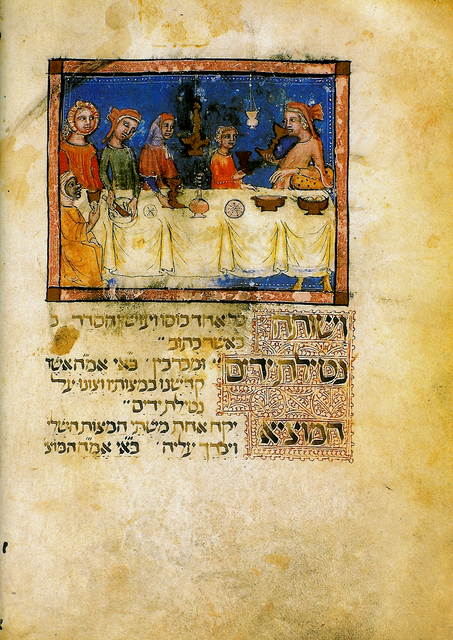
Resplendent in deep blues, brilliant yellows and alluring reds, the 14th century Sarajevo Haggadah was created during the halcyon days of la convivencia, or “coexistence,” when Jews, Muslims and Christians lived together in Spain in relative peace.
 The Korkut Family
An incomparable work of art appraised at $700 million, its wine-stained pages indicate that it was more than a precious family heirloom, it was actually used at Seder tables. It probably left the Iberian Peninsula along with the Jews exiled by the Alhambra Decree of 1492, and a Church censor’s notation dated 1609 indicates that it somehow passed the scrutiny of the Inquisition in Italy. In the late 19th century a mysterious figure named Joseph Cohen sold the precious document to a museum in Sarajevo, where it currently resides as a treasured item of the National Museum of Bosnia and Herzegovina.
 A hare serving a dog (Barcelona Haggada, c.1350)
Art historian Dr. Marc Michael Epstein has decoded many of the mysterious iconographic elements in the haggadah. A dog chasing a hare over the biblical verse “and they tortured us” was an expression of a medieval Jewish convention, based on a Talmudic reading of Kohelet 3:15 that God will “seek out the pursued” (the contemporary Barcelona Haggadah, by contrast, has a representation of a dog serving a hare in the Messianic future).
 Mysterious girl at the Seder table (Sarajevo Haggadah), The Korkut Family
Some mysteries remain opaque, such as the identity of the dark-skinned woman at the all-female Seder table. Her exotic headgear and position opposite the woman of the house and lower in the frame indicate that she might be a Moorish servant, but she is seated and clearly participating in the meal. Is she a convert? Perhaps a guest? The problem is compounded by the fact that portraits in medieval manuscripts of this nature often reflect the faces of the family that commissioned the artist. In other words, this particular illumination is most likely a representation of the first owners of the Sarajevo Haggadah who felt the mysterious woman (girl?) was sufficiently important that she be included as part of the household.
Elements like these have baffled art historians, including Pulitzer Prize-winning journalist Geraldine Brooks, whose novel People of the Book is a fictionalized account of the Sarajevo Haggadah’s history.
Among the amazing stories associated with the document is that of Dervis Korkut, a Muslim intellectual who served as the Chief Librarian of the Museum during the Nazi occupation. A fervent advocate of the multi-ethnic culture of Sarajevo, he predicted that the Nazis would seize the Haggadah for the bizarre “Museum of Jewish Civilization” in Prague that Hitler had planned in future commemoration of the destruction of the Jewish people. At great personal risk, Korkut smuggled the slim book out of the Museum and deposited it with an Imam, who hid the books in the library of a mosque outside of Sarajevo, returning it after the war.
 Dog chasing hare (Sarajevo Haggadah), The Korkut Family
Korkut’s love for the Jewish citizens of the city extended beyond their precious Haggadah. In the spring of 1942 he hid an orphaned Jewish girl in his home, telling his wife Servet to pretend she was, perhaps like the mysterious woman in the Haggadah, a Muslim servant. In this manner young Mira Papo survived the war and emigrated to Israel, where she successfully petitioned the Yad Vashem World Holocaust Remembrance Center to recognize the Korkuts as Righteous Gentiles. A tree was planted in their honor and they received a handsome Hebrew certificate testifying to their wartime heroism.
Almost 60 years later, Sarajevo was once again engulfed in violence. During the Bosnian war, Serbs massacred thousands of Muslims in so-called “ethnic cleansing.” The Korkuts’ daughter Lamija Jaha and her husband Vllaznim fled the bloodbaths and managed to cross the border into Macedonia with nothing other than her handbag and whatever family mementos she could carry. Lost amidst hundreds of refugees in a strange land, with no one to turn to for assistance, Lamija realized one of the family heirlooms she saved was a creased photocopy of the certificate her parents had received from Yad Vashem.
 Moses at Mount Sinai (Sarajevo Haggadah), The Korkut Family
Desperate, the Jahas made their way to Skopje, which had a population of some 200 Jews. They presented the document to Victor Mizrahi, the President of the Jewish community Skopje, who immediately contacted Jerusalem for assistance. Within days Lamija and her family were flown to safety and greeted at Ben-Gurion Airport by Prime Minister Netanyahu, who extended asylum to the family in recognition of the wartime work of her father, whose heroism saved the life of a young Jewish girl – and the Sarajevo Haggadah.
This article can also be read at: http://www.aish.com/jw/s/The-Mysterious-Miraculous-Sarajevo-Haggadah.html
| Like what you read? As a non-profit organization, Aish.com relies on readers like you to enable us to provide meaningful and relevant articles. Join Aish.com and help us continue to give daily inspiration to people like you around the world.
Make a secure donation at: https://secure.aish.com/secure/pledge.php or mail a check to Aish.com, c/o The Jerusalem Aish HaTorah Fund PO Box 1259 Lakewood, NJ 08701 |
Copyright © 1995 – 2016 Aish.com – http://www.aish.com
Interview on JRouteradio.com April 4/16
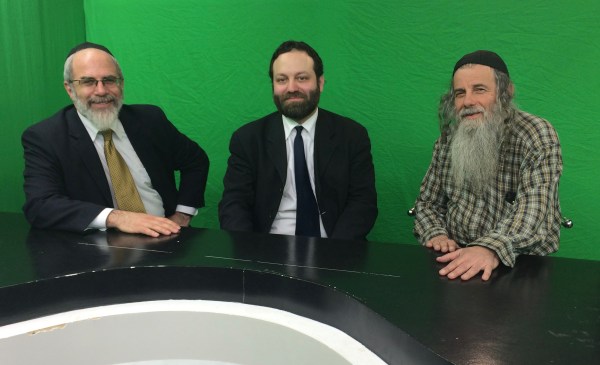
Here’s the interview Pesach Charney and Nissim Lazari conducted at jrouteradio.com on April 4. Hope you enjoy it!
 Henry Abramson