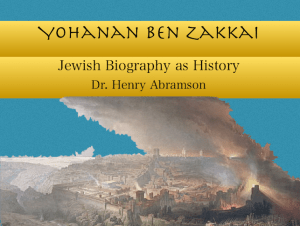
Who was Rabban Yohanan ben Zakkai? (Jewish Biography as History) Dr. Henry Abramson

real ybZ thumbnail

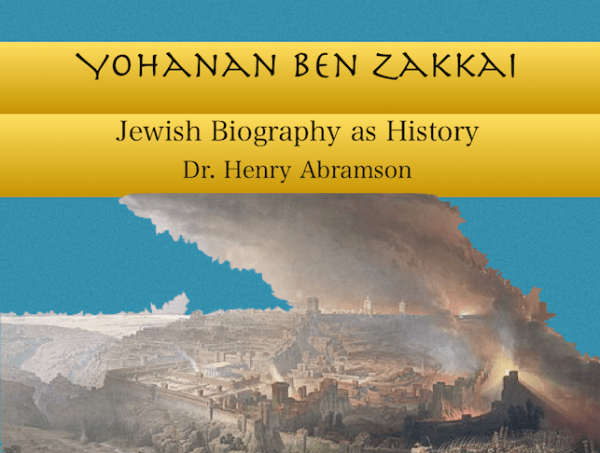
Rabban Yohanan ben Zakkai (d. c. 85 ce) was one of the most influential figures in ancient Jewish history. Emerging from the ruins of the destroyed Temple, Rabban Yohanan ben Zakkai led the Jewish people through the dangerous first years after the devastation of the last remnants of their state by the Romans. A disciple of Hillel, he was of the “national-realist” school that favored tactical surrender to the overwhelming power of the Roman Empire. In his most famous act, he arranged to fake his own death in order to escape his enemies among the Zealots to negotiate a peace treaty with Vespasian, who would later become Emperor. “Give me Yavneh and its scholars,” asked Rabban Yohanan ben Zakkai, setting in place the foundation for the existence of Judaism after the Temple could no longer serve as the center of Jewish religious life. Part of the Jewish Biography as History series available at http://www.jewishhistorylectures.com.

Really excited to be invited to present at Limmud Miami 2015!

unnamed

I’ve been selected as a presenter to speak about my latest book, The Kabbalah of Forgiveness: The Thirteen Levels of Mercy in Rabbi Moshe Cordovero’s Tomer Devorah (The Date Palm of Devorah). Please check out the Limmud’s Facebook Page or website for more information (the full schedule and list of presenters will be live in December).

Hope to see you there on February 22, 2015!

kof cover DMA_Fotor

Medieval Antisemitism (Essential Lectures in Jewish History) Dr. Henry Abramson

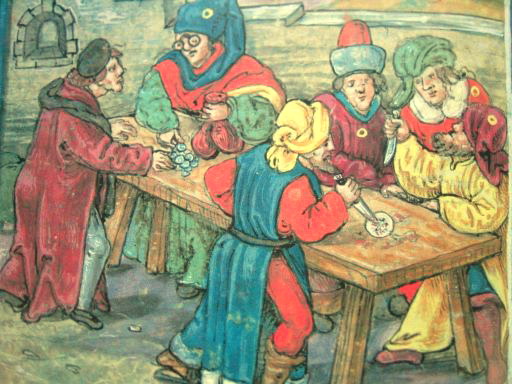
Depiction of Host Desecration in Sternberg, Germany (1492). Diebold Schilling the Younger [Public domain], via Wikimedia Commons
Concise video lecture describing the four main expressions of antisemitic ideology in the medieval period.  Warning: images are disturbing.


Breaking the history of antisemitism into four major periods (Ancient Xenophobia, Early Christian Anti-Judaism, Medieval Jew-hatred, and Modern Antisemitism), Dr. Abramson focusses on the third period to look at the ideological basis for the false charges of ritual murder, blood libel, and desecration of the host, ending with a discussion of the Judensau image.

“Give me Yavne and its Sages!” Lectures resume this week with a presentation on Rabban Yohanan ben Zakkai

Yavne

The Jewish Biography as History series at the Young Israel of Bal Harbour continues this week with a presentation on Rabban Yohanan ben Zakkai, a major figure whose bold and heroic leadership rescued the Jewish people from the threat of national oblivion in the wake of the destruction of Jerusalem in the first century.

Lectures are scheduled for Wednesday nights at 8:00 pm and are free an open to the community.

The schedule of lectures for the Fall 2014 season is now online.

**********

Enjoy the lectures? You might enjoy one of Dr. Abramson’s books:

kof cover DMA_Fotor

Rambam Cover

The Sea of Talmud

A Prayer for the Government: Ukrainians and Jews in Revolutionary Times, 1917-1920.

The Art of Hatred: Images of Intolerance in Florida Culture

rtt2

Jews in the Medieval Economy (Essential Lectures in Jewish History)

Jewish Man in Worms, Germany, 16th c. Source: Wikimedia Commons.

An introductory lecture on the role of Jews in the medieval economy. Part of the Essential Lectures in Jewish History series.

Liked the Free Download of The Kabbalah of Forgiveness? How about writing a review?

kof cover DMA_Fotor

I’m so glad that so many of you decided to download my latest book, “The Kabbalah of Forgiveness: The Thirteen Levels of Mercy in Rabbi Moshe Cordovero’s Date Palm of Devorah (Tomer Devorah).”  I’m also very grateful that many of you have found this work meaningful, especially in the rare moment of the season of repentance that we are enjoying for a few more days.

If you have time to jot down a few words describing your thoughts about the book (any highly superlative praise will do), perhaps you would consider going online and letting other potential readers know?  Here’s a few links:

Amazon

ITunes

Barnes & Noble

Smashwords

And if you haven’t had a chance to download a copy for yourself, don’t worry: the free offer extends until the 19th of October.  Please visit smashwords and enter coupon code YT52E.

Do you prefer a hard copy? Please visit one of these booksellers:

Hard copy at Createspace

Hard copy at Amazon

Hard copy Barnes & Noble

Thanks and enjoy in good health!

The Rishonim (Essential Lectures in Jewish History)

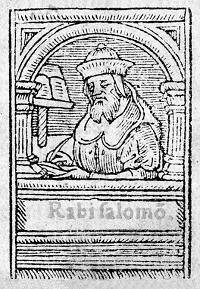
Rashi (Woodcut, France 1539)

This lecture serves as an introduction to the Rishonim, a body of Rabbinic scholars associated with the 9th through the 15th centuries of the common era. Part of the Essential Lectures in Jewish History series.

Image source: Wikimedia Commons.

Fall 2014 Lectures in Jewish History at Young Israel

YIBH Flyer 2


Wednesday Nights at 8:00 pm


October 22: Rabbi Yohanan ben Zakkai

October 29: Salome

November 5: Bar Kokhba

November 12: Shimon bar Yochai

November 19: Abaye’s Mother

November 26: Eldad the Danite

December 3: Aaron of Lincoln

December 10: Amnon of Mayence

December 17: Abraham ibn Ezra

December 24: Qasmunah


All lectures are free and open to the community.

Lecturer: Dr. Henry (Hillel) Abramson

No hard questions, please.

The Chofetz Chaim (This Week in Jewish History)

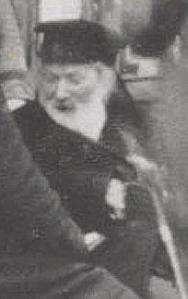
Israel Meir Kagan (photo courtesy Baruch Chafetz via Wikimedia Commons)

Brief video highlighting the life and work of Rabbi Israel Meir Kagan (1838-1936), one of the most influential Rabbis of the 20th century.  Better known as the Chofetz Chaim (*one who desires life,” taken from Psalm 34).


The Kabbalah of Forgiveness: Conclusion

level-1

Conclusion

“The Insulted King,” Illustration of Level 1 by Rebecca Odessa, Courtesy The Wisdom Daily

Rabbi Cordovero’s Conclusion

עַד כַּאן הִגִּיעַ שְׁלֹשׁ עֶשְׂרֵה מִדּוֹת שֶׁבָּהֶן יִהְיֶה הָאָדָם דּוֹמֶה אֶל קוֹנוֹ שֶׁהֵן מִדּוֹת שֶׁל רַחֲמִים עֶלְיוֹנוֹת וּסְגֻלָּתָן כי כְּמוֹ שֶׁיִּהְיֶה הָאָדָם מִתְנַהֵג לְמַטָּה כָּךְ יִּזְכֶּה לִפְתֹּחַ לוֹ מִדָּה עֶלְיוֹנָה מִלְמַעְלָה מַמָּשׁ כְּפִי מַה שֶּׁיִּתְנַהֵג כָּךְ מַשְׁפִּיעַ מִלְמַעְלָה וְגוֹרֵם שֶׁאוֹתָהּ הַמִּדָּה תָּאִיר בָּעוֹלָם. וּלְכָךְ אַל יָלֻזוּ מֵעֵינֵי הַשֵּׂכֶל שְׁלֹשׁ עֶשְׂרֵה מִדּוֹת אֵלּוּ וְהַפָּסוּק לֹא יָסוּף מִפִּיו כְּדֵי שֶׁיִּהְיֶה לוֹ לְמַזְכֶּרֶת כַּאֲשֶׁר יָבֹא לוֹ מַעֲשֵׂה שֶׁיִּצְטָרֵךְ לְהִשְׁתַּמֵּשׁ בְּמִדָּה אַחַת מֵהֶן יִזְכֹּר וְיֹאמַר הֲרֵי דָּבָר זֶה תָּלוּי בְּמִדָּה פְּלוֹנִית אֵינִי רוֹצֶה לָזוּז מִמֶּנָּה שֶׁלֹּא תִתְעַלֵּם וְתִסְתַּלֵּק הַמִּדָּה הַהִיא מִן הָעוֹלָם:

 Translation

 This concludes the Thirteen Levels, by which a human may imitate the Creator, which are the Higher Levels of Mercy. Their precious value: if one behaves according to them in this world, this will open up the corresponding level on high. Precisely as one behaves, one will cause the flow from above, and cause that level to illuminate the world.

Therefore one should not lose consciousness of these Thirteen Levels, and the verse should not leave one’s mouth, so that it will serve as a reminder. When one encounters a situation when one needs to employ one of the levels, let one remember and say “behold, this matter requires the use of this level, and I do not wish to move away from it, such that this level not be hidden or removed from the Universe.”

Print version: $18.99

Ebook: $5.99

kof cover DMA_Fotor

Back to Introduction

Create a website or blog at WordPress.com

Up ↑