Really looking forward seeing my friends at YILC!

Lectures in Jewish History and Thought. No hard questions, please.
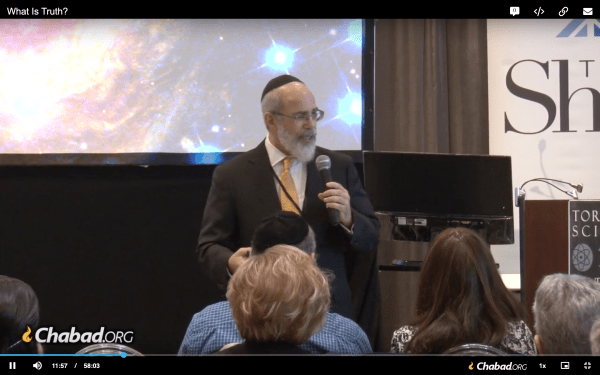


JEWISH HISTORY @ AVENUE J A Community Project of the Lander College of Arts and Sciences Monday Evenings, 7-8 pm, 1602 Avenue J, Brooklyn NY 11230 Beginning October 19, 2015 Open to the Community Separate Seating All Lectures are Free of Charge

Free for the High Holiday Season: a free download of The Kabbalah of Forgiveness, a translation and commentary of Rabbi Moshe Cordovero’s Tomer Devorah. Especially valuable reading in preparation for Yom Kippur! To download, visit https://www.smashwords.com/books/view/464044 and enter coupon code BQ57Y, valid through October 7, 2015. If you really must have a hard copy, visit Amazon…

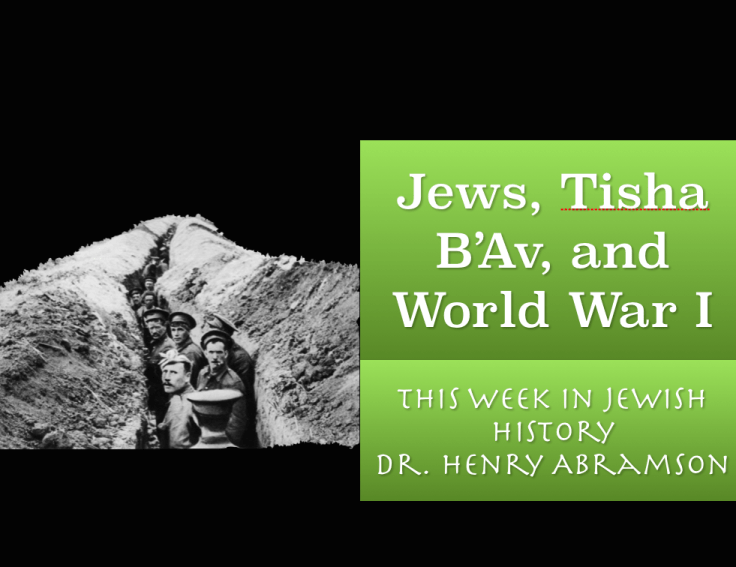
Brief discussion of the anniversary of Tisha B’Av, the onset of World War I, and its implications for Jewish History.
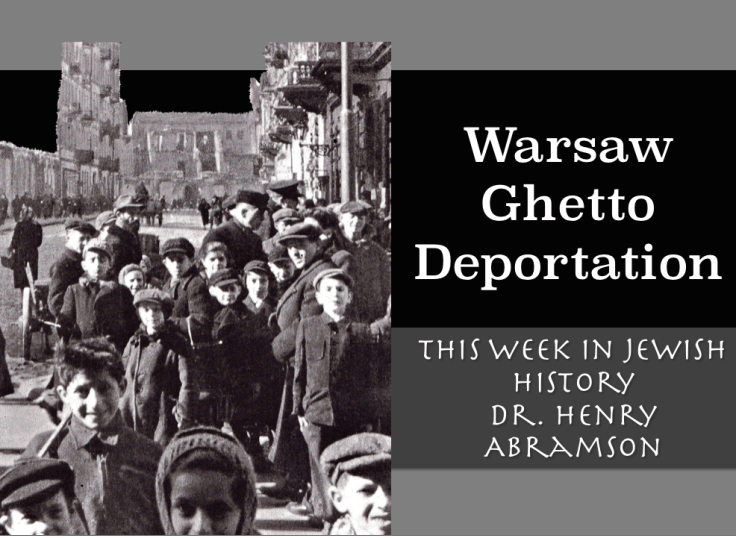
In July of 1942 (coinciding with Av 5702), the Nazis began a major deportation of Jews from the Warsaw ghetto to the Treblinka concentration camp. By September, 235,000 Warsaw Jews were murdered in the gas chambers.

Rashi (Rabbi Shlomo ben Yitshak) was a great 11th century commentator on the Torah. This brief video outlines his major scholarly contribution within historical context.

Viktor Frankl was a noted psychologist whose experience in the Holocaust formed the basis of logotherapy, his therapeutic approach to help people find meaning in suffering and in life.

A brief biography of Sigmund Freud, with emphasis on his Jewish background and identity. Part of the Jewish Biography as History Series, more available at http://www.henryabramson.com.

An introduction to the major themes in modern antisemitic ideology (1880-present). Warning: not quite as nasty as the lecture on medieval antisemitism, but disturbing nevertheless. Part of the Essential Lectures in Jewish History series, more available at http://www.henryabramson.com.

Rabbi Yosef Yitzchak Schneerson, also known as “Der Frierdiker Rebbe” (The Earlier Rebbe) to distinguish him from his successor, Rabbi Menachem Mendel Schneerson, was the sixth leader of the Chabad-Lubavitch movement. Living in tumultuous times, he shifted the center of the movement from its Eastern European origins to its current headquarters in the United States.


Wednesday Nights at 8:00 pm October 22: Rabbi Yohanan ben Zakkai October 29: Salome November 5: Bar Kokhba November 12: Shimon bar Yochai November 19: Abaye’s Mother November 26: Eldad the Danite December 3: Aaron of Lincoln December 10: Amnon of Mayence December 17: Abraham ibn Ezra December 24: Qasmunah All lectures…

Brief video highlighting the life and work of Rabbi Israel Meir Kagan (1838-1936), one of the most influential Rabbis of the 20th century. Better known as the Chofetz Chaim (*one who desires life,” taken from Psalm 34).

Conclusion “The Insulted King,” Illustration of Level 1 by Rebecca Odessa, Courtesy The Wisdom Daily Rabbi Cordovero’s Conclusion עַד כַּאן הִגִּיעַ שְׁלֹשׁ עֶשְׂרֵה מִדּוֹת שֶׁבָּהֶן יִהְיֶה הָאָדָם דּוֹמֶה אֶל קוֹנוֹ שֶׁהֵן מִדּוֹת שֶׁל רַחֲמִים עֶלְיוֹנוֹת וּסְגֻלָּתָן כי כְּמוֹ שֶׁיִּהְיֶה הָאָדָם מִתְנַהֵג לְמַטָּה כָּךְ יִּזְכֶּה לִפְתֹּחַ לוֹ מִדָּה עֶלְיוֹנָה מִלְמַעְלָה מַמָּשׁ כְּפִי מַה שֶּׁיִּתְנַהֵג כָּךְ מַשְׁפִּיעַ מִלְמַעְלָה…

The Thirteenth Level: The Moment of Innocence “The Moment of Innocence,” illustration of Level 13 by Rebecca Odessa, Courtesy The Wisdom Daily The Thirteenth Level: The Moment of Innocence Translator’s Introduction The Thirteenth and final Level of mercy carries an absolute guarantee: one who masters this level can forgive anyone. The Thirteenth Level renders all…

The Twelfth Level: Remember Where They Came From “Family Tree (Remember Where They Came From),” illustration of Level 12 by Rebecca Odessa, Courtesy The Wisdom Daily The Twelfth Level: Remember Where They Came From Translator’s Introduction The final element of the triad is Level Twelve. In Level Ten we…

The Eleventh Level: Do More for Those Who Do More “Serve and Protect (Do More for Those Who Do More),” illustration of Level 11 by Rebecca Odessa, Courtesy The Wisdom Daily The Eleventh Level: Do More for Those Who Do More Translator’s Introduction The second part of the triad of Levels Ten, Eleven and Twelve…

The Tenth Level: Do the Right Thing Anyway “The Hook (Do the Right Thing Anyway),” illustration of Level 10 by Rebecca Odessa, Courtesy The Wisdom Daily The Tenth Level: Do the Right Thing Anyway Translator’s Introduction The Tenth, Eleventh and Twelfth Levels together comprise a triad of strategies for forgiving others, particularly people with whom…

The Ninth Level: Bury the Past “The Scapegoat (Bury the Past),” illustration of Level 9 by Rebecca Odessa, Courtesy The Wisdom Daily The Ninth Level: Bury the Past Translator’s Introduction The Ninth Level of Mercy addresses a principal common to both Kabbalah and physics: energy never dissipates of its own accord; rather it is redirected…

The Eighth Level: Maintain a Core of Love “Maintain a Core of Love,” illustration of Level 8 by Rebecca Odessa, Courtesy The Wisdom Daily The Eighth Level: Maintain a Core of Love Rabbi Cordovero expands upon the metaphysics of forgiveness in the Eighth Level. God preserves a core region of positive regard for every human…

The Seventh Level: A Knot is Stronger “Building a Fence (A Knot is Stronger),” Illustration of Level 7 by Rebecca Odessa, Courtesy The Wisdom Daily The Seventh Level: A Knot is Stronger Translator’s Introduction Rabbi Cordovero begins the Seventh Level of Mercy with a well-known teaching from the Talmud (Berakhot 34b): “in a place where penitents…

The Sixth Level: Who Makes Your Lunch? “Who Makes Your Lunch?” illustration of Level 6 by Rebecca Odessa, Courtesy The Wisdom Daily The Sixth Level: Who Makes Your Lunch? Translator’s Introduction The Sixth Level begins with a deeply mystical passage in Ezekiel, set in the years immediately prior to the 6th century BCE destruction of…

The Fifth Level: Release the Anger “Release the Anger,” illustration of Level 5 by Rebecca Odessa, Courtesy The Wisdom Daily The Fifth Level: Release the Anger Translator’s Introduction The prophet Zechariah portrays God as a shepherd with two staffs: one is called “pleasantness” (נאם) and the other is called “woundings” (חובלים). In his commentary on Date…