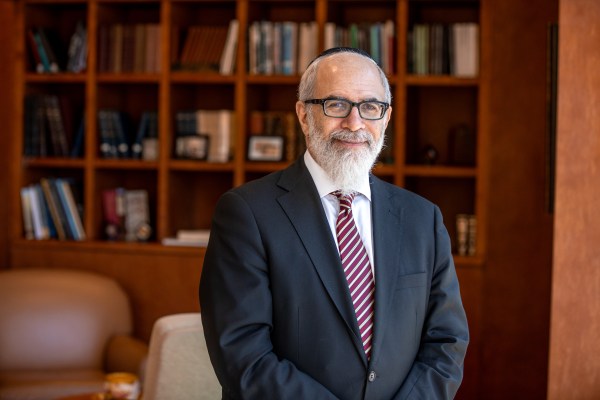
Really looking forward to meeting this community!
Lectures in Jewish History and Thought. No hard questions, please.


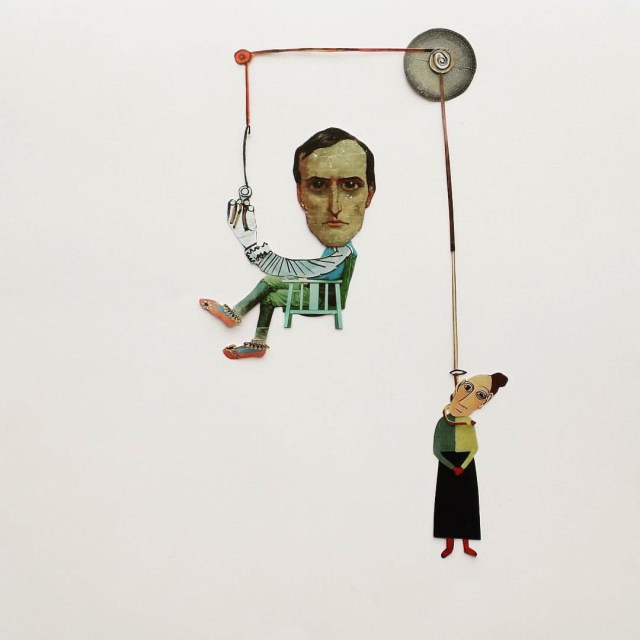

The Tenth Level: Do the Right Thing Anyway “The Hook (Do the Right Thing Anyway),” illustration of Level 10 by Rebecca Odessa, Courtesy The Wisdom Daily The Tenth Level: Do the Right Thing Anyway Translator’s Introduction The Tenth, Eleventh and Twelfth Levels together comprise a triad of strategies for forgiving others, particularly people with whom…

The Ninth Level: Bury the Past “The Scapegoat (Bury the Past),” illustration of Level 9 by Rebecca Odessa, Courtesy The Wisdom Daily The Ninth Level: Bury the Past Translator’s Introduction The Ninth Level of Mercy addresses a principal common to both Kabbalah and physics: energy never dissipates of its own accord; rather it is redirected…

The Eighth Level: Maintain a Core of Love “Maintain a Core of Love,” illustration of Level 8 by Rebecca Odessa, Courtesy The Wisdom Daily The Eighth Level: Maintain a Core of Love Rabbi Cordovero expands upon the metaphysics of forgiveness in the Eighth Level. God preserves a core region of positive regard for every human…
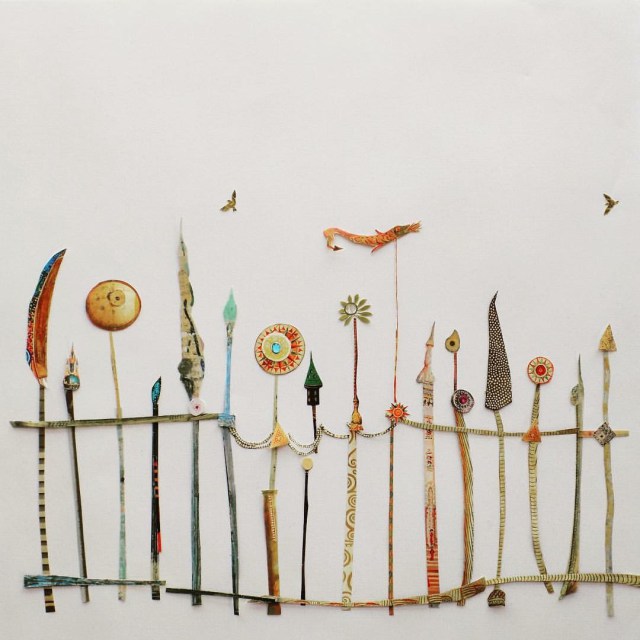
The Seventh Level: A Knot is Stronger “Building a Fence (A Knot is Stronger),” Illustration of Level 7 by Rebecca Odessa, Courtesy The Wisdom Daily The Seventh Level: A Knot is Stronger Translator’s Introduction Rabbi Cordovero begins the Seventh Level of Mercy with a well-known teaching from the Talmud (Berakhot 34b): “in a place where penitents…

The Sixth Level: Who Makes Your Lunch? “Who Makes Your Lunch?” illustration of Level 6 by Rebecca Odessa, Courtesy The Wisdom Daily The Sixth Level: Who Makes Your Lunch? Translator’s Introduction The Sixth Level begins with a deeply mystical passage in Ezekiel, set in the years immediately prior to the 6th century BCE destruction of…
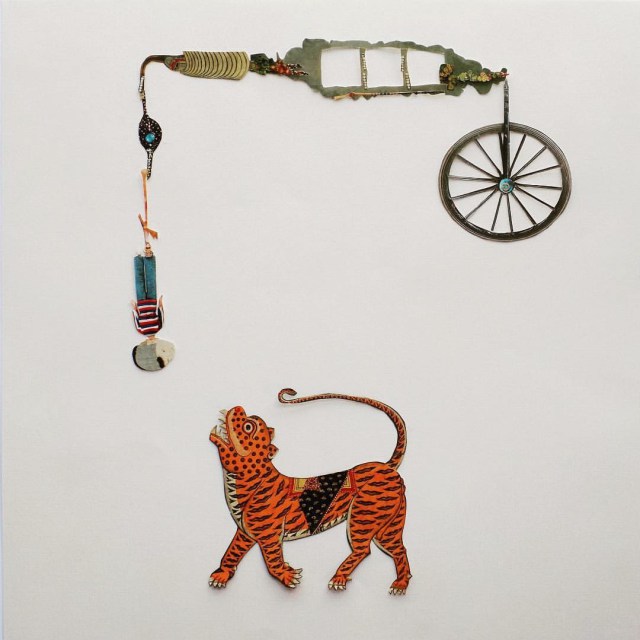
The Fifth Level: Release the Anger “Release the Anger,” illustration of Level 5 by Rebecca Odessa, Courtesy The Wisdom Daily The Fifth Level: Release the Anger Translator’s Introduction The prophet Zechariah portrays God as a shepherd with two staffs: one is called “pleasantness” (נאם) and the other is called “woundings” (חובלים). In his commentary on Date…

The Fourth Level: Remember the Family “In the Same Boat (Remember We are Family),” illustration of Level 4 by Rebecca Odessa, Courtesy The Wisdom Daily The Fourth Level: Remember the Family Translator’s Introduction The Fourth Level of Mercy calls attention to the fundamental connectedness of humanity. The Jewish people in particular maintain a strong familial…
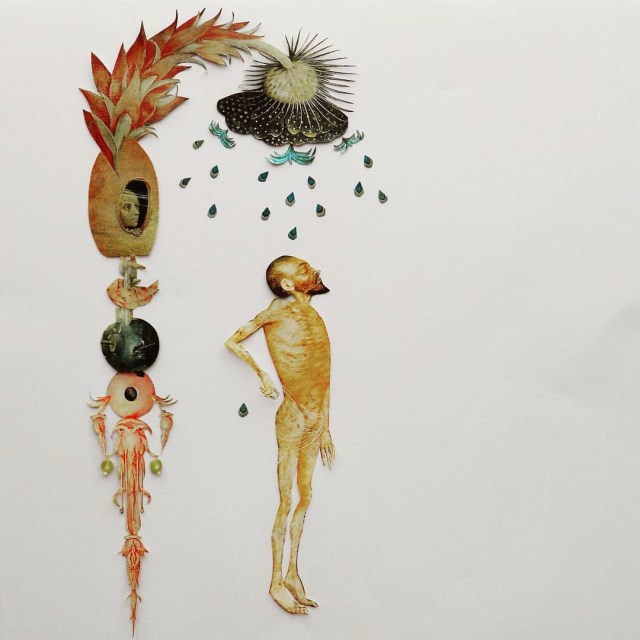
The Third Level: Take Care of it Personally “Part of the Process (Take Care of it Personally),” illustration of Level 3 by Rebecca Odessa, Courtesy The Wisdom Daily The Third Level: Take Care of It Personally Translator’s Introduction The Third Level of Mercy addresses the personal role that God plays in the process of forgiveness. Rather…
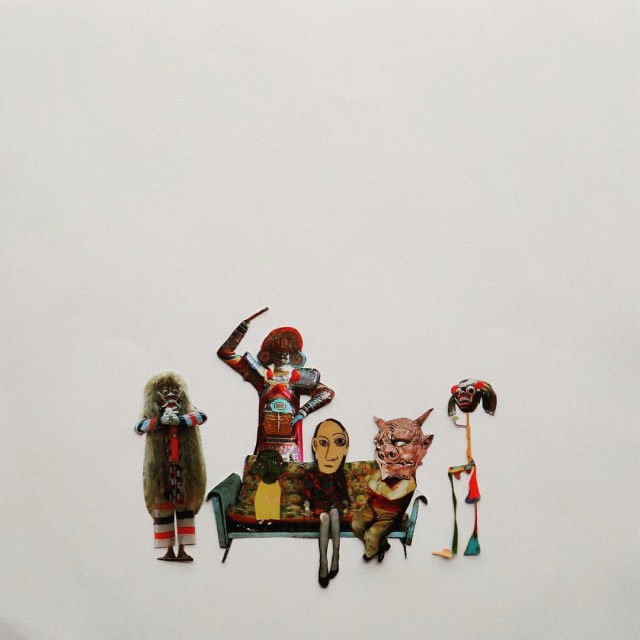
The Second Level: Let it Go for Now “Whose K’tegors are These? (Let it Go)” Illustration of Level 2 by Rebecca Odessa, Courtesy The Wisdom Daily The Second Level: Let it Go for Now The second of the Thirteen Levels, “Who Bears Sin,” describes a degree of mercy that is even more profound than…
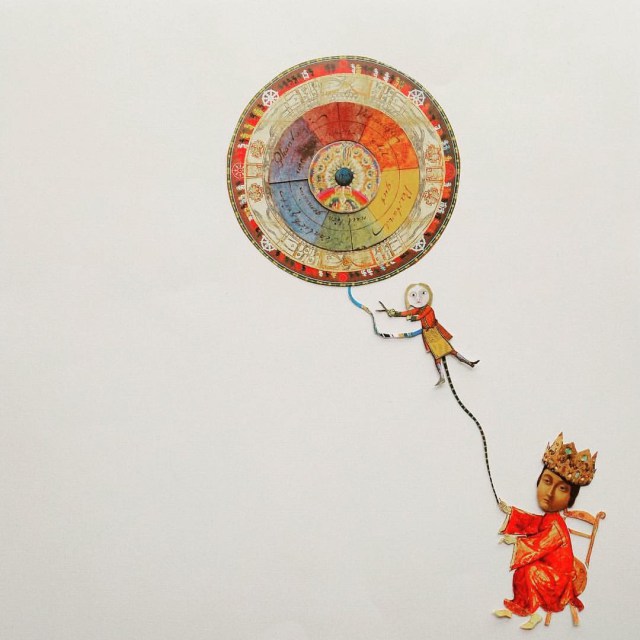
The First Level: The King who Endures Insult “The Insulted King,” illustration of Level 1 by Rebecca Odessa, Courtesy The Wisdom Daily Translator’s Introduction Rabbi Cordovero’s discussion of the Thirteen Levels of Mercy begins with an awesome depiction of human sin from God’s perspective. Given that all power in the Universe has God at…
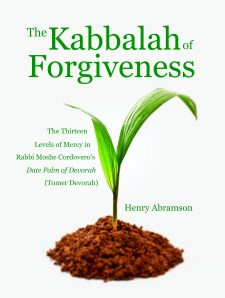
Please visit https://www.smashwords.com/books/view/464044 and enter coupon code YT52E (Expires October 19, 2014). Please click here for excepts and supporting videos.
New for the Season of Repentance: a translation and modern commentary on Rabbi Moshe Cordovero’s classic of Jewish ethics, the Date Palm of Devorah (Tomer Devorah). Learn the Thirteen Levels of Mercy and discover how to forgive others (and yourself). Please visit http://www.jewishhistorylectures.org and click on “The Kabbalah of Forgiveness” for excerpts and videos. Publication date:…

Hello everyone: my son Alexander is once again training to run the ING Miami Marathon to raise funds for Friendship Circle, a non-profit organization that helps children, teens and adults with special needs. Alexander is an avid runner with a long history of running for charitable causes: in 2010 he ran his first half-marathon (at…

Emerging from the sixteenth-century Safed Circle of Jewish mystics, Rabbi Isaac Luria (the Arizal) was a pivotal figure in the history of Kabbalah. His influence on later Jewish movements, in particular Hasidism, is still felt to this day. Part of the Jewish Biography as History lecture series by Dr. Henry Abramson.

David Reubeni was one of the most colorful messianic figures of Jewish history. A little person with a shady background, he was received with dignity by Popes and Kings in the fifteenth century, regaling them with tales of the Jews of the east and promising them great military victories should they enlist his service. He…

Nahmanides (Rabbi Moshe ben Nahman, or Ramban) was one of the most important thinkers of Jewish history. Brilliantly creative and intellectually courageous, his commentary on the Torah is widely studied eight centuries after his passing. Part of the Jewish Biography as History series by Dr. Henry Abramson.

American-born Henrietta Szold was an extremely influential Zionist leader and organizer, founder of Hadassah, the Women’s Zionist Organization of America. To view the Prezi associated with this video, click here.

Nicholas Donin was an erstwhile Talmudic scholar who converted to Christianity and made a career of denouncing the Talmud. His charges, brought before the Pope, resulted in a massive destruction of priceless Jewish manuscripts in Paris, 1242. Part of the Jewish Biography as History lecture series by Dr. Henry Abramson.
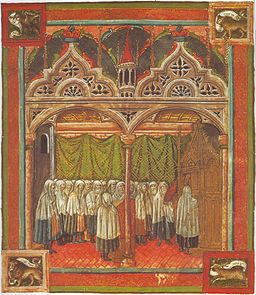
Rabenu Gershom, Me’or Ha-Golah (Our Teacher Gershom, Light of the Exile) was one of the most influential Jewish legislators of the High Middle Ages, affecting a wide variety of Jewish practices including monogamy, divorce law, and the right to privacy. Part of the Jewish Biography as History lecture series by Dr. Henry Abramson.

Yocheved was the daughter of one of Judaism’s greatest scholars: Rabbi Shlomo Yitzhaki, better known as Rashi. A fascinating woman in her own right, this lecture will survey some of the references to Yocheved (and her illustrious sisters) and what light this sheds on the history of medieval Jewish women.

To view the Prezi associated with this lecture, please click here. http://www.youtube.com/watch?v=1OnArXdHQdc

L.L. Zamenhof (1859-1917) was a Polish Jew who invented the world’s most successful artificial language, Esperanto. Conceived as a vehicle for world peace, Esperanto is even regarded by the Oomoto religion of Japan as the “language of heaven.”
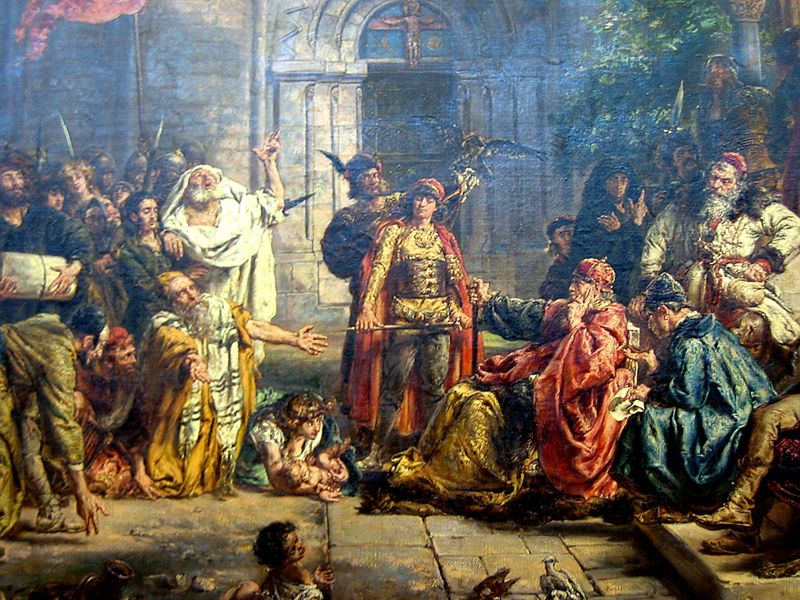
This week marks the death anniversary of King Boleslaw V (The Chaste) in 1279. Boleslaw followed the tradition of his predecessors in Poland by creating incentives for Jewish settlement in Poland, including the establishment of Magdeburg Recht. Ultimately, these policies proved extremely attractive to Ashkenazi Jews from the Rhineland, making Poland a great center of…