The Kabbalah of Forgiveness Level Two: Let it Go for Now

level-2

The Second Level: Let it Go for Now

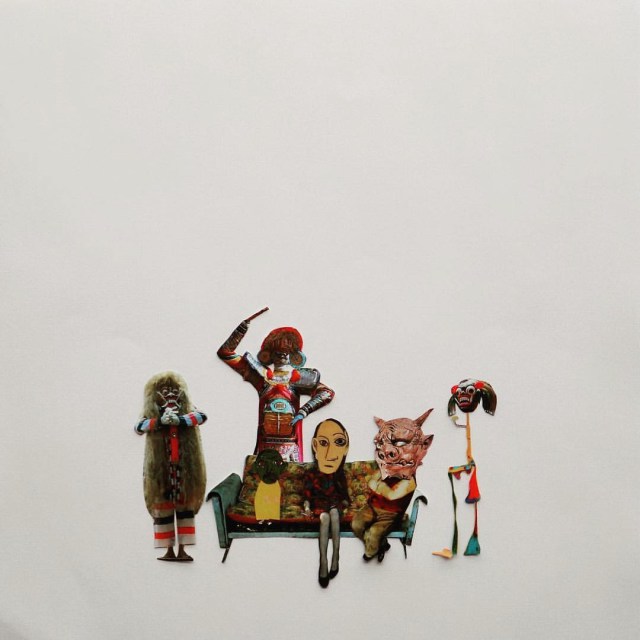
“Whose K’tegors are These? (Let it Go)” Illustration of Level 2 by Rebecca Odessa, Courtesy The Wisdom Daily

The Second Level: Let it Go for Now


The second of the Thirteen Levels, “Who Bears Sin,” describes a degree of mercy that is even more profound than the previous Level. In the Second Level, Rabbi Cordovero outlines the metaphysical consequence of sin: with every hurtful act, a negative entity is created, a kind of energy debt that demands payment from its human creator. This being, called a “prosecutor” or “destroyer” in Rabbinic literature, affixes itself like a spiritual leech to the person who made it and draws its vitality from its human source. Were the destroyer to take the energy it needs to exist from the human who created it, the results would be disastrous.

The Second Level of Mercy demonstrates how God overlooks the fact that the prosecutor was born from an act of rebellion against God’s will, and directs the prosecutor to delay exacting its due from the human being.  Just as we saw in the First Level of Mercy, in which God continued to provide energy to people despite their wrongful deeds, in the Second Level God even provides energy to the destroyers, stepping in and providing life-giving forbearance until the human being may address the debt of sin in an appropriate fashion.

The Kabbalistic content of Date Palm of Devorah deepens with the Second Level, yet Rabbi Cordovero nevertheless concludes with a discussion of the human applications of the principles inherent in “Who Bears Sin.”

הַשנית – נוֹשֵׂא עָוֹן

וַהֲרֵי זֶה גָּדוֹל מֵהַקֹּדֶם שֶׁהֲרֵי לֹא יַעֲשֶׂה הָאָדָם עָוֹן שֶׁלֹּא יִבָּרֵא מַשְׁחִית כְּדִתְנַן הָעוֹשה עֲבֵרָה אַחַת קֹנֶה לוֹ קָטֵגוֹר אֶחָד וַהֲרֵי אוֹתוֹ קַטֵּגוֹר עוֹמֵד לִפְנֵי הב”ה  וְאוֹמֵר פְּלוֹנִי עֲשָׂאַנִי, וְאֵין בְּרִיָּה מִתְקַיֶּמֶת בָּעוֹלָם אֶלָּא בְּשִׁפְעוֹ שֶׁל הב”ה  וַהֲרֵי הַמַּשְׁחִית הַזֶּה עוֹמֵד לְפָנָיו וּבַמֶּה מִתְקַיֵּם.

הַדִּין נוֹתֵן שֶּׁיֹּאמַר הב”ה  אֵינִי זָן מַשְׁחִיתִים יֵלֵךְ אֵצֶל מִי שֶׁעֲשָׂאוֹ וְיִתְפַּרְנֵס מִמֶּנּוּ וְהָיָה הַמַּשְׁחִית יוֹרֵד מִיַּד וְנוֹטֵל נִשְׁמָתוֹ אוֹ כוֹרְתוֹ אוֹ נֶעֱנַשׁ עָלָיו כְּפִי עָנְשׁוֹ עַד שֶׁיִּתְבַּטֵּל הַמַּשְׁחִית הַהוּא, וְאֵין הב”ה  עוֹשֶׂה כֵן אֶלָּא נוֹשֵׂא וְסוֹבֵל העון וּכְמוֹ שֶׁהוּא זָן הָעוֹלָם כֻּלּוֹ זָן וּמְפַרְנֵס הַמַּשְׁחִית הַזֶּה עַד שֶׁיִּהְיֶה אֶחָד מִשְּׁלֹשָׁה דְּבָרִים, אוֹ שֶׁיָּשׁוּב הַחוֹטֵא בִּתְשׁוּבָה ויאכילהו וִיבַטְּלֵהוּ בְּסִגֻּפָיו, אוֹ יְבַטְּלֵהוּ שׁוֹפֵט צֶדֶק בְּיִסּוּרִים וּמִיתָה, אוֹ יֵלֵךְ בַּגֵּיהִנֹּם וְשָׁם יִפְרַע חוֹבוֹ. וְהַיְנוּ שֶׁאָמַר קַיִן גָּדוֹל עֲוֹנִי מִנְּשׂוֹא וּפֵרְשׁוּ רז”ל כָּל הָעוֹלָם כֻּלּוֹ אַתָּה סוֹבֵל יֵרָצֶה זָן וּמְפַרְנֵס, וַעֲוֹנִי כָבֵד שֶׁאֵין אַתָּה יָכוֹל לְסוֹבְלוֹ פֵּרוּשׁ לְפַרְנְסוֹ עַד שֶׁאָשׁוּב וַאֲתַקֵּן.

אִם כֵּן הֲרֵי זֶה מִדַּת סַבְלָנוּת גְּדוֹלָה שֶׁיָּזוּן וּמְפַרְנֵס בְּרִיָּה רָעָה שֶׁבָּרָא הַחוֹטֵא עַד שֶׁיָּשׁוּב.

יִלְמֹד הָאָדָם כַּמָּה צָרִיךְ שֶׁיִּהְיֶה סַבְלָן לִסְבֹּל עֹל חֲבֵרוֹ וְרָעוֹתָיו שֶׁהֵרִיעַ לו עַד שִׁעוּר כָּזֶה שֶׁעֲדַיִן רָעָתוֹ קַיֶּמֶת, שֶׁחָטָא נֶגְדּוֹ וְהוּא יִסְבֹּל עַד יְתַקֵּן חֲבֵרוֹ אוֹ עַד שֶׁיִּתְבַּטֵּל מֵאֵלָיו וְכַיּוֹצֵא:

Translation


The Second Level

Who Bears Sin

            This Level is greater than the First Level, for behold, a person does not transgress without creating a destroyer, as it is taught, “One who commits a specific transgression acquires a specific prosecutor.” The prosecutor stands before God and says, “this person made me!” Since no creature in the universe can exist without receiving energy from God, how can this destroyer be sustained when it too stands before God?

It would be reasonable for God to say, “I do not sustain destroyers—go to the one who created you, and take your sustenance from him!” The destroyer would then immediately go down and take the person’s life, or excise him, or otherwise punish him until that destructive force would be neutralized. God does not do this. Instead, God bears and tolerates the sin, just as God sustains the entire world. God continues to feed and sustain this destroyer until one of three things happen: either the sinner repents, thus destroying and nullifying the destroyer with his self-affliction, or the True Judge nullifies it through the suffering and death of the sinner, or the sinner goes to Gehinnom and there fulfills his debt. This is the meaning of what Cain said: “is my sin too great to bear?” The Rabbis explained this to mean, “You tolerate the entire world,” meaning feeding and sustaining Creation. “Is my sin so heavy, that You cannot bear it?” Meaning, can You not sustain my sin as well, until I may repent and repair the damage?

            Thus this is a great Level of tolerance, that God feeds and sustains the evil creature that the sinner created until the sinner repents.

A person should learn the necessity of tolerance, enduring offense from others and whatever harm they caused.  Even when the harm persists, one should be patient and allow a person to repair the damage or wait until it resolves of its own accord, and so on.


The Kabbalah of Forgiveness is now available.

Print version: $18.99

Ebook: $5.99

kof cover DMA_Fotor

Back to Introduction

The Kabbalah of Forgiveness Level One: The King Who Endures Insult

level-1

The First Level: The King who Endures Insult

“The Insulted King,” illustration of Level 1 by Rebecca Odessa, Courtesy The Wisdom Daily


Translator’s Introduction

Rabbi Cordovero’s discussion of the Thirteen Levels of Mercy begins with an awesome depiction of human sin from God’s perspective.

Given that all power in the Universe has God at its source, even the energy used by human beings in their affairs, it follows that when a person transgresses God’s will, he or she inevitably makes use of that very same Divine vitality to rebel against the One who provided it.  By analogy, this is like a servant who receives a walking stick from his employer with instructions to undertake a journey, and the servant immediately uses the walking stick to beat his master. What a grievous insult! Nevertheless, God endures this insult, and continues to provide life-sustaining energy to human beings, even when they misdirect that energy to defy God’s will.

The first of the Thirteen Levels of Mercy is taken from the beginning of Micah 7:18: Who is like You, God. Rabbi Cordovero outlines the parameters of the first Level, and then indicates some ways in which human beings may emulate the Divine forgiveness that continues to provide life-sustaining energy even when we transgress.

הָאחת – מִי אֵל כָּמוֹךָ

מוֹרֶה עַל הֱיוֹת הב”ה מֶלֶךְ נֶעֱלַב, סוֹבֵל עֶלְבּוֹן מַה שֶׁלֹּא יְכִילֵהוּ רַעְיוֹן. הֲרֵי אֵין דָּבָר נִסְתָּר מֵהַשְׁגָּחָתוֹ בְּלִי סָפֵק, וְעוֹד אֵין רֶגַע שֶׁלֹּא יִהְיֶה הָאָדָם נִזּוֹן וּמִתְקַיֵּם מִכֹּחַ עֶלְיוֹן הַשּׁוֹפֵעַ עָלָיו, וַהֲרֵי תִּמְצָא שֶׁמֵּעוֹלָם לֹא חָטָא אָדָם נֶגְדּוֹ שֶׁלֹּא יִהְיֶה הוּא בְּאוֹתוֹ הָרֶגַע מַמָּשׁ שׁוֹפֵעַ עליו שֶׁפַע קִיּוּמוֹ וּתְנוּעַת אֵבָרָיו, ועִם הֱיוֹת שֶׁהָאָדָם חֹטֵא בַכֹּחַ הַהוּא לֹא מְנָעוֹ מִמֶּנּוּ כְּלָל אֶלָּא סבל הב”ה  עֶלְבּוֹן כָּזֶה לִהְיוֹת מַשְׁפִּיעַ בּוֹ כֹּחַ תְּנוּעת אֵבָרָיו, וְהוּא מוֹצִיאן אוֹתוֹ כֹּחַ בְּאוֹתוֹ רֶגַע בְּחֵטְא וְעָוֹן וּמַכְעִיס וְהב”ה  סוֹבֵל. וְלֹא תֹאמַר שֶׁאֵינוֹ יָכוֹל לִמְנוֹעַ מִמֶּנּוּ הַטּוֹב הַהוּא ח”ו שֶׁהֲרֵי בְכֹחוֹ בְּרֶגַע כְּמֵימְרָה לְיַבֵּשׁ יָדָיו וְרַגְלָיו כְּעֵין שֶׁעָשָׂה לְיָרָבְעָם, וְעִם כָּל זֹאת שֶׁהַכֹּחַ בְּיָדוֹ לְהַחְזִיר הַכֹּחַ הַנִּשְׁפָּע הַהוּא וְהָיָה לוֹ לוֹמַר כֵּיוָן שֶׁאַתָּה חֹטֵא נֶגְדִּי תֶּחֱטָא בְּשֶׁלְּךָ לֹא בְשֶׁלִּי,  לא תחטא נגדי, לֹא מִפְּנֵי זֶה מָנַע טוּבוֹ מִן הָאָדָם אֶלָּא סָבַל עֶלְבּוֹן, וְהִשְׁפִּיעַ הַכֹּחַ וְהֵטִיב לְאָדָם טוּבוֹ. הֲרֵי זֶה עֶלְבּוֹן וְסַבְלָנוּת מַה שֶׁלֹּא ישוער וְעַל זֶה קוֹרְאִים מַלְאֲכֵי הַשָּׁרֵת לְהב”ה  מֶלֶךְ עָלוּב וְהַיְנוּ אוֹמְרוֹ מִי אֵל כָּמוֹךָ, אַתָּה אֵל בַּעַל חֶסֶד הַמֵּטִיב, אֵל בַּעַל כֹּחַ לִנְקֹם וְלֶאֱסֹף אֶת שֶׁלְּךָ, וְעִם כָּל זֹאת אַתָּה סוֹבֵל וְנֶעֱלָב עַד יָשׁוּב בִּתְשׁוּבָה.

הֲרֵי זוֹ מִדָּה שֶׁצָּרִיךְ הָאָדָם לְהִתְנַהֵג בָּהּ רְצוֹנִי הַסַּבְלָנוּת וְכֵן הֱיוֹתוֹ נֶעֱלַב אֲפִלּוּ לְמַדְרֵגָה זוֹ וְעִם כָּל זֹאת לֹא יֶאֱסֹף טוֹבָתוֹ מִן הַמְּקַבֵּל:

Translation

The First Level

Who is God Like You

            This Level demonstrates that God is a King who endures insult to a degree that cannot be imagined. Behold, without doubt nothing is hidden from God’s awareness, and there is no moment when a human being is not nourished and sustained by the supernal power that descends from above. Therefore a person never sins against God without simultaneously receiving a sustaining flow of energy from God at the very moment of sin, animating the limbs. Despite the fact that the person uses this energy to sin, God does not withhold it in the least. Rather, God endures this insult and continues to provide the animating life force, even though the person abuses this power to sin, to rebel, and to attempt to anger God.  Still, God endures the insult.

            One cannot say that God does not have the power to withhold this energy from a person, Heaven forbid.  God has the power to shrivel a person’s hands and feet with a single word, as God did with Jeroboam (Kings I 13:4). Despite the fact that God has the power to reverse the flow of energy, saying, “Since you sin against Me—sin with your own power and not Mine,” God nevertheless does not withhold this benefit; rather, God endures the insult and continues to send the flow of power, providing the person with God’s goodness. Behold, this is a level of insult and tolerance that cannot be described.

            This is why the ministering angels refer to God as the Insulted King. This is the meaning of “Who is God like You.” You are a God of kindness and generosity, a God with the power to take vengeance and take back what is Yours, yet You show tolerance to insult until the person repents.

            Behold, this is a Level that one must emulate, meaning: tolerance. We must tolerate insult even to this degree and not retract the benefits we give to others.

The Kabbalah of Forgiveness is now available.

Print version: $12.99

(also available at Amazon)

Ebook: $3.99

(also available for Kindle, iPads, iPods and iPhonesother ebook readers and even PDF)

kof cover DMA_Fotor

Back to Introduction

Free Download of The Kabbalah of Forgiveness (Expires October 19, 2014)

kof cover DMA_Fotor


Please visit https://www.smashwords.com/books/view/464044 and enter coupon code YT52E (Expires October 19, 2014).

Please click here for excepts and supporting videos.


The Kabbalah of Forgiveness Coming in Time for Rosh Hashanah

New for the Season of Repentance: a translation and modern commentary on Rabbi Moshe Cordovero’s classic of Jewish ethics, the Date Palm of Devorah (Tomer Devorah). Learn the Thirteen Levels of Mercy and discover how to forgive others (and yourself). Please visit http://www.jewishhistorylectures.org and click on “The Kabbalah of Forgiveness” for excerpts and videos. Publication date: Rosh Hodesh Elul (August 26-27, 2014).

Rabbi Samson Raphael Hirsch (This Week in Jewish History)

Rabbi Samson Raphael Hirsch via Wikimedia Commons

Rabbi Samson Raphael Hirsch (1808-1888) articulated a strategy to allow Jews their traditional observances while participating actively in the modern world.  Criticized from both the left and the right, his thought remains highly influential into the 21st century.

Rabbi Hayim of Volozhin (This Week in Jewish History)

The Yeshiva of Volozhin via Wikimedia Commons

Founder of the famous Yeshiva of Volozhin, Rabbi Hayim ben Yitshad was one of the most influential proponents of traditional Talmudic study of the early 19th century.  The author of Nefesh haHayim, he articulated a cogent response to the growing Hasidic movement.

Nicholas Donin and the Disputation of 1240 (This Week in Jewish History)

1413-disputation (1)

In 1240 Nicholas Donin, a Jewish convert to Christianity, engaged in a public debate with his former teacher, Rabbi Yechiel of Paris. Donin charged that the Talmud was a noxious document that prevented the Jews from embracing Christianity, and brought a total of 35 distinct accusations against this ancient holy text. Ultimately, 24 carriage loads of Talmuds, representing 10,000 priceless manuscripts were burned in Paris on June 6, 1242.

Personal note to my subscribers: I was so impressed with the NCSY Learnathon that my son Alexander completed, that I decided to join on my own! Please visit http://learn.ncsy.org/learner/hmabramson/ to support this great organization that does so much for Jewish youth (and encourage me to study more Talmud)!

Jerusalem Day (This Week in Jewish History)

Jerusalem Day, 2004 via Wikimedia Commons

Jerusalem Day (Yom Yerushalayim) celebrates the unification of Jerusalem in the context of the Six-Day War of June 1967.  This dramatic military achievement represented a victory that was both political and symbolic, giving Jews control over the the Old City and the Temple Mount after nearly 2000 years of exile.

Alexander’s Learnathon for Israel: Last Week to Participate!

Alexander Abramson runs the 2013 ING Miami Marathon

Alexander has done well with his fundraising efforts to participate in the Boys Israel Leadership Training (BILT) program run by the National Council of Synagogue Youth.  He’s already raised $858 toward his goal of $3,000! To all of you who participated, thanks very much.  If you haven’t yet had a chance, please do so quickly, because the Learnathon ends on Friday, May 23!

Here’s a link to his fundraising page: http://learnathon.ncsy.org/learner/Alexander123/

If you prefer to mail a check, please be sure to indicate it’s for Alexander Abramson and send it to:

NCSY

11 Broadway, 14th Floor

New York, NY 10004

Thanks very much!

Henry (Hillel) Abramson

Proud Parent of a BILT participant

Rabbi Moshe Isserles (The Rema) This Week in Jewish History

Rabbi Moshe Isserles via Wikimedia Commons

Rabbi Moshe Isserles was an exceptionally important Polish Jew of the 16th century.  His commentary on the Code of Jewish Law brought Sephardic and Ashkenazic Jewry together to an unprecedented degree, and established the ascendancy of Polish Jewry over the older German community.

Create a website or blog at WordPress.com

Up ↑