
Lectures in Jewish History and Thought. No hard questions, please.


Hello fellow students of Jewish history!
I am delighted to inform you that, beginning in April 2019, we will embark on a pilot project to explore the historical aspects of the Talmud as part of the incredible OU Daf Yomi Initiative led by Rabbi Moshe Schwed. We will start with tractate Bechoros and, with favorable feedback, we plan to continue with the audacious goal of recording brief (5-minute) lectures on historical aspects of the entire Talmud, coinciding with the Daf Yomi cycle. We’re talking about 2,711 Jewish History lectures. I. can’t. wait.
Since this is a very specialized approach to Jewish history–that is, in connection with the daily study of one folio of Talmud a day, which is set to begin the next cycle in January 2020–I don’t intend to send our regular emails from this account. Please keep your eye on ou.org/dafyomi for updates, or my new YouTube channel dedicated to this project: Jewish History in Daf Yomi.
Looking forward to learning with you!
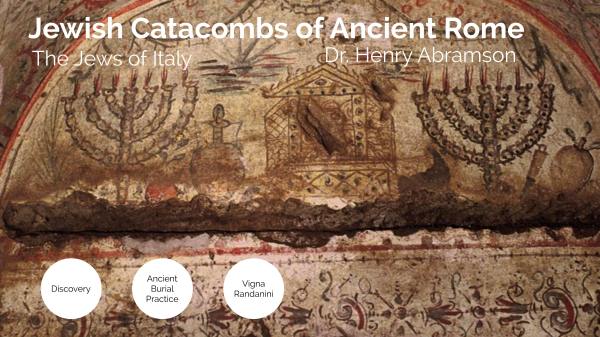
Hello everyone–it’s still a while till our first public lecture on campus, but I was so fascinated by this topic I had to talk about it with you. I hope you enjoy the video!
Don’t forget to print out and post the Spring 2019 Schedule of Lectures on your refrigerator of your home, or wherever you end up eating. Really looking forward to our first Brooklyn lecture in February, preceded only by a few talks in Surfside, Manhattan and Passaic.

Lectures in Jewish History (Spring 2019)
The Origins of Italian Jewry
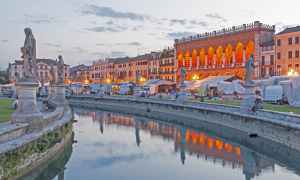
Tuesday, February 12, 7:00 PM
Sponsored by the Chaim Yaakov Shlomo College of Jewish Studies
The Shul, 9540 Collins Avenue, Surfside FL 33154
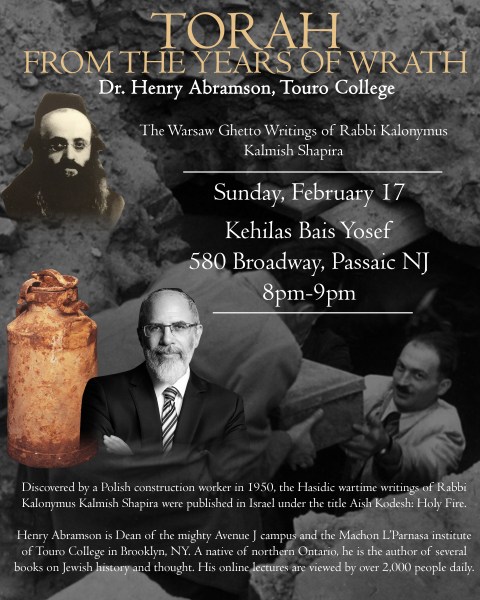
Sunday, February 17, 8:00 PM
Sponsored by Kehilas Bais Yosef
580 Broadway, Passaic NJ
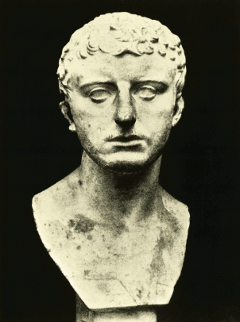
Monday, February 25, 7:00 PM
Touro College Main Auditorium, 1602 Avenue J, Brooklyn NY 11230

Monday, March 4, 7:00 PM
Touro College Main Auditorium, 1602 Avenue J, Brooklyn NY 11230
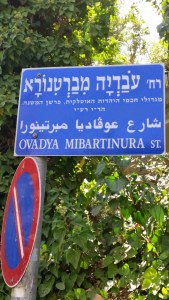
Monday, March 11, 7:00 PM
Touro College Main Auditorium, 1602 Avenue J, Brooklyn NY 11230
Monday, March 18, 7:00 PM
Touro College Main Auditorium, 1602 Avenue J, Brooklyn NY 11230
Monday, March 25, 7:00 PM
Touro College Main Auditorium, 1602 Avenue J, Brooklyn NY 11230
Monday, April 1, 7:00 PM
Touro College Main Auditorium, 1602 Avenue J, Brooklyn NY 11230
Monday, April 8, 7:00 PM
Touro College Main Auditorium, 1602 Avenue J, Brooklyn NY 11230
All lectures are free and open to the community.
Please support our Jewish History Scholarship Fund by clicking here.
For more information please contact Henry.Abramson@touro.edu, (718) 535-9333.
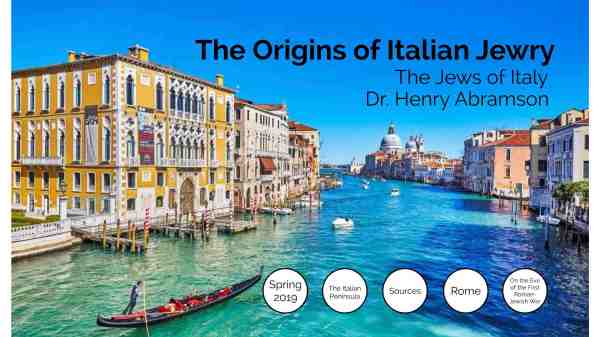
Brief overview of the earliest settlement of Jews in the Italian peninsula, up to the first Roman-Jewish War.

Lectures in Jewish History (Spring 2019)
Tuesday, February 12, 7:00 PM
Sponsored by the Chaim Yaakov Shlomo College of Jewish Studies
The Shul, 9540 Collins Avenue, Surfside FL 33154
Monday, February 25, 7:00 PM
Touro College Main Auditorium, 1602 Avenue J, Brooklyn NY 11230
Monday, March 4, 7:00 PM
Touro College Main Auditorium, 1602 Avenue J, Brooklyn NY 11230
Monday, March 11, 7:00 PM
Touro College Main Auditorium, 1602 Avenue J, Brooklyn NY 11230
Monday, March 18, 7:00 PM
Touro College Main Auditorium, 1602 Avenue J, Brooklyn NY 11230
Monday, March 25, 7:00 PM
Touro College Main Auditorium, 1602 Avenue J, Brooklyn NY 11230
Monday, April 1, 7:00 PM
Touro College Main Auditorium, 1602 Avenue J, Brooklyn NY 11230
Monday, April 8, 7:00 PM
Touro College Main Auditorium, 1602 Avenue J, Brooklyn NY 11230
All lectures are free and open to the community.
Please support our Jewish History Scholarship Fund by clicking here.
For more information please contact Henry.Abramson@touro.edu, (718) 535-9333.

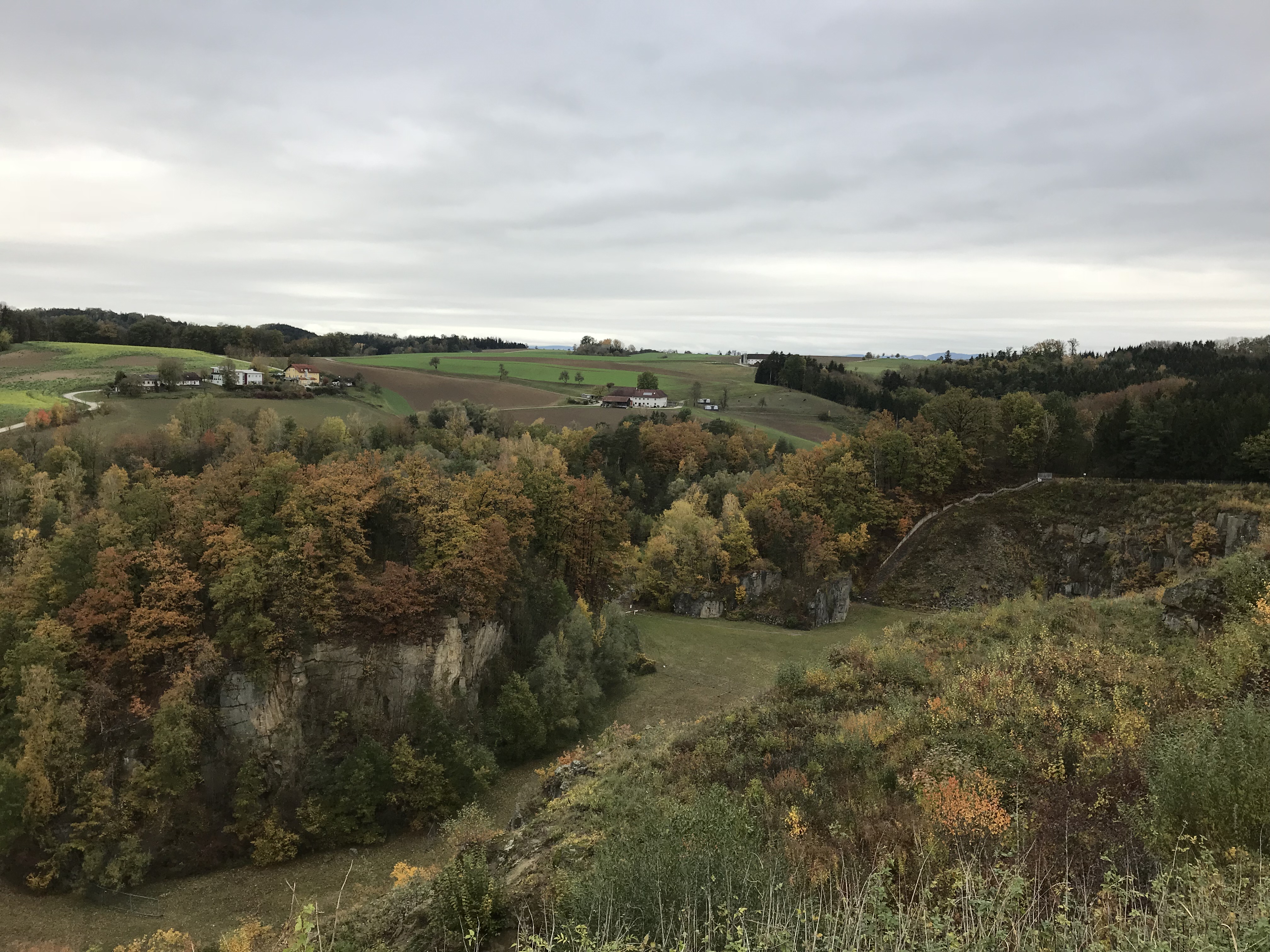
The view from Mauthausen is unsettling for its natural beauty. Crouching silently on a hilltop like an ancient bird of prey, the brutal stone walls of the concentration camp look out upon a bucolic vision of orderly farms and well-kept homes that no doubt sheltered generations of hard-working, nature-loving, lieder-singing Austrian families.
The vision is hard to square with the oppressive reality of Mauthausen, the center of a web of camps that saw tens of thousands of prisoners pass through its stony gates. Simon Wiesenthal, famed Nazi hunter, was among the last: transferred from the Buchenwald concentration camp in February 1945, he endured the hellish conditions in Mauthausen until the Americans liberated the camp in May. Weighing only 90 pounds, his first act upon liberation was one that would characterize the remainder of his life: he presented the American commanding officer with a list of names of war criminals to be apprehended for prosecution.
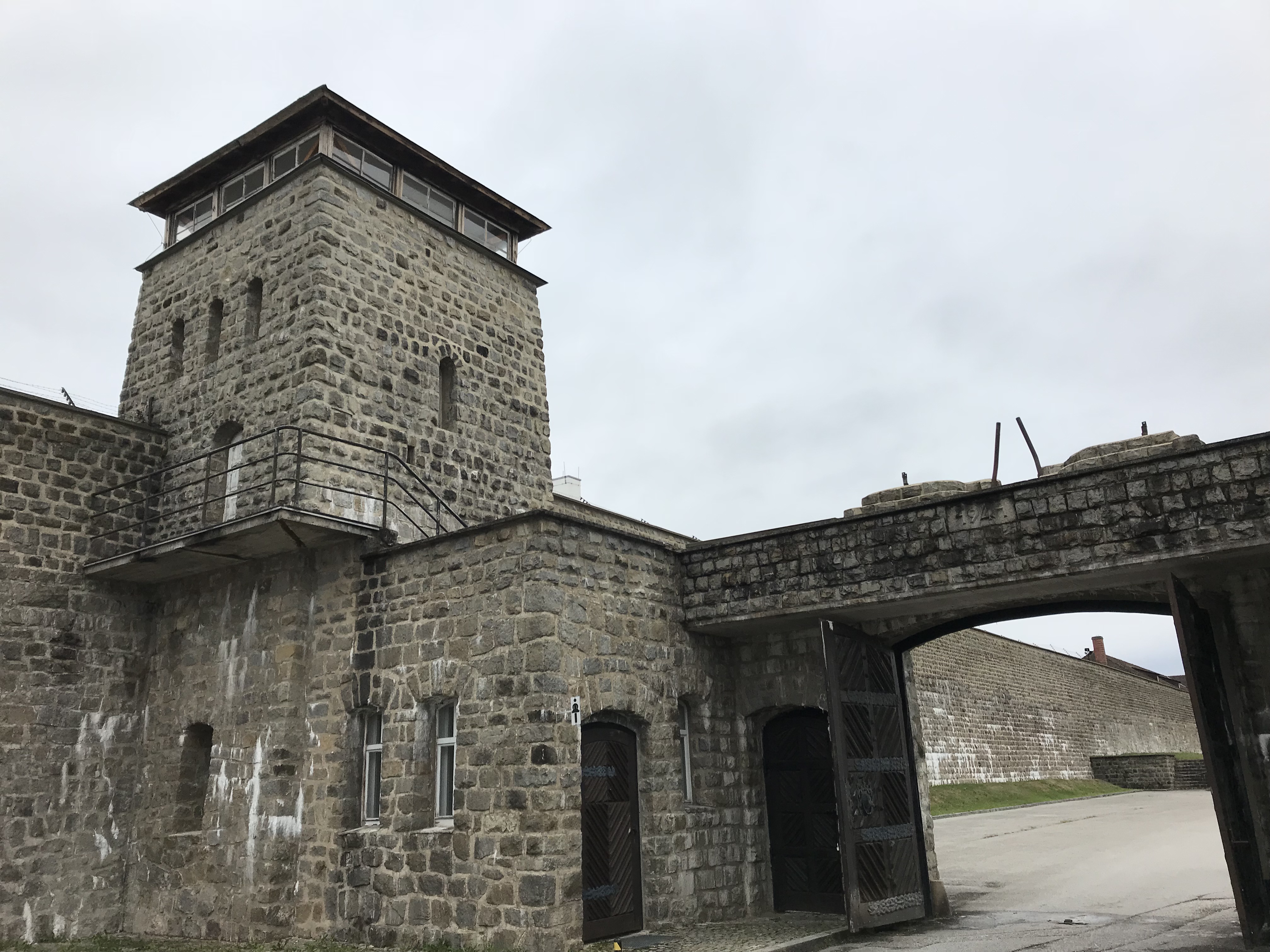
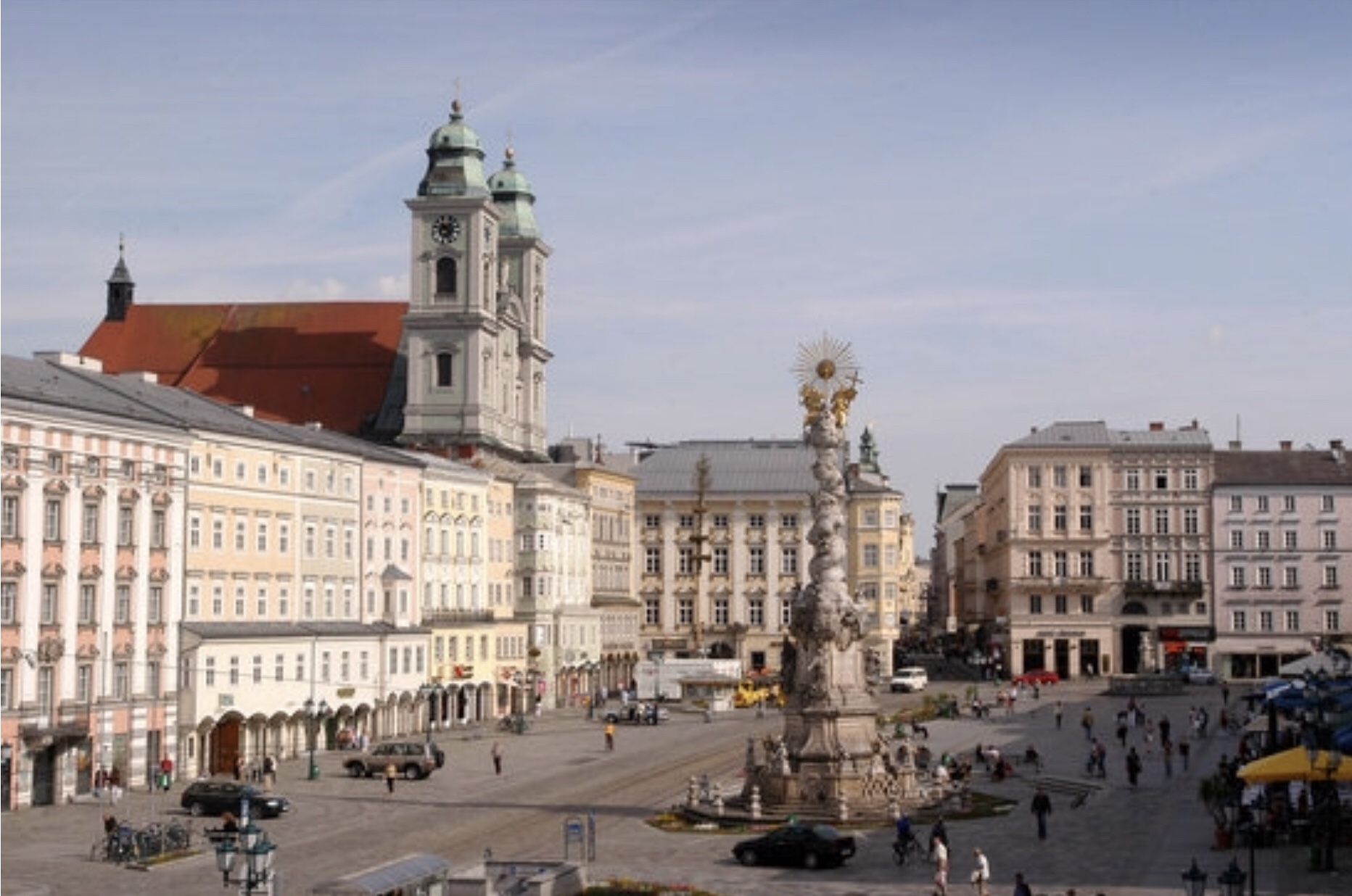
This past fall I had the privilege of accompanying a delegation of officials from the Museum of Tolerance to Mauthausen to unveil a commemorative plaque in memory of the world-famous Nazi-hunter, Simon Wiesenthal. Our journey with Kosher River Cruises began at Budapest, following the Danube River to Bratislava and Vienna. Ultimately we docked at Linz—famous during the war as “Hitler’s Youth-City” and designated for special development as his planned retirement destination—and took a short bus ride through the lovely countryside to the site of unspeakable inhumanity.
Mauthausen was established shortly after the Anschluss, the notorious incorporation of Austria into the Third Reich in the spring of 1938. It was originally intended for criminals and political prisoners, some of whom were Jewish, who were to be put to hard labor in the stone quarries (later in the war, Mauthausen would receive more Jewish prisoners as transferees from other camps). The camp received a Category III designation, the harshest possible (by way of contrast, Dachau was Category I). Although Mauthausen was not originally intended as an “Extermination camp” (Vernichtungslager) like Auschwitz, the incredibly brutal treatment of slave laborers gave it the highest death rate of any camp before 1942. Prisoners of war were also sent to Mauthausen, technically under “Protective Custody,” but given the additional designation Rueckkehr unerwuenscht: “return not desired.” The pro-Nazi Vichy government in France, for example, handed over 10,000 Spaniards in 1941: only 1,500 survived their first year in Mauthausen. Hellish for prisoners, Mauthausen boasted significant workplace perks for the guards. Aerial photographs from Allied sorties document soccer fields and a large swimming pool just outside the prison.
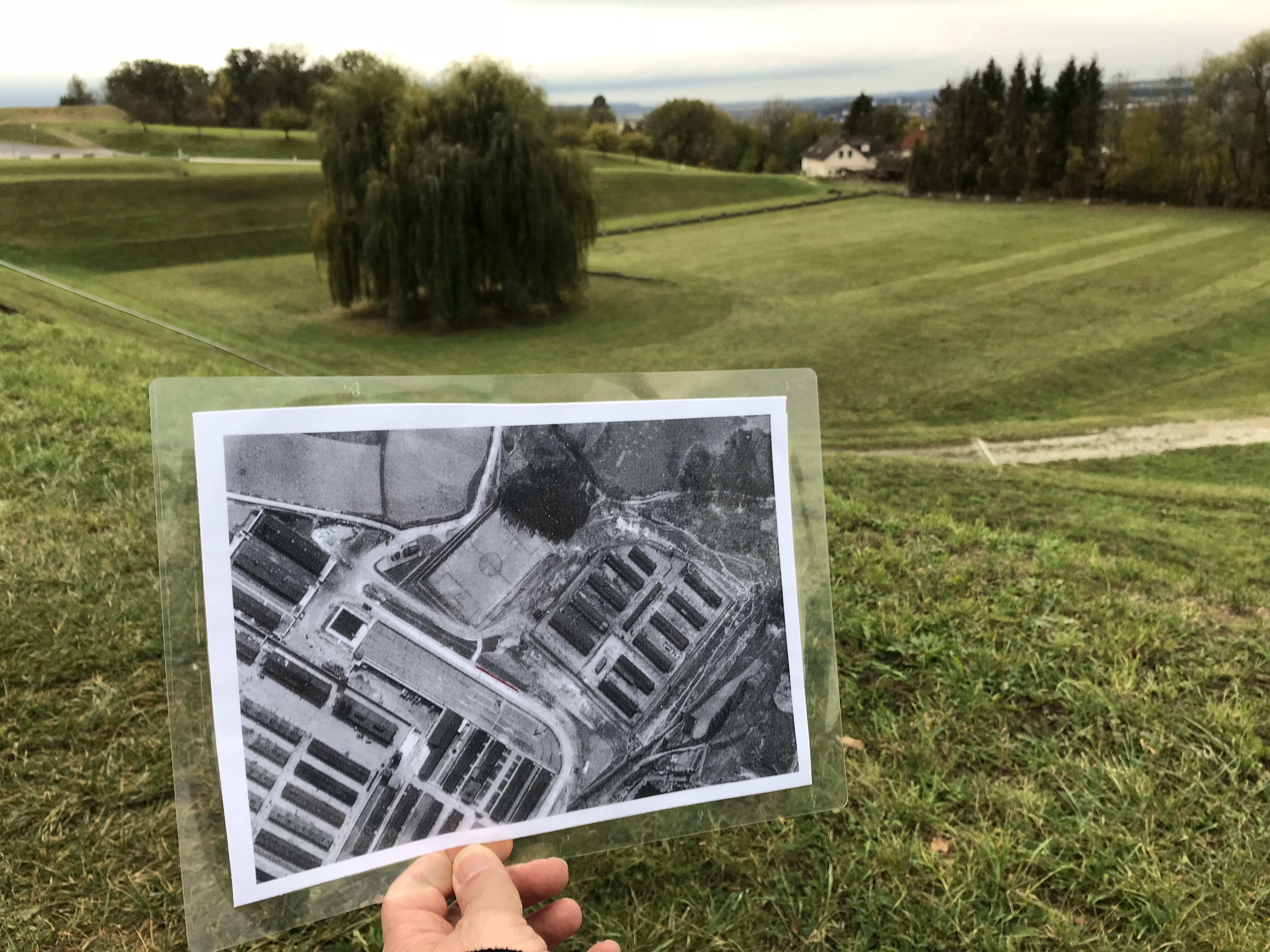
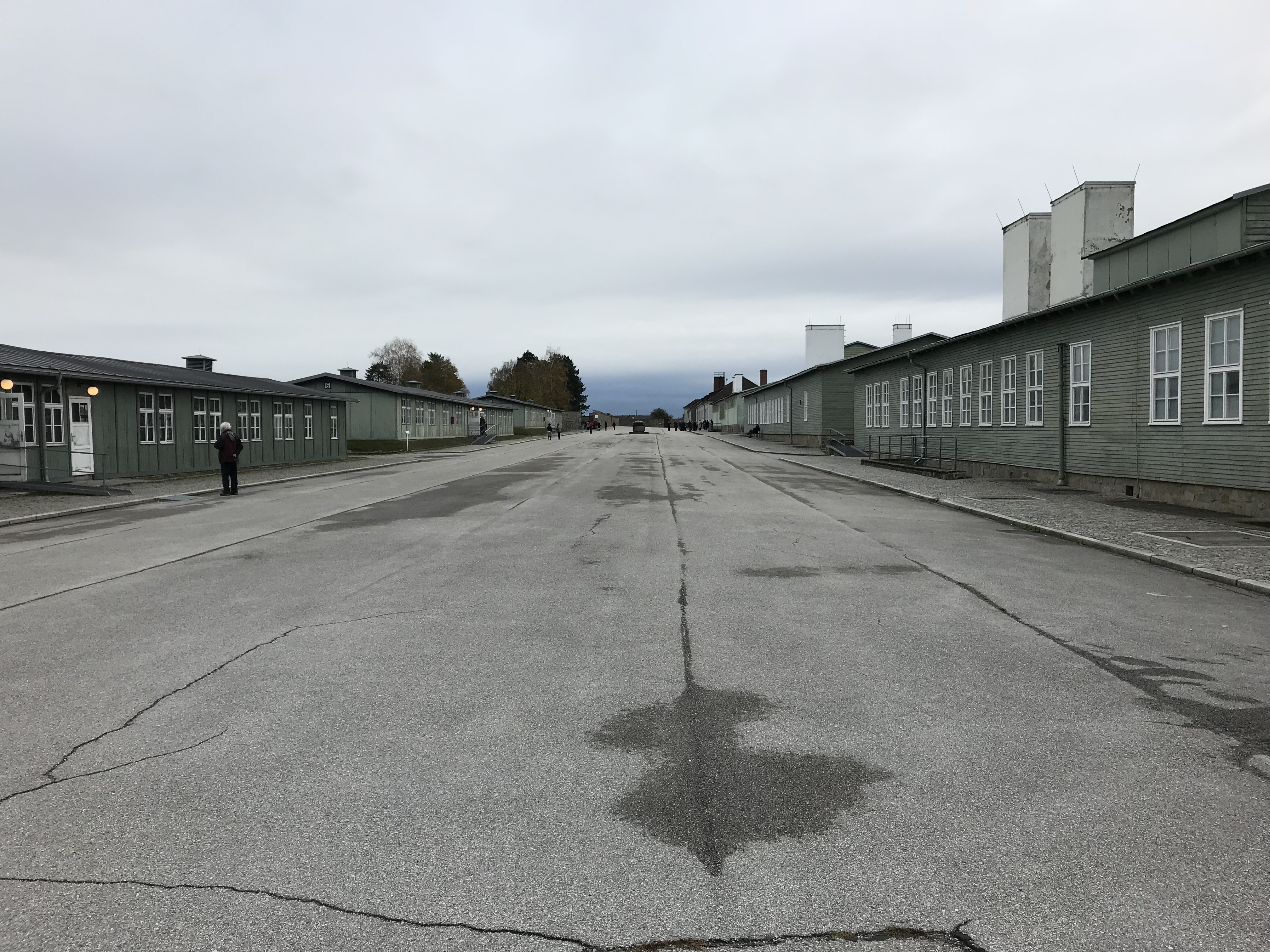
If Dante lived in our times, his Inferno would look like Mauthausen. Dante’s demons, after all, were simply following the quid-pro-quo of Catholic theology of the thirteenth century, whereas Mauthausen operated within the crueler universe of profit. Mauthausen’s stone works, staffed by a ready supply of disposable slave labor, were consistently beneficial to the Nazi economy, producing 11 million Reichsmarks in 1944 alone. A list of German companies that took advantage of Mauthausen’s slave labor work product reveals many names disturbingly familiar to contemporary American consumers.
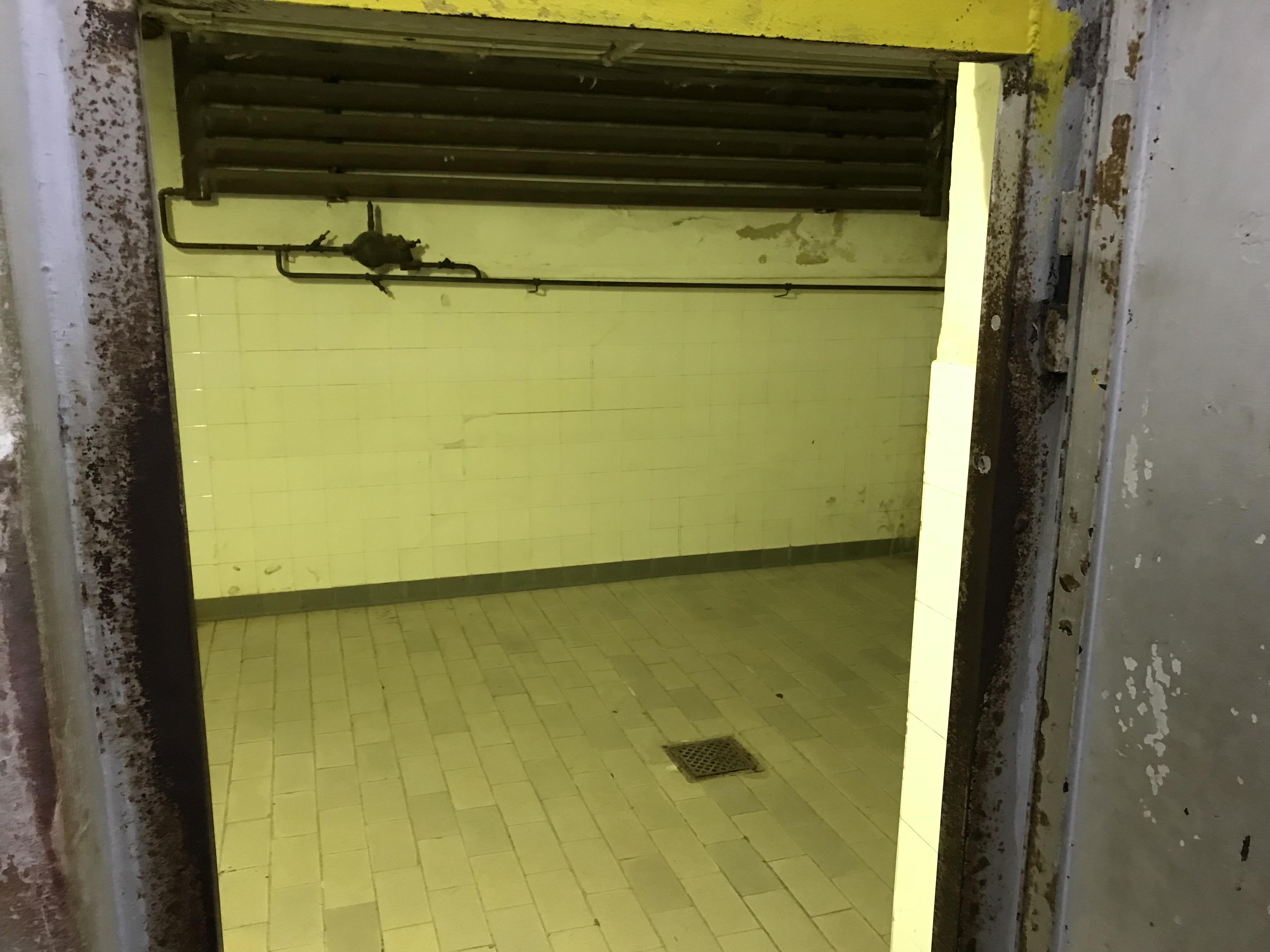
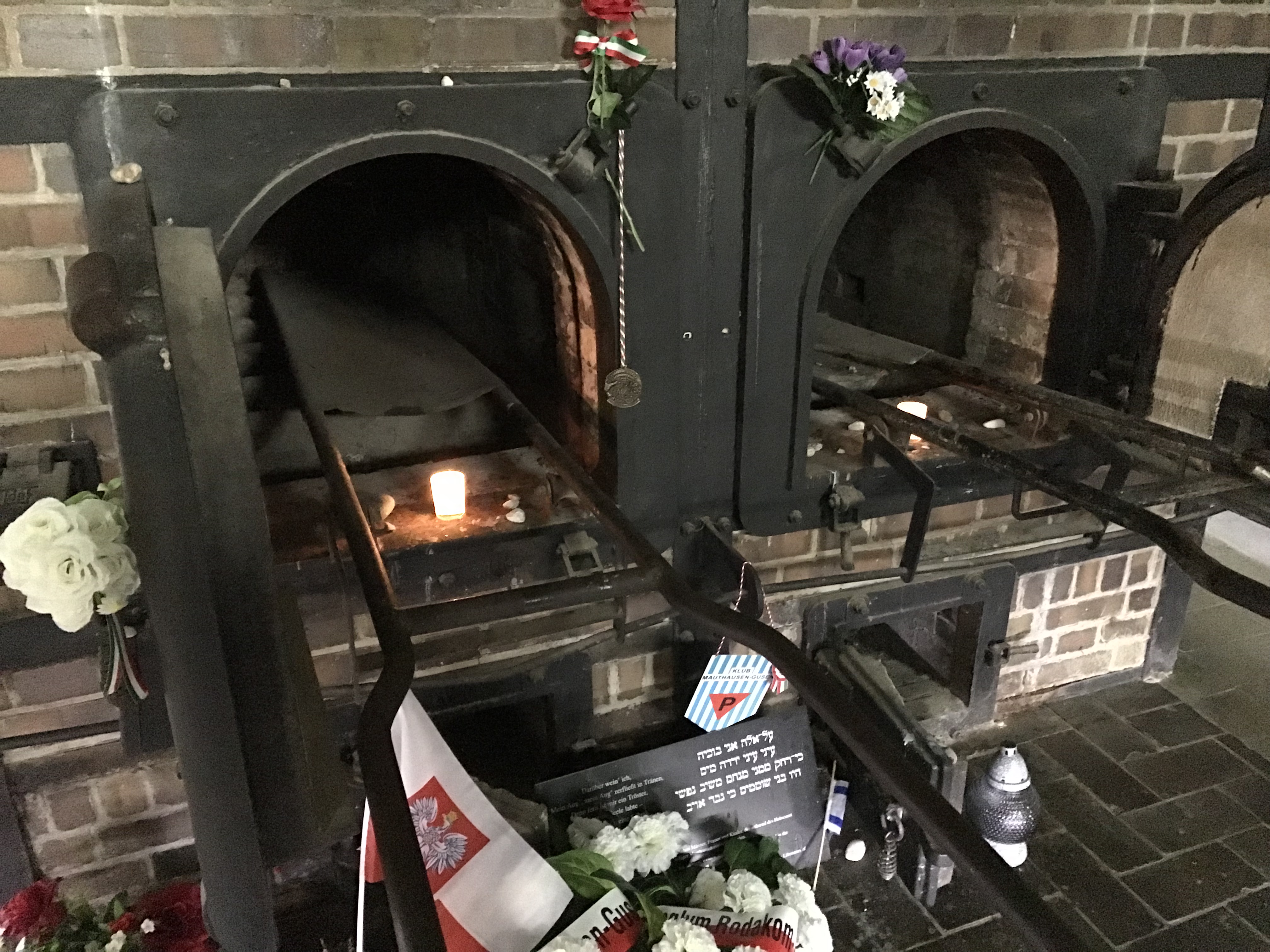
By the time Simon Wiesenthal arrived in February 1945, he had already seen the interior of eight concentration camps. Deeply malnourished, he was left to die in quarantine, but somehow managed to survive on a diet of 200 calories per day until liberation, willed on by an indomitable determination to seek justice. His survival was not typical—the last prisoner formally inducted into Mauthausen was given the number 139,157, just two days before the camp was liberated in May 1945. An estimated 119,000 prisoners were killed there, nearly forty thousand of whom were Jews. For many, the end came in the cramped gas chamber located under one of the administrative buildings, their physical remains reduced to ash in the crematoria next door. Today a makeshift memorial, consisting of flowers, flags and a Yartzeit candle and a few flags memorialize the diversity of Mauthausen’s victims.
Under an overcast, threatening sky, we gathered near the entrance to Mauthausen to dedicate our own memorial to Simon Wiesenthal. Rabbi Stuart Weiss, our spiritual guide on this difficult journey, introduced a series of speakers to commemorate Wiesenthal’s memory, including Rabbi Marvin Hier and Rabbi Abraham Cooper of the Museum of Tolerance and several dignitaries from the local government.
The mood, as one might expect after touring a concentration camp, was somber, but it was doubly so because of what we had experienced the night before. Shortly after making havdalah, we returned to our devices to learn of the massacre of eleven Jews in a Pittsburgh synagogue—with the time difference, the mass shooting was still a developing story in the US, creating a strange dissonance as we grasped that our friends and relatives in the United States were still happily celebrating Shabbat, unaware of the dark curtain that had fallen upon the community.
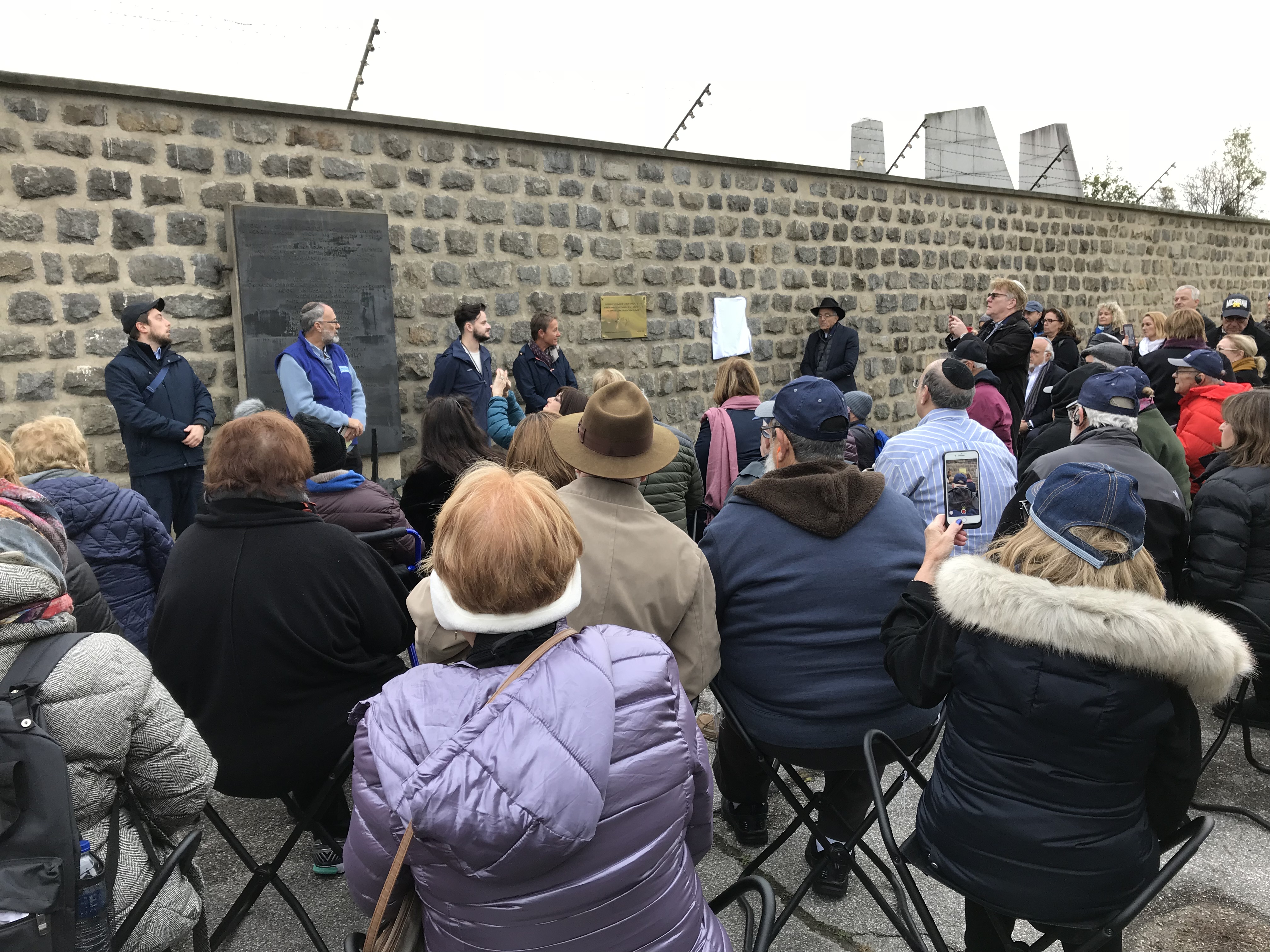
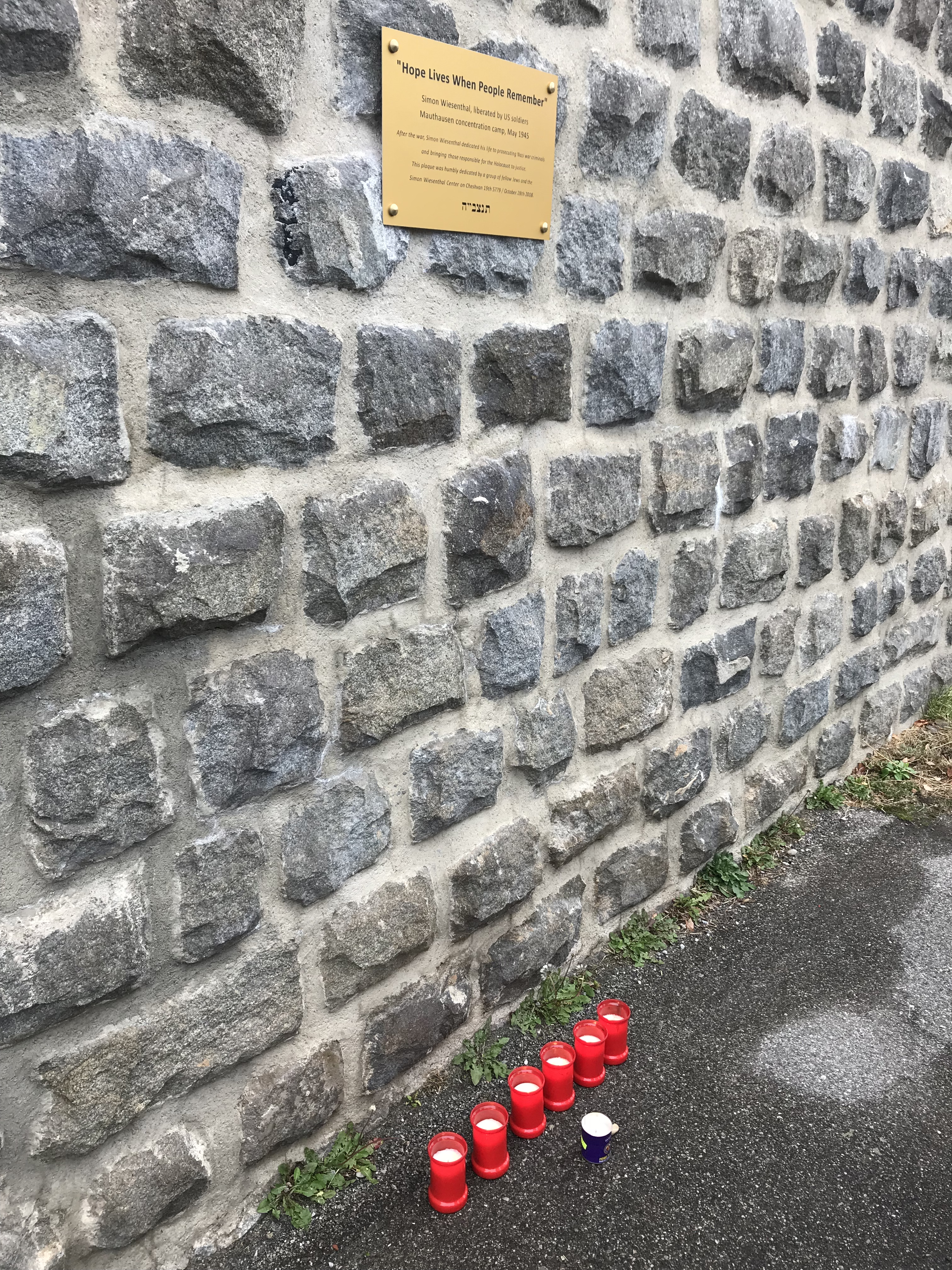
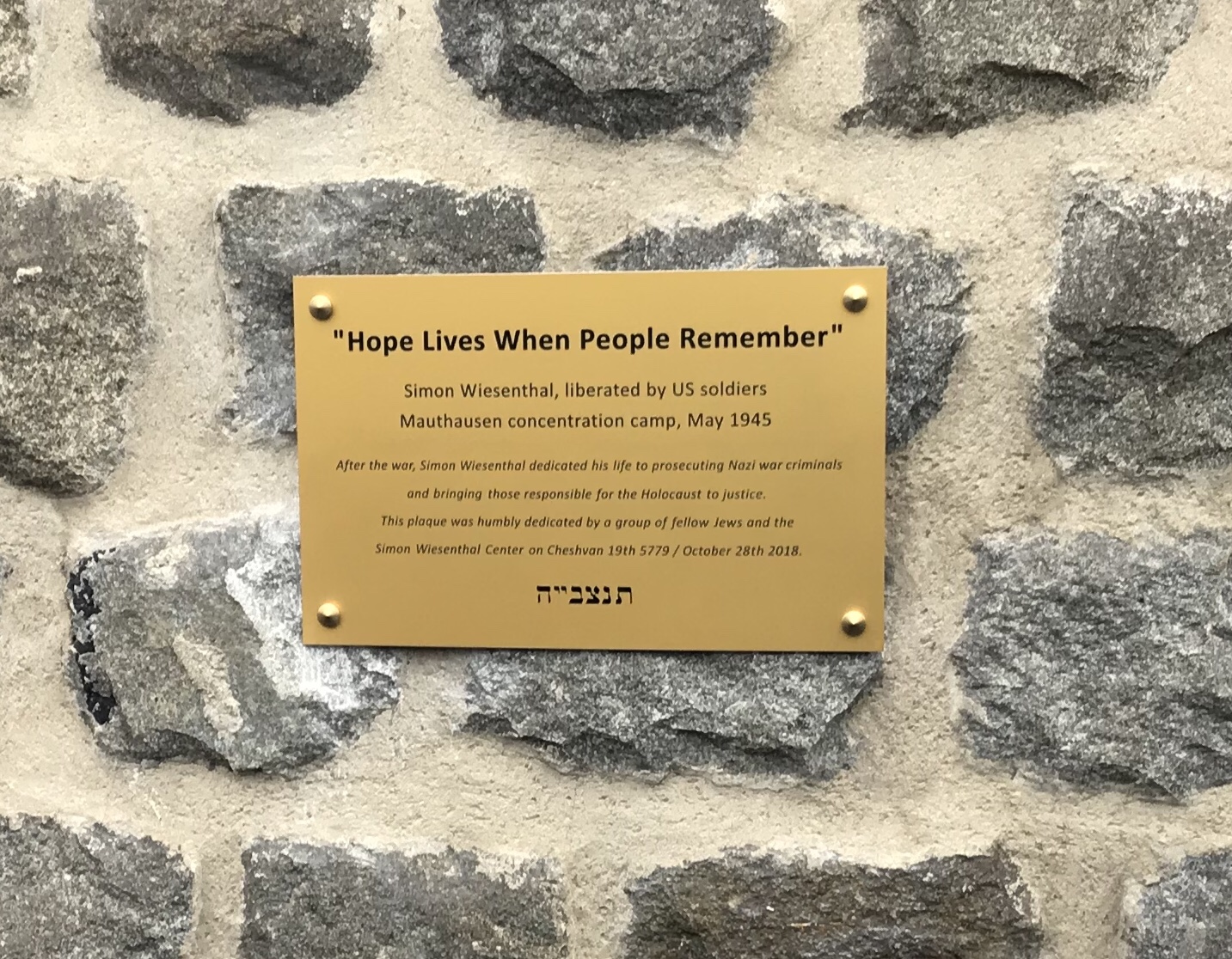
The heartfelt tributes moved many of us to tears. At the conclusion of the ceremony, several survivors and children of survivors came forward to light memorial candles, including Ben Lessin, Ita Mond, Tami Braun, Marianne Goldstein, Gilda Burnstein, Armand Nosson, and Agnes Kochberg. The plaque revealed a message that was both emblematic of Simon Wiesenthal’s legacy, and a charge for the future: Hope Lives when People Remember.
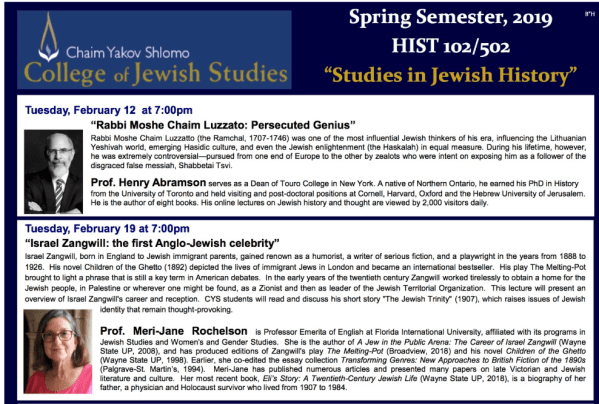
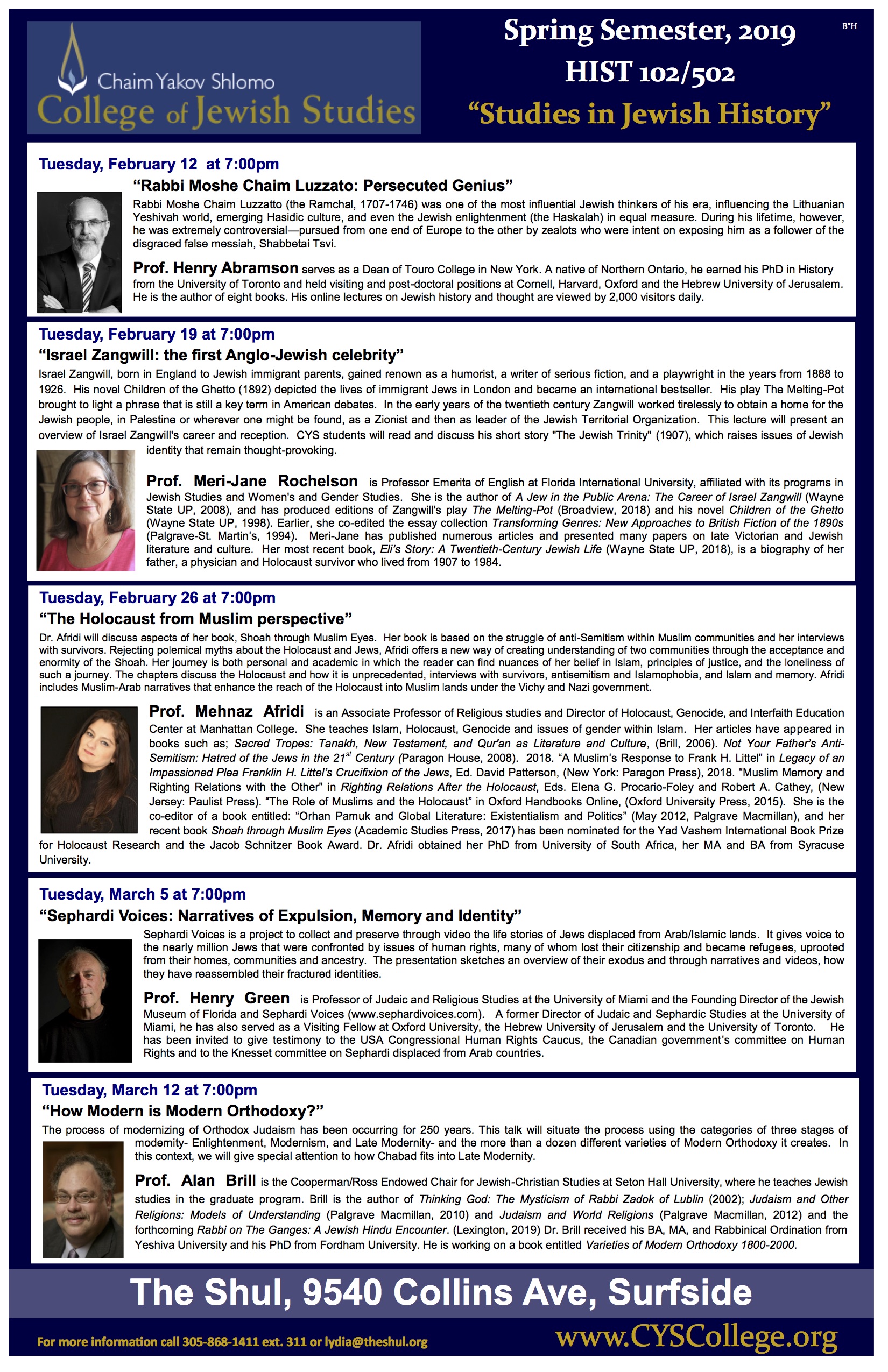
Proud to be included in this series–really hoping to see some of my Florida friends in February! Here’s a recent video on the same topic (really an introduction):
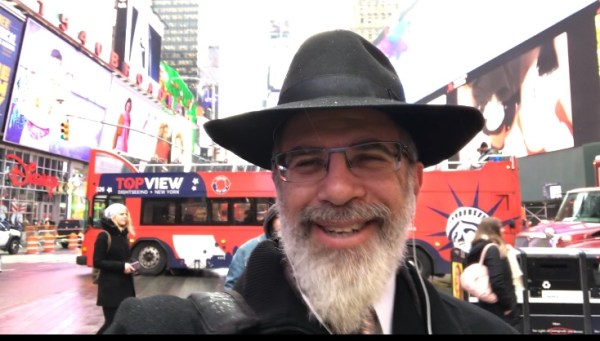
Friends and students of Jewish History! Thanks for your kind words of support–all the materials are submitted.
 Henry Abramson