The Jews of Bukhara (Sunday in Denver); the Maimonidean Controversy; Save the Date for Roslyn NY

Really looking forward to speaking to the Or Avner community in Aurora, CO!


The Maimonidean Controversy


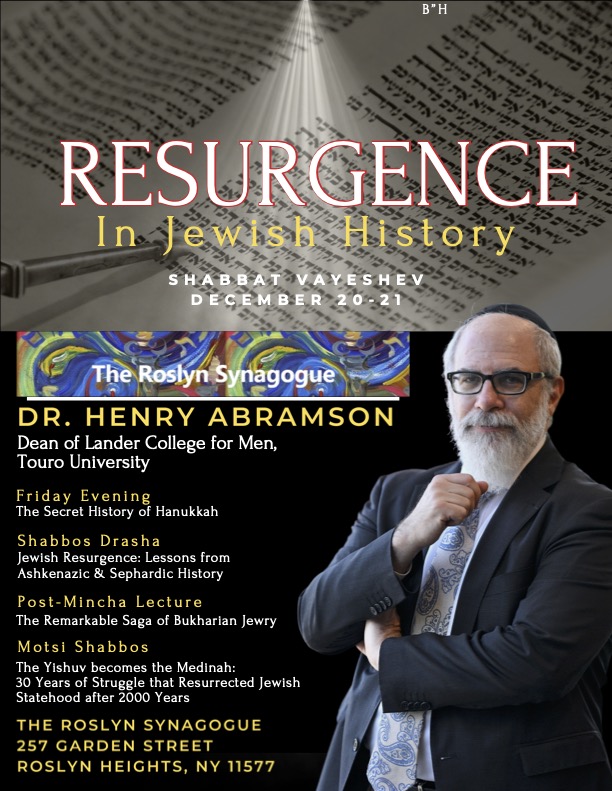
Save the Date: Shabbaton in Roslyn NY, December 20-21
  • Who Was R. Pinhas Hurwitz?

    Who Was R. Pinhas Hurwitz?

      Two hundred years ago, Sefer Ha-Brit was a fixture in the library of every educated Jewish home. First published anonymously in 1797, this hugely popular 800-page tome appeared in forty editions, including translations into Ladino and Yiddish. It was widely read by Ashkenazim and Sefardim, western and eastern European Jews, Hasidim, Mitnagdim and Maskilim…

  • Sefer Ha-Heshek

    Sefer Ha-Heshek

    People Of The Book: Classic Works Of The Jewish Tradition This article originally appeared in the Five Towns Jewish Times on March 3, 2016. Click here for a video lecture on the topic. By Dr. Henry Abramson Working in the abandoned Judaica collection of the Kiev Vernadsky Library during the immediate post-Soviet period, a brilliant…

  • Who Was Hillel Ba’al Shem?

    Who Was Hillel Ba’al Shem?

    A mysterious figure of the early 18th century whose work, recently discovered by Dr. Yohanan Petrovsky-Stern, sheds light on the world of popular culture from which Hasidism emerged.

  • Tanya: People of the Book

    Tanya: People of the Book

    People Of The Book: Classic Works Of The Jewish Tradition By Dr. Henry Abramson This article appeared in the February 25, 2016 edition of the Five Towns Jewish Times. The appearance of Rabbi Schneur Zalman of Liadi’s Tanya at the turn of the 19th century represented a sea change in Eastern European Jewish history. With…

  • March 2016 Lectures: Jews of the 18th Century

    March 2016 Lectures: Jews of the 18th Century

    Jewish History @ Avenue J A Community Project of the Lander College of Arts and Sciences 1602 Avenue J Monday Nights, 7-8pm Free and Open to the Community Lectures by Dean Henry Abramson No hard questions, please. March 7: R. Pinhas Hurwitz Author of the influential Sefer Ha-Brit, the work of Rabbi Hurwitz represented the…

  • Who Was Sarah, Wife of Shabbetai Tsvi?

    Who Was Sarah, Wife of Shabbetai Tsvi?

    Orphaned by the Eastern European pogroms of 1648-49, the volatile Sarah became the spouse of the infamous messianic pretender. Her life, filled with controversy, illustrates the egalitarian elements in Shabbetai Tsvi’s antinomian message.   Here is a link to the Prezi.

  • Sarra Copia Sulem’s Manifesto

    Sarra Copia Sulem’s Manifesto

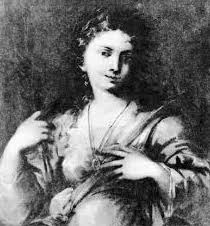
    Sarra Copia Sulam’s Manifesto People of the Book: Great Works of the Jewish Tradition Dr. Henry Abramson This article appeared in the February 17, 2016 edition of the Five Towns Jewish Times.  An unlikely literary duel in Venice took an unexpected turn in 1621 with the appearance of a slim volume entitled “The Manifesto of…

  • NO CLASS THIS MONDAY! PRESIDENTS’ DAY

    NO CLASS THIS MONDAY! PRESIDENTS’ DAY

    Feb 22. Sarah, wife of Shabbetai Tsvi Orphaned by the Eastern European pogroms of 1649-49, the volatile Sarah became the spouse of the infamous messianic pretender. Feb 29. Hillel Ba’al Shem A mysterious figure of the late 17th and early 18th centuries whose recently discovered work sheds light on the world of popular culture from…

  • The Tzemach David

    The Tzemach David

    The Tzemach David People Of The Book:  Classic Works Of The Jewish Tradition (This article originally appeared in the Five Towns Jewish Times on February 11, 2016.) David Gans (1541–1613) was a scientist and a rabbi in an age when the dual pursuit of these intellectual passions was a life-threatening occupation. He studied Torah under Rabbi…

  • Who Was Sarra Copia Sulem?

    Who Was Sarra Copia Sulem?

    When Sarra, a bright young poetry lover of 17th century Venice, wrote to a senior literary figure, she thought she was merely expressing her admiration for his literary work.  In the end, she was forced to defend publicly her refusal to leave Judaism. Click here for the Prezi.  Sarra Copia Sulam’s Manifesto People of the…

  • Who Was Rabbi David Gans?

    Who Was Rabbi David Gans?

    David Gans (1541-1613) was a Rabbinic scholar, historian, and astronomer.  A student of Rabbi Moshe Isserles and the Maharal of Prague, he collaborated actively with Tycho Brahe and Johannes Kepler and left behind important scholarly works.   Click here for the Prezi.    

  • Sefer HaChinuch (People of the Book)

    Sefer HaChinuch (People of the Book)

    People Of The Book: Classic Works Of The Jewish Tradition By Dr. Henry Abramson Written with a deep humility that nevertheless could not disguise the author’s brilliance,Sefer HaChinuch remains one of the most thought-provoking halachic studies some 800 years after it first appeared in the Iberian Peninsula. The deceptively simple title, “The Book of Education,” alludes to the anonymous…

The Jews of Bukhara (Denver, CO); The Jews of the Lesser Antilles; Varieties of Crypto-Jewish Identity; Wait, Alexander Hamilton was Jewish?

Looking forward to a wonderful Shabbat in the Denver Jewish community!


Our Itinerary of Discovery in the Western Caribbean


Channel Members


Premiering at 10am ET


  • The Kabbalah of Forgiveness Level Eight: Maintain a Core of Love

    The Kabbalah of Forgiveness Level Eight: Maintain a Core of Love

    The Eighth Level: Maintain a Core of Love “Maintain a Core of Love,” illustration of Level 8 by Rebecca Odessa, Courtesy The Wisdom Daily The Eighth Level: Maintain a Core of Love Rabbi Cordovero expands upon the metaphysics of forgiveness in the Eighth Level. God preserves a core region of positive regard for every human…

  • The Kabbalah of Forgiveness Level Seven: A Knot is Stronger

    The Kabbalah of Forgiveness Level Seven: A Knot is Stronger

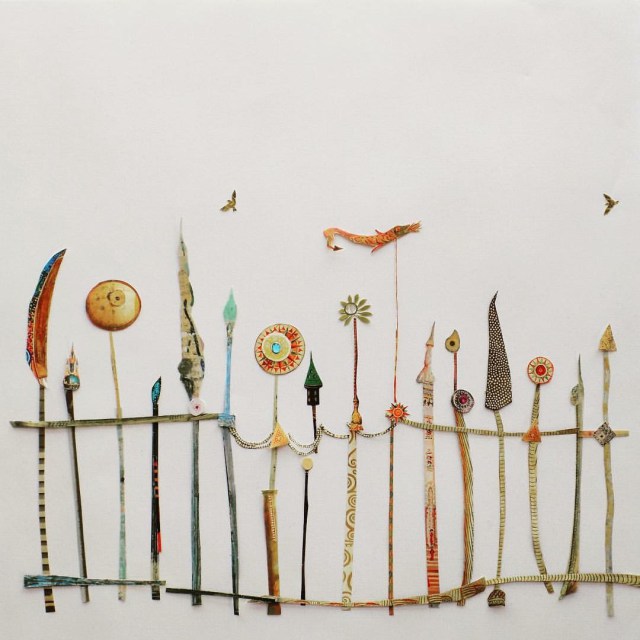
    The Seventh Level: A Knot is Stronger “Building a Fence (A Knot is Stronger),” Illustration of Level 7 by Rebecca Odessa, Courtesy The Wisdom Daily The Seventh Level: A Knot is Stronger Translator’s Introduction Rabbi Cordovero begins the Seventh Level of Mercy with a well-known teaching from the Talmud (Berakhot 34b): “in a place where penitents…

  • The Kabbalah of Forgiveness Level Six: Who Makes Your Lunch?

    The Kabbalah of Forgiveness Level Six: Who Makes Your Lunch?

    The Sixth Level: Who Makes Your Lunch? “Who Makes Your Lunch?” illustration of Level 6 by Rebecca Odessa, Courtesy The Wisdom Daily The Sixth Level: Who Makes Your Lunch? Translator’s Introduction The Sixth Level begins with a deeply mystical passage in Ezekiel, set in the years immediately prior to the 6th century BCE destruction of…

  • The Kabbalah of Forgiveness Level Five: Release the Anger

    The Kabbalah of Forgiveness Level Five: Release the Anger

    The Fifth Level: Release the Anger “Release the Anger,” illustration of Level 5 by Rebecca Odessa, Courtesy The Wisdom Daily The Fifth Level: Release the Anger Translator’s Introduction The prophet Zechariah portrays God as a shepherd with two staffs: one is called “pleasantness” (נאם) and the other is called “woundings” (חובלים). In his commentary on Date…

  • The Kabbalah of Forgiveness Level Four: Remember the Family

    The Kabbalah of Forgiveness Level Four: Remember the Family

    The Fourth Level: Remember the Family “In the Same Boat (Remember We are Family),” illustration of Level 4 by Rebecca Odessa, Courtesy The Wisdom Daily The Fourth Level: Remember the Family Translator’s Introduction The Fourth Level of Mercy calls attention to the fundamental connectedness of humanity. The Jewish people in particular maintain a strong familial…

  • The Kabbalah of Forgiveness Level Three: Take Care of it Personally

    The Kabbalah of Forgiveness Level Three: Take Care of it Personally

    The Third Level: Take Care of it Personally “Part of the Process (Take Care of it Personally),” illustration of Level 3 by Rebecca Odessa, Courtesy The Wisdom Daily The Third Level: Take Care of It Personally Translator’s Introduction The Third Level of Mercy addresses the personal role that God plays in the process of forgiveness. Rather…

  • The Kabbalah of Forgiveness Level Two: Let it Go for Now

    The Kabbalah of Forgiveness Level Two: Let it Go for Now

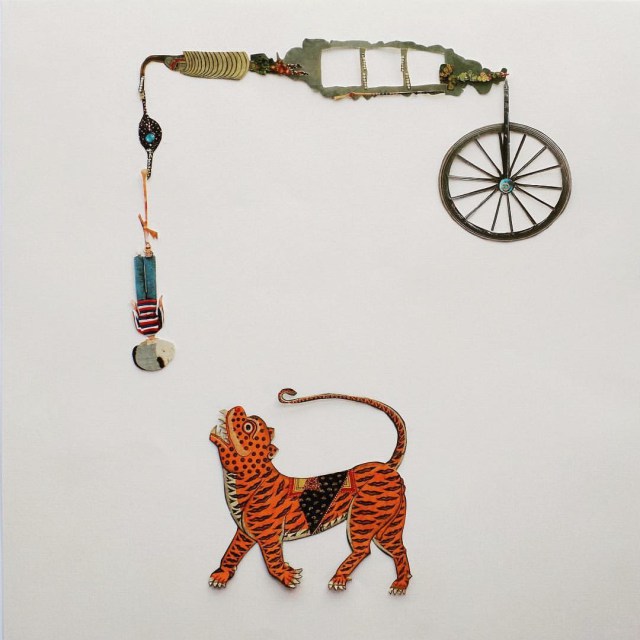
    The Second Level: Let it Go for Now “Whose K’tegors are These? (Let it Go)” Illustration of Level 2 by Rebecca Odessa, Courtesy The Wisdom Daily The Second Level: Let it Go for Now   The second of the Thirteen Levels, “Who Bears Sin,” describes a degree of mercy that is even more profound than…

  • The Kabbalah of Forgiveness Level One: The King Who Endures Insult

    The Kabbalah of Forgiveness Level One: The King Who Endures Insult

    The First Level: The King who Endures Insult “The Insulted King,” illustration of Level 1 by Rebecca Odessa, Courtesy The Wisdom Daily   Translator’s Introduction Rabbi Cordovero’s discussion of the Thirteen Levels of Mercy begins with an awesome depiction of human sin from God’s perspective. Given that all power in the Universe has God at…

  • Free Download of The Kabbalah of Forgiveness (Expires October 19, 2014)

    Free Download of The Kabbalah of Forgiveness (Expires October 19, 2014)

          Please visit https://www.smashwords.com/books/view/464044 and enter coupon code YT52E (Expires October 19, 2014). Please click here for excepts and supporting videos.    

  • The Kabbalah of Forgiveness Coming in Time for Rosh Hashanah

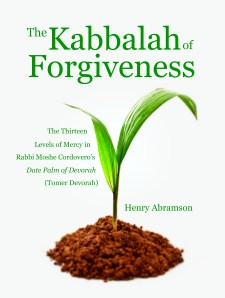
    New for the Season of Repentance: a translation and modern commentary on Rabbi Moshe Cordovero’s classic of Jewish ethics, the Date Palm of Devorah (Tomer Devorah). Learn the Thirteen Levels of Mercy and discover how to forgive others (and yourself). Please visit http://www.jewishhistorylectures.org and click on “The Kabbalah of Forgiveness” for excerpts and videos. Publication date:…

  • Rabbi Samson Raphael Hirsch (This Week in Jewish History)

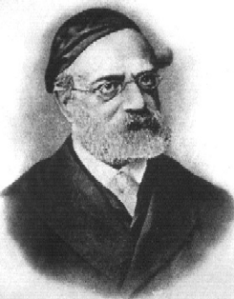
    Rabbi Samson Raphael Hirsch (This Week in Jewish History)

    Rabbi Samson Raphael Hirsch (1808-1888) articulated a strategy to allow Jews their traditional observances while participating actively in the modern world.  Criticized from both the left and the right, his thought remains highly influential into the 21st century.

  • Rabbi Hayim of Volozhin (This Week in Jewish History)

    Rabbi Hayim of Volozhin (This Week in Jewish History)

    Founder of the famous Yeshiva of Volozhin, Rabbi Hayim ben Yitshad was one of the most influential proponents of traditional Talmudic study of the early 19th century.  The author of Nefesh haHayim, he articulated a cogent response to the growing Hasidic movement.

Visits to Synagogues in Bordeaux and Libourne (France); Another Open Letter to Jewish Participants in anti-Israel Protests re: Amsterdam; Conference Presentation on Sheptytsky and WW II

Fantastic Voyage of Discovery with Kosher River Cruises


A Difficult Conversation


Recent Conference Presentation in Toronto


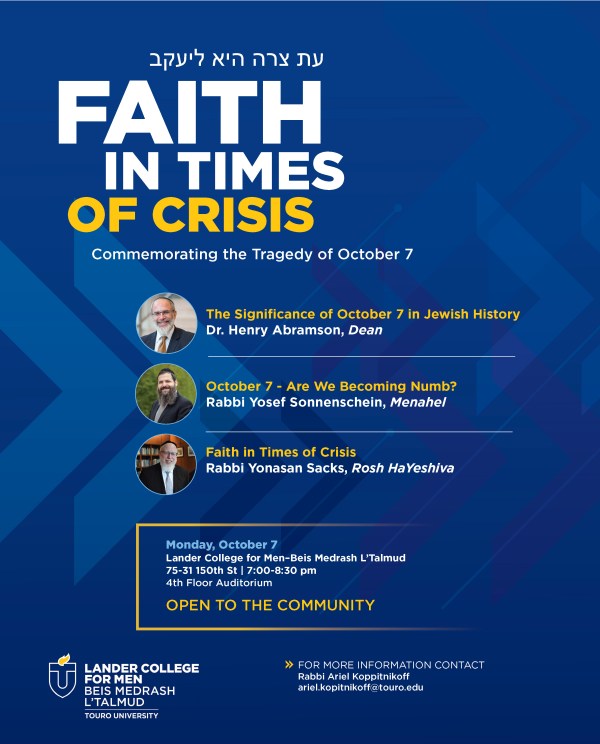
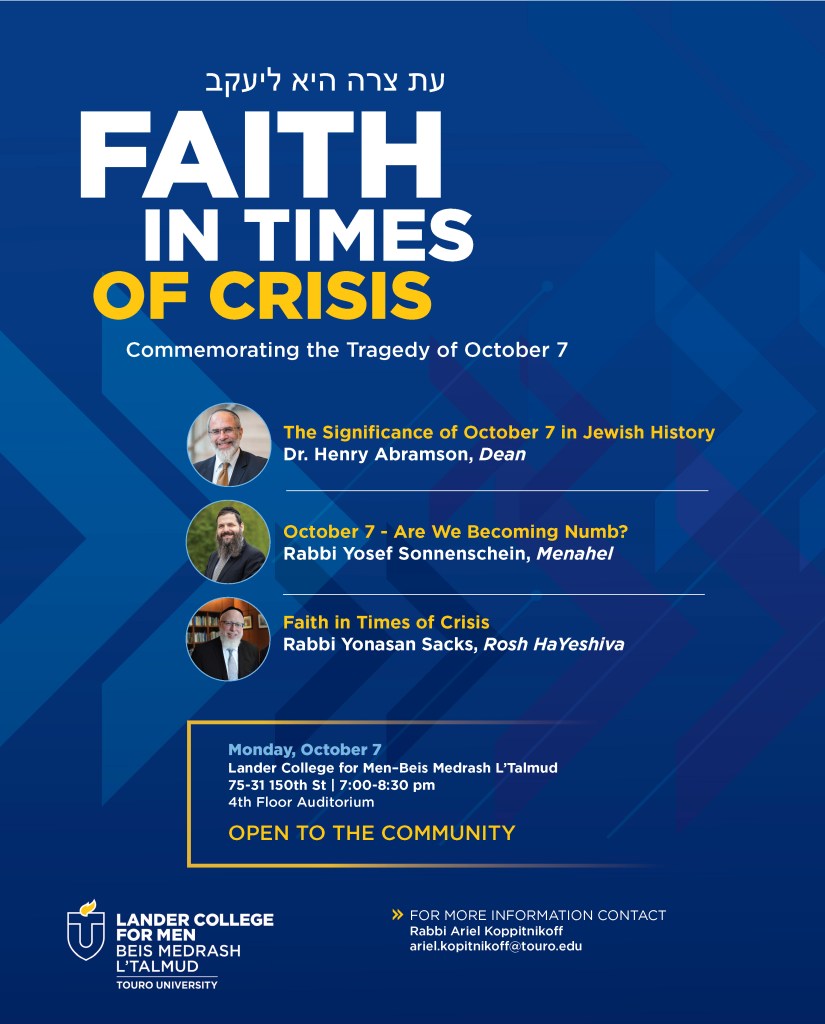
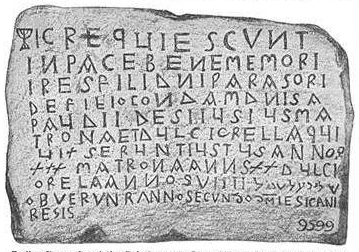
Jewish Life in Visigothic Spain; Commemorating October 7

This is one of the most bizarre periods of Jewish history, and that’s saying a lot.

Dropping on Sunday, September 22 at 10am ET. 70 minutes.


A Thousand Years of Ashkenaz

New Lecture Series: The Sweep of Sephardic History; Faith in Times of Crisis: Commemorating the Tragedy of October 7

New Lecture Series: The History of Sephardic Jewry

Public at 10 am ET. Duration: 72 minutes.
Channel Members: Duration 70 minutes.
Channel members: 44 minutes.

Shabbat in Silver Spring; The History of Sephardic Jewry; Jews, Wine, and Bordeaux; Napoleon’s 1808 Decree on Jewish Names

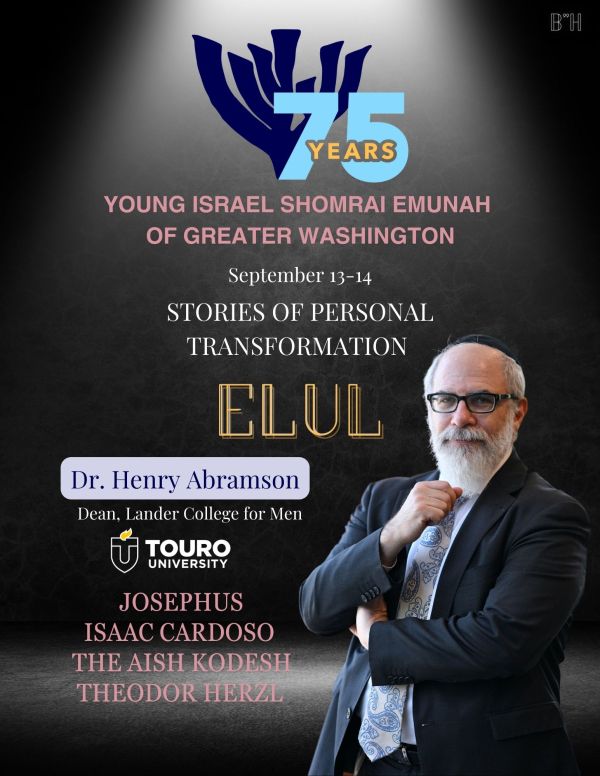
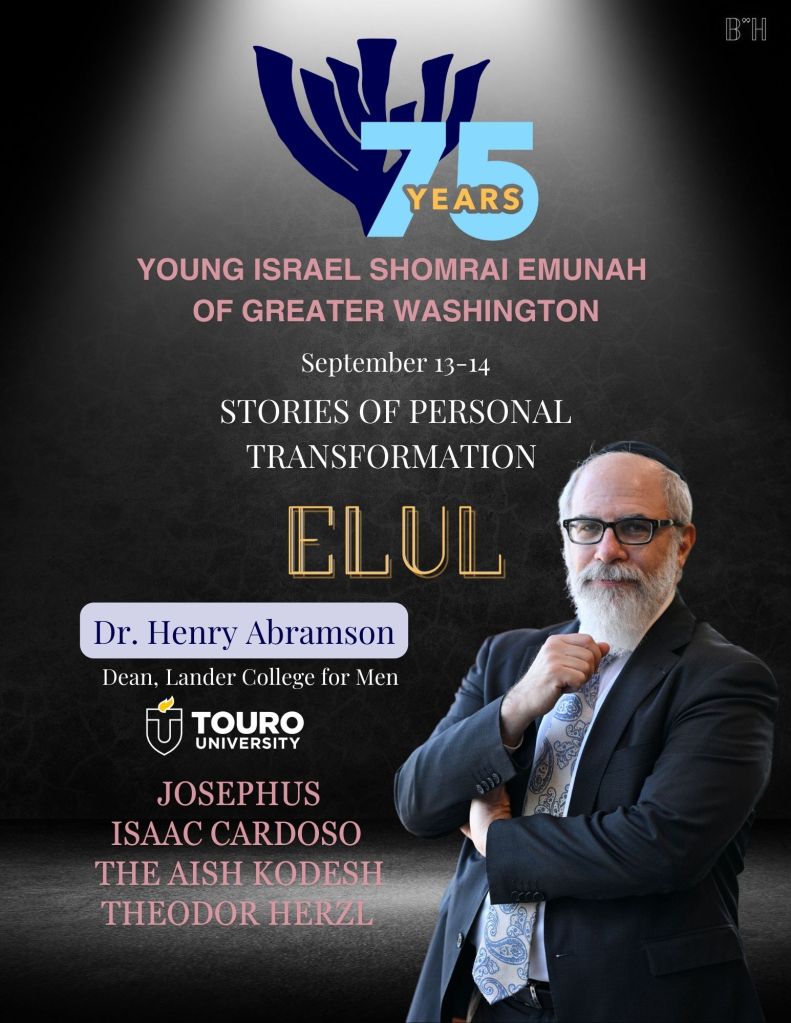
Stories of Personal Transformation for Elul


Napoleon’s 1808 Imperial Decree on Jewish Names


The History of Sephardic Jewry (Lecture, 75 minutes)

Jews, Wine, and Bordeaux (7 minutes)


A Thousand Years of Ashkenaz

Create a website or blog at WordPress.com

Up ↑