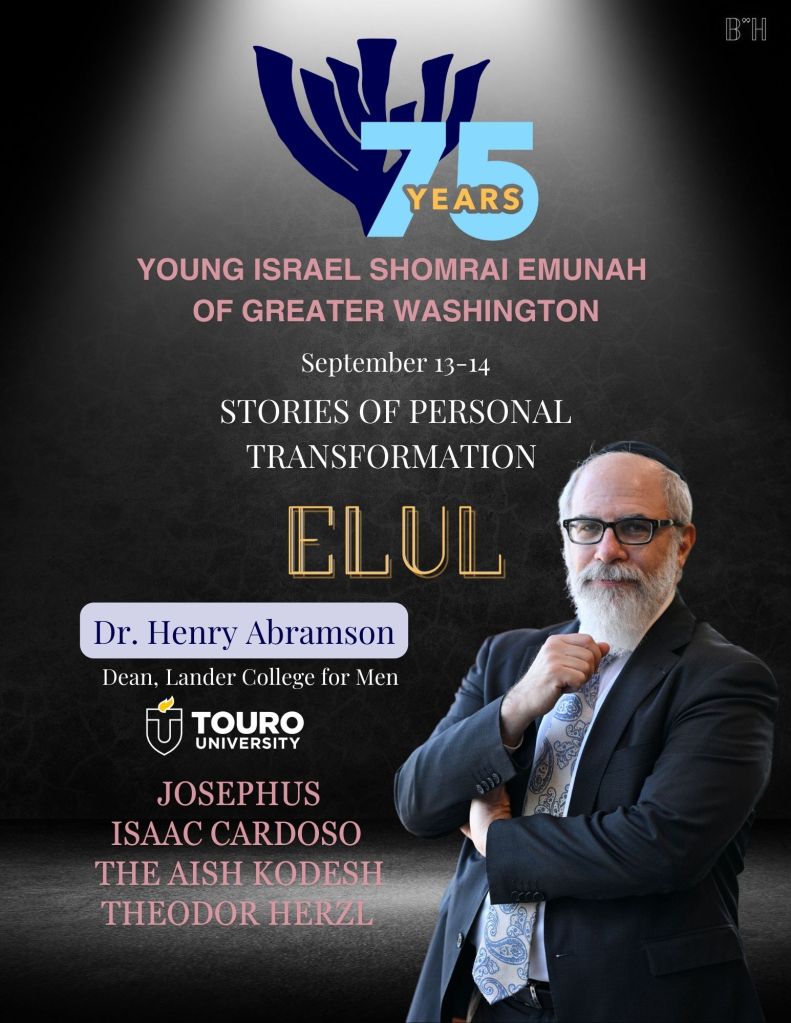
The Jews of Bukhara (Sunday in Denver); the Maimonidean Controversy; Save the Date for Roslyn NY

Really looking forward to speaking to the Or Avner community in Aurora, CO!


The Maimonidean Controversy


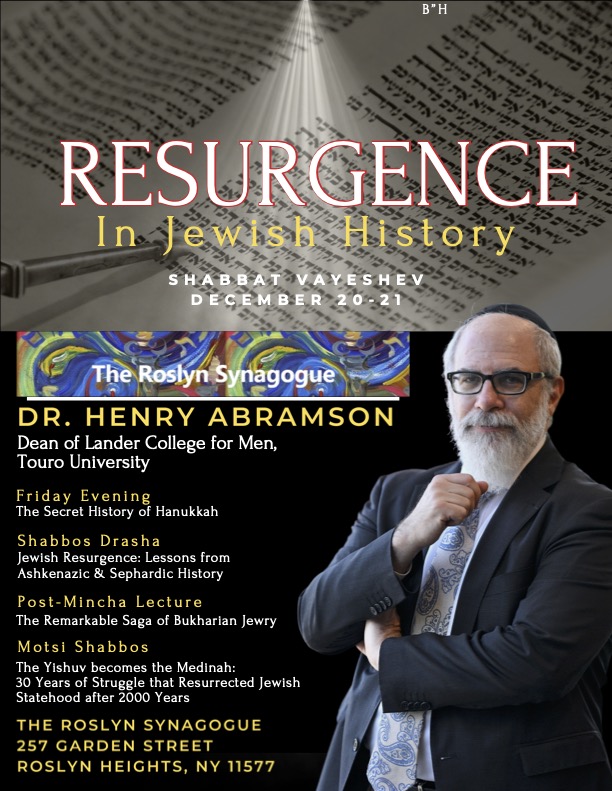
Save the Date: Shabbaton in Roslyn NY, December 20-21
  • Excerpt from The Kabbalah of Forgiveness Now Online

    Excerpt from The Kabbalah of Forgiveness Now Online

      An excerpt from The Kabbalah of Forgiveness: A Reader’s Guide to Rabbi Moshe Cordovero’s The Palm Tree of Devorah, a new translation and commentary on the 16th-century classic of Kabbalistic musar, is now available online.  Anticipated publication date is August 2013.  The Palm Tree of Devorah first appeared in 1588 and became and instant classic.…

  • Stephen Samuel Wise and the Jews of America

    Stephen Samuel Wise and the Jews of America

    A presentation on the life and work of Stephen Samuel Wise (1874-1949), an important American communal leader. The lecture will take a broader focus, looking at the history of Jewish settlement in the United States during the 19th century and the major issues facing this immigrant community through the middle of the twentieth century.  The…

  • Menachem Begin: A New Israel

    Menachem Begin: A New Israel

    A study of the life of Menachem Begin (1913-1992). A native of Poland, he was a proponent of Vladimir Jabotinsky’s Revisionist party that stood in dramatic contrast to the dominant left-wing tendency in the Zionist movement. A major figure in Israel’s struggle for statehood, and a founder of the Likud party, he was elected to…

  • Mitnagdim, Hasidim, Maskilim: The Cultural Geography of Jewish Eastern Europe

    Mitnagdim, Hasidim, Maskilim: The Cultural Geography of Jewish Eastern Europe

    This lecture presents a broad overview of the three main intellectual-religious trends present in 19th century Jewish Eastern Europe: the traditionalist Mitnagdim, the innovative Hasidim, and the modernizing Maskilim. Good as an overall introduction, although I go into more detail on all of these movements in other lectures on this website.  Taped on April 21,…

  • Golda Meir and the Foundations of Israel

    Golda Meir and the Foundations of Israel

    A presentation of the life of Golda Meir (1898-1978), spanning her immigration to Israel in 1921 through the end of her term as the fourth Prime Minister of Israel in 1974. The lecture will discuss the foundations of the Yishuv, the pre-state Jewish community, and touch on the major social and military conflicts that Israel…

  • Evgenia Ginzburg: Jewish Life Under Stalin

    Evgenia Ginzburg: Jewish Life Under Stalin

    Evgenia Ginzburg (1904-1977) was a Jewish woman who endured the horrors of the Stalinist Gulag.  Charged and convicted of anti-Soviet activity in 1937, she was sent to the infamous work camps of Siberia for nearly two decades until her case was reviewed two years after Stalin’s death.  She was ultimately rehabilitated, and published her memoirs…

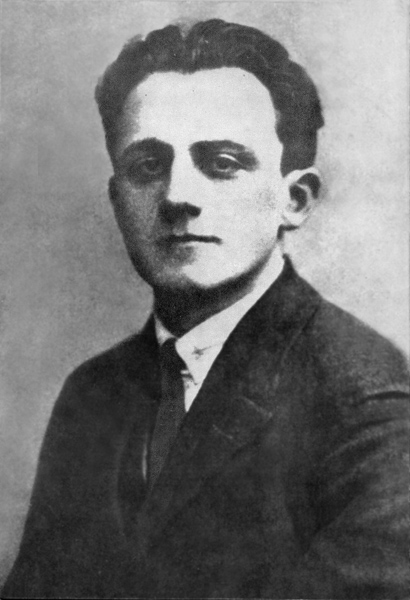
  • Emanuel Ringelblum: Heroic Scholar of the Warsaw Ghetto

    Emanuel Ringelblum: Heroic Scholar of the Warsaw Ghetto

    An examination of the life and work of Emanuel Ringelblum (1900-1944), the heroic Polish scholar who organized the underground Oneg Shabbat society in the Warsaw Ghetto. Ringelblum recognized the extreme and unprecedented nature of the Nazi onslaught early in the war, and brought together a group of highly dedicated volunteers who recorded every aspect of…

  • Solomon Mikhoels: Jews and Jewish Art in the USSR

    Part I: Part II: Part III: Solomon Mikhoels (1890-1948) was one of the most prominent actors and directors in early Soviet Russia. His career coincides with the brief flourishing of Yiddish culture under the policy of korenizatsiia, or “indiginization,” when the Communist authorities sought to develop folk culture as a means of developing loyalty to the…

  • Shimon Dubnow: The Politics of Jewish Identity in the Modern World

    Shimon Dubnow: The Politics of Jewish Identity in the Modern World

    Shimon Dubnow (1860-1941), a noted historian and activist whose theories of Jewish survival in the diaspora were extremely influential in the shaping Jewish identity in the modern world, from the future of Russian Jewry to the establishment of the modern Federation movement in the United States.  Dubnow’s scholarship was inextricably intertwined with the effort to…

  • Moses Mendelssohn and the Haskalah Movement

    Moses Mendelssohn was a hugely influential thinker in 18th-century Germany.  An unusually gifted intellect, he became the primary spokesperson for the emancipation of Jews in the 18th century, and his cause was championed by many non-Jewish liberals of the era. Heralded as the founder of the Reform movement even though Mendelssohn himself maintained an observant…

  • Nathan of Hanover and the Ukrainian Revolution of 1648-1649

    Nathan of Hanover and the Ukrainian Revolution of 1648-1649

    Nathan of Hanover is best known for his moving chronicle of the Khmel’nyts’kyi (Chmielnicki) Rebellion. Entitled Yeven Metsulah (“The Abyss of Despair”), it records with remarkable fairness the social, political, economic and religious background of the mid-17th century Ukrainian movement against the Poles, along with the horrible pogroms perpetrated in the context of that violent…

The Jews of Bukhara (Denver, CO); The Jews of the Lesser Antilles; Varieties of Crypto-Jewish Identity; Wait, Alexander Hamilton was Jewish?

Looking forward to a wonderful Shabbat in the Denver Jewish community!


Our Itinerary of Discovery in the Western Caribbean


Channel Members


Premiering at 10am ET


  • Who Was Saadia Gaon? LettersFlyingFree Part III

    Who Was Saadia Gaon? LettersFlyingFree Part III

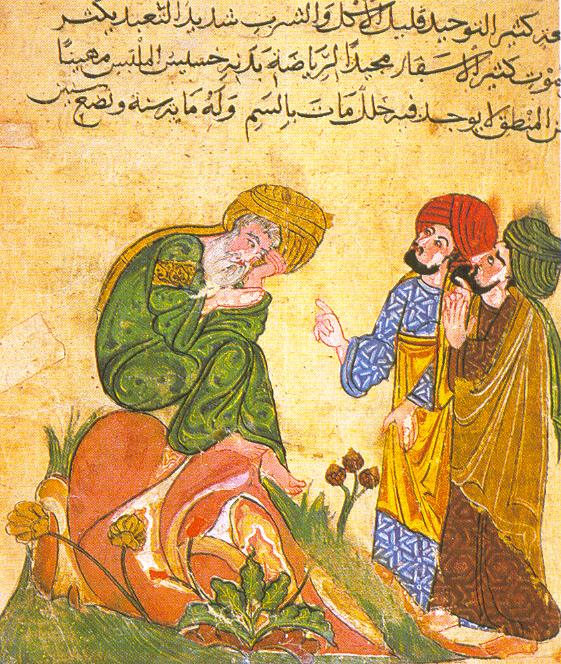
    Responding to the attraction of Islamic philosophy to Jews living in Muslim lands, Sa’adia composed a highly influential work in the 10th-century Kalam style that influenced generations of thinkers. A pugnacious and principled thinker, he engaged in several heated debates with politically powerful rivals including David ben Zakkai, who forced Sa’adia into exile. When ben…

  • Who Was Joshua?

    Who Was Joshua?

    The Bible describes how the Jewish people, emerging from Egyptian servitude and decades of wandering in the Sinai desert, followed Joshua’s military leadership to conquer the Land of Israel and establish the ancient foundations of their Torah-centered society. This lecture will survey the archeological and historical record to understand the larger context of the Biblical…

  • Who Was Rav Kook?

    Mystic and early Zionist, Rabbi Avraham Isaac Kook’s challenging and eclectic philosophy has inspired generations of Jews since his passing in 1935. Often misunderstood, Rav Kook’s role as one of the principal Rabbinic figures of the era was foundational for establishing a religious ideology for the the modern, secular and democratic state of Israel.

  • The Maimonidean Controversy


  • Who Was Emma Goldman?

    “If I can’t dance to it, it isn’t my revolution!” A fiery orator and fearless iconoclast, Emma Goldman was one of the most notorious and controversial left-wing thinkers of turn-of-the 20th century America.

  • Who Was Franz Kafka?

    Titled “poet of shame and guilt” by a recent biographer, Franz Kafka’s early twentieth-century writings have challenged generations of readers worldwide. Inspired in part by his early infatuation with his Jewish background, his haunting and opaque tales continued to be studied as statements of the modern condition.

  • Who Was Janusz Korczak?

    Heroic pioneer of modern educational theory, Henryk Goldszmit (who wrote under the pen name Janusz Korzcak) ran an orphanage in the beleaguered Warsaw Ghetto, ultimately accompanying his youthful charges to the gas chambers of Treblinka.

  • Who Was the Chazon Ish?

    Widely regarded as one of the most brilliant experts in Jewish law of the twentieth century, the Chazon Ish played a major role in the development of the modus vivendi between secular and religious Israelis.

  • Who Was Elie Wiesel?

    Elie Wiesel was a Nobel laureate for literature and a relentless champion of human rights. His best known work is Night, based on his experiences in the Holocaust.

  • Who Was Abraham?

    Named in the Torah as “the father of many peoples,” Abraham the Patriarch is revered by Jews, Christians and Muslims as the original proponent of monotheism. This lecture will survey what the archeological and historical record reveals about the demographic, economic, and cultural environment in Israel when the Patriarchs and Matriarchs walked the land.

  • Rashi (Letters Flying Free, Part 1)

    Revered for centuries as Rabban shel Yisrael (“the Teacher of All Israel”), Rabbi Shlomo Yitzchaki’s writings on the Torah has earned primacy among all commentators: clear and straightforward enough for children yet sophisticated for the most learned elder. His spiritual leadership was tested at the end of his life with the tragedy and devastation of…

  • Migrating Email Followers

    Good morning everyone! For those of you who signed up to follow my lectures via email: I’m migrating your address to Constant Contact today. This will give you a much richer experience, with embedded videos and photos, eliminating a click or two.  Don’t worry, I will delete your current email on this site, so you won’t…

Visits to Synagogues in Bordeaux and Libourne (France); Another Open Letter to Jewish Participants in anti-Israel Protests re: Amsterdam; Conference Presentation on Sheptytsky and WW II

Fantastic Voyage of Discovery with Kosher River Cruises


A Difficult Conversation


Recent Conference Presentation in Toronto


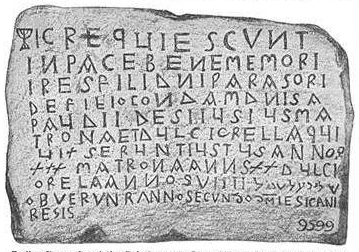
Jewish Life in Visigothic Spain; Commemorating October 7

This is one of the most bizarre periods of Jewish history, and that’s saying a lot.

Dropping on Sunday, September 22 at 10am ET. 70 minutes.


A Thousand Years of Ashkenaz

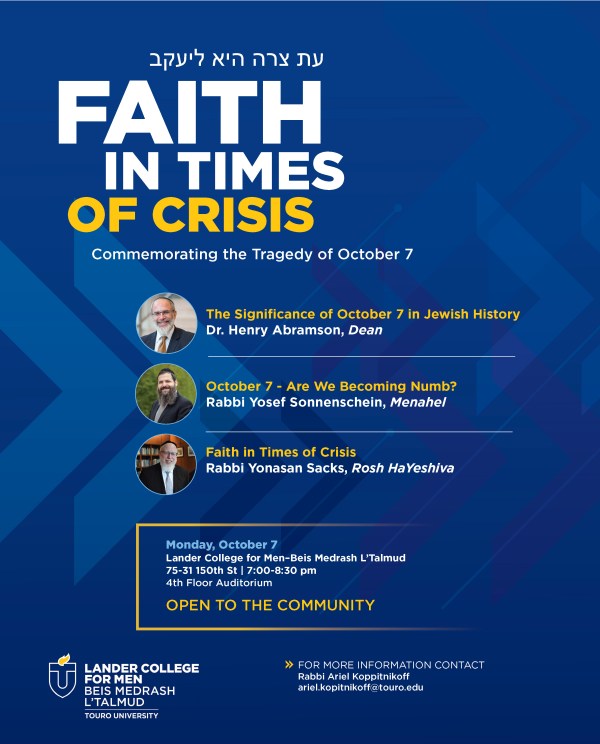
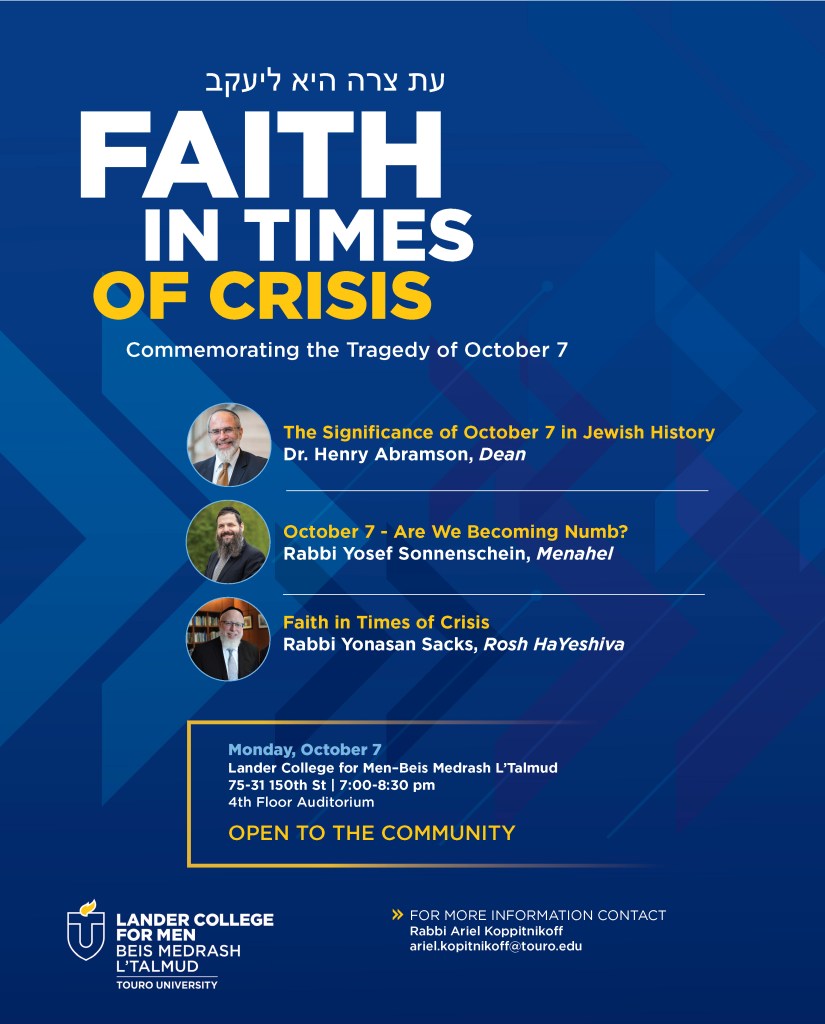
New Lecture Series: The Sweep of Sephardic History; Faith in Times of Crisis: Commemorating the Tragedy of October 7

New Lecture Series: The History of Sephardic Jewry

Public at 10 am ET. Duration: 72 minutes.
Channel Members: Duration 70 minutes.
Channel members: 44 minutes.

Shabbat in Silver Spring; The History of Sephardic Jewry; Jews, Wine, and Bordeaux; Napoleon’s 1808 Decree on Jewish Names

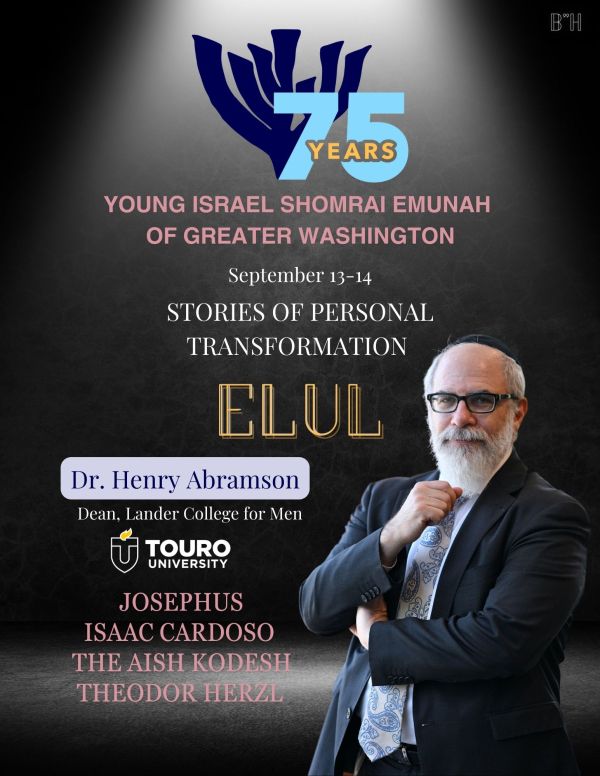
Stories of Personal Transformation for Elul


Napoleon’s 1808 Imperial Decree on Jewish Names


The History of Sephardic Jewry (Lecture, 75 minutes)

Jews, Wine, and Bordeaux (7 minutes)


A Thousand Years of Ashkenaz

Create a website or blog at WordPress.com

Up ↑