Monday March 3: Please join me for this public lecture!

Lectures in Jewish History and Thought. No hard questions, please.
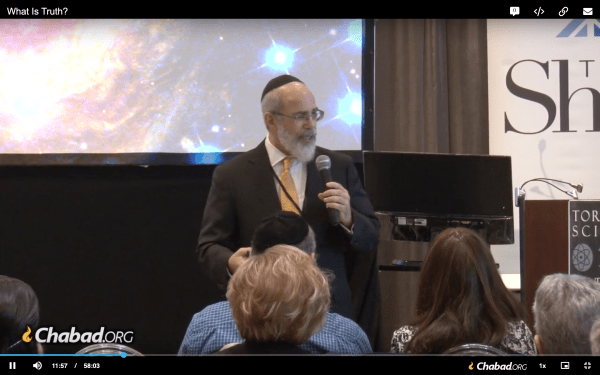

Contact their offices for details:


With Dr. Sharon Liberman Mintz, Judaica curator for Southeby’s, at a private viewing of this amazing 14th century Spanish Bible.


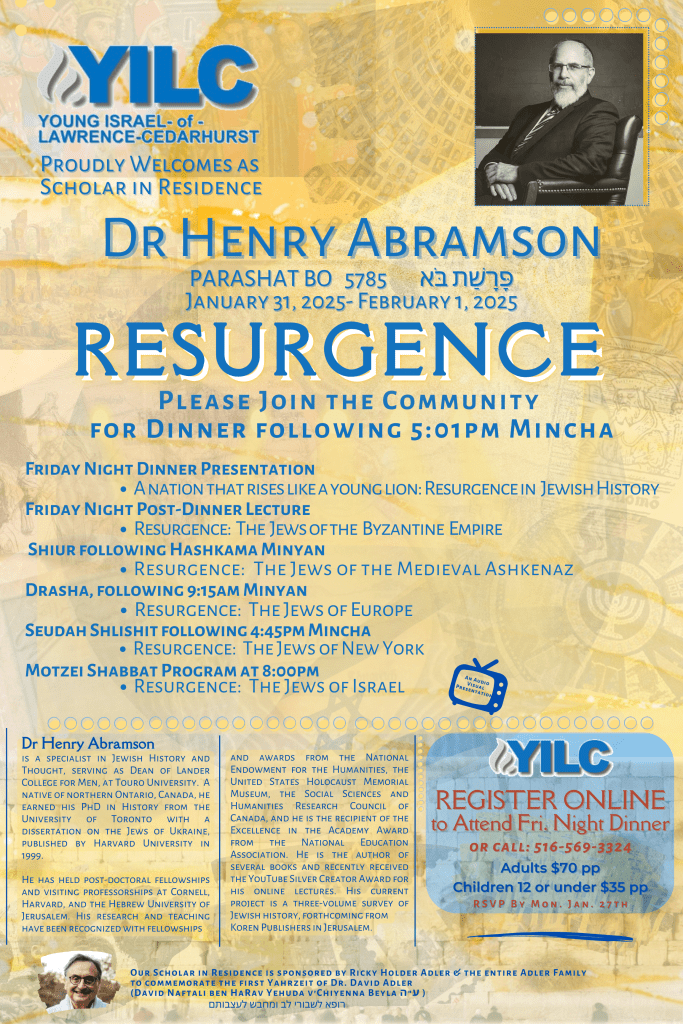




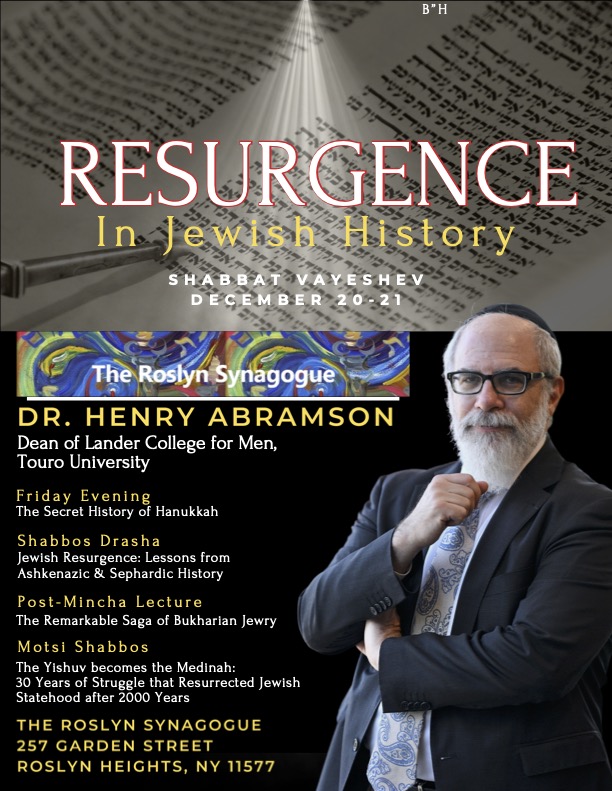


Just like that. Watch for our Shul President, Jeremy Chwat, and his wife–he apparently has an unusual motivation for coming to Shul three times a day, and she has a great, euphemistic comeback.

Someone told me that this was printed in The Vues. I’m not a Rabbi, but I’m kind of pleased that Ari Hirsch asked for my opinion anyway. Makes me feel like I actually belong in Brooklyn, somehow, if I’m included in this paper known as “the Heimishe Voice.”

The last weeks of winter 1942, ironically, represented a kind of plateau for the Jews of Warsaw. The typhus epidemic abated, and the Nazis had established some work facilities (“shops”) that led many to believe that through productive labor, the Jews would endure. The general feeling was, in the words of historians Barbara Engelking and…
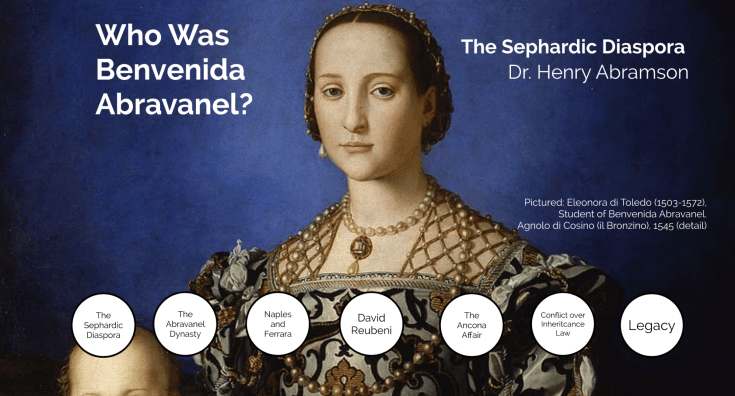
The life and times of an important woman of the early post-Expulsion generation of Sephardic Jews. Can’t see the video? Click here please.
We’re starting on Monday! Please visit http://www.jewishhistorylectures.org for details on the schedule. Free and open to the community, Monday nights at 7:00 pm at the mighty Avenue J campus of Touro College, 1602 Avenue J, Brooklyn NY 11230. Call (718) 535-9333 or write to me at henry.abramson@touro.edu. Some sponsorships are still available ($250 per lecture),…

Searching for an escapee from the notorious Pawiak Prison, the Nazis arrested 255 Jewish leaders in the Warsaw Ghetto, holding them hostage and demanding that the community turn over the 21-year old resistance fighter Andrzej Kott. The rebel was not found. The Jewish hostages were eventually killed. The Rebbe was forced to spend that Sabbath…
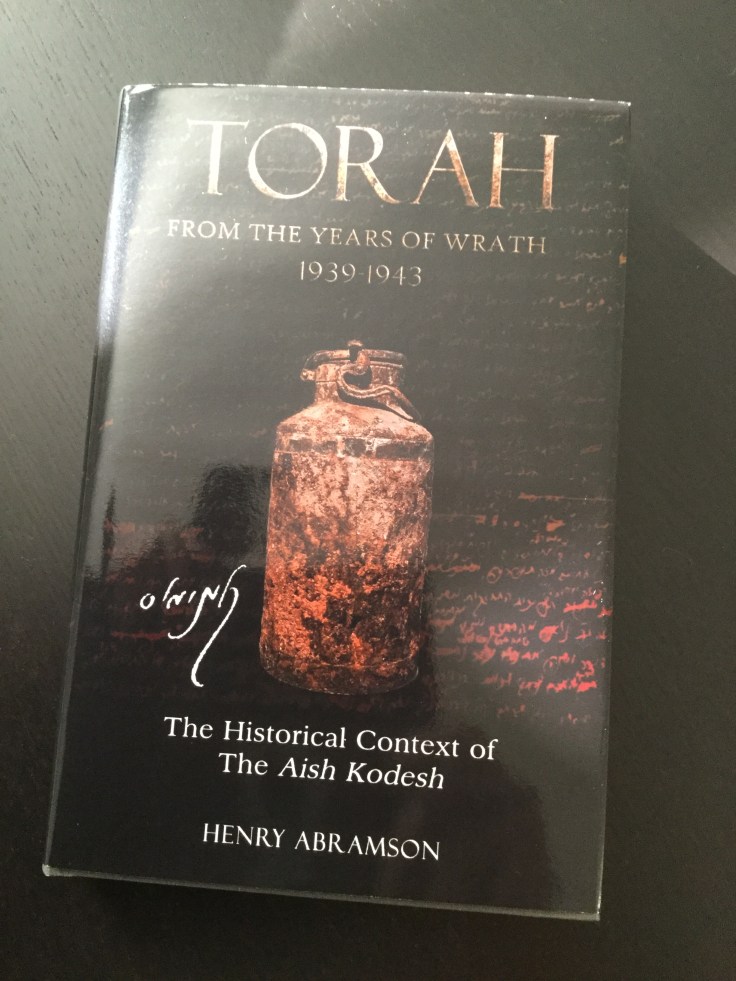
Just got my first copy of the hardcover edition of Torah from the Years of Wrath: The Historical Context of the Aish Kodesh. Special thanks to Mr. Sam Sapozhnik for making this possible! The hardcover edition hasn’t migrated yet to Amazon, but the good news is that I can offer my students, colleagues and friends 20%…

I’m really thrilled to be cruising the Douro River this summer with Kosher Riverboat Cruises, lecturing on the history of Spanish and Portuguese Jewry (my wife plans to come along, which means I really have to bring my A-game). I just learned that there’s only 18 cabins left, so if you’re interested, please click the…

Conference presentation at the “The 100th Anniversary of the Ukrainian Revolution and the Proclamation of Ukraine’s Independence,” held at the Ukrainian Institute, New York, Sunday, January 21. My talk was inspired by a thought-provoking article in the Forward by Avital Chizik-Goldschmidt. A fascinating panel, which included Anna Procyk of CUNY, Serhy Yekelchyk of University of…
On Parashat Beshalah (January 20, 1940), a young rebel escaped from the notorious Pawiak Prison, located not far from the Piaseczno Bet Midrash. Andrzej Kott, the 21-year old leader of the military wing of a resistance movement called the Polish People’s Independence Action, was a child of assimilated Jewish parents who had converted to Christianity.…

The recent translation of the work of Rabbi Shimon Gershon Rosenberg (Rav Shagar, 1949-2007) promises to elevate his distinctive thought to a broader audience of readers (Faith Shattered and Restored: Judaism in the Postmodern Age), many of whom will resonate with Dr. Yitzchak Mandelbaum’s comment on his discovery of Rav Shagar: “I knew I had…

The Rebbe’s entry for Parashat Bo (January 13, 1940) is unusual. Recorded in the scribe’s careful hand, with minimal annotation, it has two bold diagonal lines drawn through the center of the text, indicating that the Rebbe rejected it altogether. A brief and uncharacteristic first-person comment is appended: “more of what we said I do…
 Henry Abramson