Proud to work with Unpacked on this brief yet sophisticated discussion of a complex topic.
New Draft Chapter in Biblical Jewish History now Online
Very pleased to be receiving comments on the draft chapters in my forthcoming book with Koren Publishers! Students registered in the Biblical Jewish History course are welcome to read and critique. New chapter drops this morning; publication scheduled for 2024.
The Soviet Experience (The Ashkenazium Lectures Part X)
Premieres today at 12 Noon ET with Live Chat
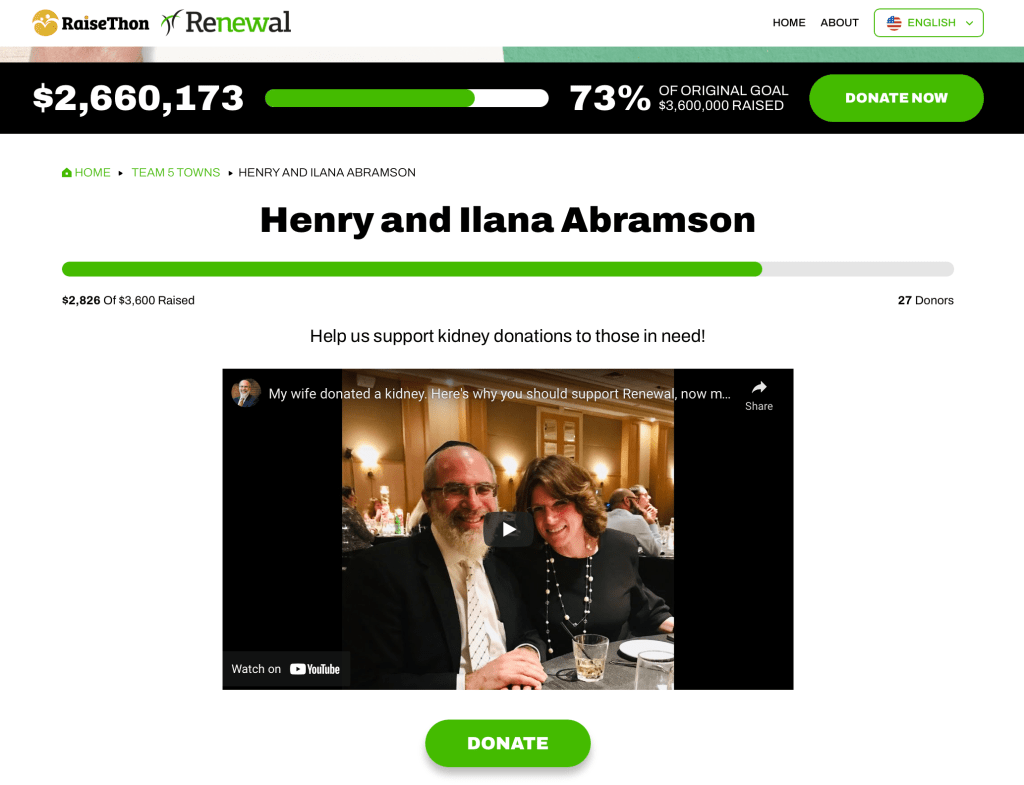
Thank You to All who Donated to Renewal!
My wife and I are hugely grateful to those of you who donated to Renewal during their annual fundraiser. We have almost met our goal of raising $3,600 to support kidney transplants; a cause that is deeply personal since my wife Ilana chose to become an altruistic donor three years ago. The need is great, but the fundraiser is ongoing for a little while longer–won’t you please join us in this very worthy cause? Please click on the image for more information.
My friends, it’s almost Shabbos. Will you participate? Inscribe your name in the Book of Life by joining the list of donors to Renewal. Your contribution, large or small, will help them find a kidney for someone in desperate need.
We can’t all be heroic altruistic kidney donors. But we can certainly be altruistic dollar donors, at whatever level of commitment we can manage. Please participate, and count yourself among those who provide life.
By helping others enjoy the blessing of life, may you and your loved ones also be blessed with life.
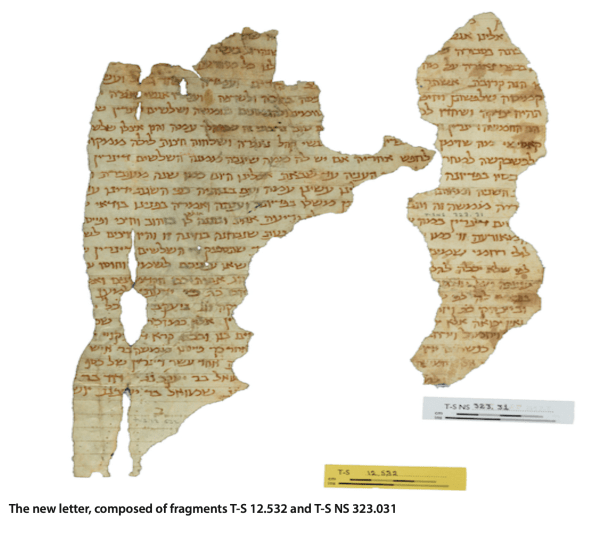
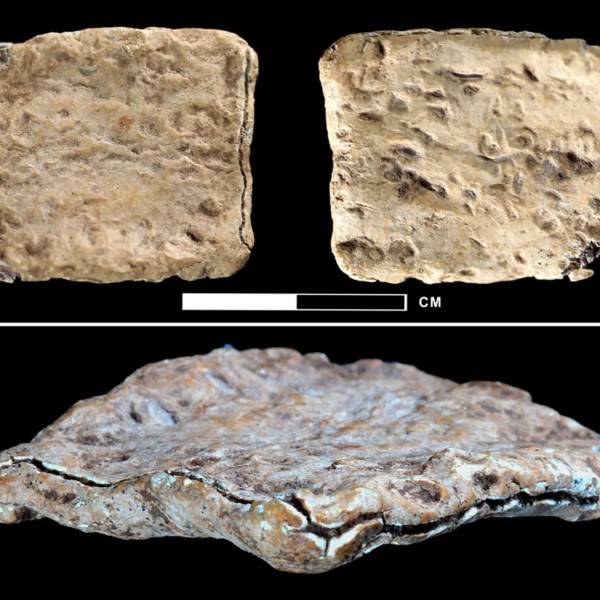
900 years later, a document from the Cairo Geniza describes the tragic story of a French convert to Judaism during the Crusades
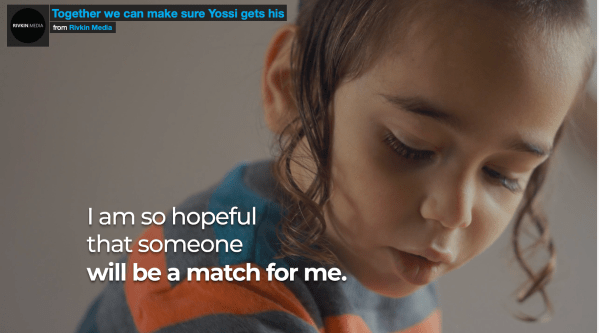
Three years ago, my wife donated a kidney. Here’s why.
Three years ago, on erev Yom Kippur, my wife Ilana donated a kidney to a total stranger. Although she literally gave someone the precious gift of life, it is clear to her (and the entire family) that we have been blessed far more in return.
My wife’s heroic efforts contributed directly to saving one person’s life. She would really love to do it again, but this is an act of altruismthat can only be performed once in a lifetime. Yet by helping Renewal match recipients with donors, provide support to donors and their families through the entire process, you can also take a share in this mitzvah.
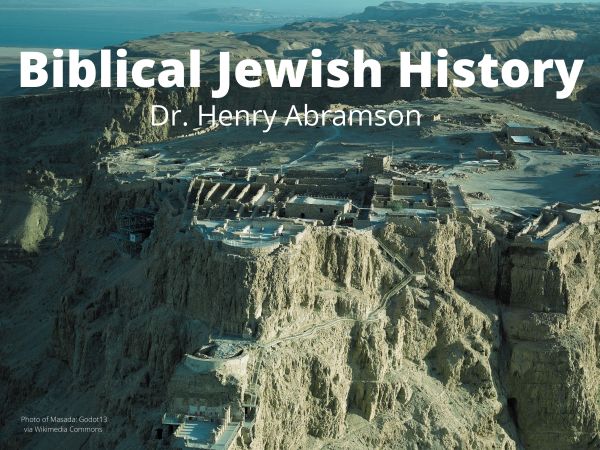
I am in the last few months of producing the manuscript of volume one of my forthcoming book, The Jewish People: A History. I’ve been trying an experiment in crowdsourcing the text by allowing access to the draft text to my students, chapter by chapter, in this new online course, Biblical Jewish History. It’s free for teachers and has an almost-free price for students (basically pay what you like: even a low paywall keeps out intellectual vandals). Please consider joining the class! Click on the image above for more information, and if you’re a teacher, please click here.
The Great Conflict: Hasidim, Mitnagdim, Maskilim (The Ashkenazium Lectures Part VIII), premieres today at 12 noon with Live Chat
Official languages of the seminar are Ukrainian and English, with simultaneous translation. The conference is open to the public. Here is a brief translation of the program with the full details in Ukrainian below.
Petliura and “The Petliura Affair:” De(constructing) an Imperial Myth
Dr. Bohdan Klid, Holodomor Research and Education Consortium of the Canadian Institute of Ukrainian Studies, University of Alberta
Dr. Liudmyla Hrynevich, Institute of Ukrainian History, Ukrainian National Academy of Sciences, Holodomor Research Education Center in Ukraine.
10:10-11:25 First Panel
Moderator: Dr. Bohdan Klid
Dr. Stanislav Kul’chyts’kyi (Institute of Ukrainian History, Ukrainian National Academy of Sciences), “The European Choice of Symon Petliura”
Dr. Henry Abramson (Touro University, New York), “Symon Petliura in Jewish History and Jewish Memory”
Dr. Hennadii Efimenko (Institute of Ukrainian history, Ukrainian National Academy of Sciences), “‘Petliurists’: Genesis of a Concept, 1918-1924”
Dr. Oksana Kuz’menko (Institute of Ethnology, Ukrainian National Academy of Sciences, Folklore Section of the Shevchenko Scientific Society, Ukrainian Association of Oral Historians), “The Image of Simon Petliura in Ukrainian folklore”
11:25-11:35 Free Discussion
11:35-12:50 Second Panel
Dr. Serhiy Yekelchyk (University of Victoria, Canada), “‘Petliurivtsi:’ Creating the image of the Ukrainian enemy under Stalinism”
Lyudmyla Hrynevych (Institute of Ukrainian History, National Academy of Sciences of Ukraine, Holodomor Research Education Center in Ukraine), “‘Where is your Lenin to our Petliura!’: Anti-imperial, anti-colonial motives in the mood of Ukrainian society during the Holodomor”
Anastasia Kanivets (Museum of Theater, Music and Cinematography of Ukraine, Kino-Theater Magazine, Ukraine), “‘Agent of the West’ and ‘Ukrainian Napoleon:’ the image of Simon Petliura in Soviet cinema”
Vitaliy Skalsky (Institute of Ukrainian History, Ukrainian National Academy of Sciences), “Simon Petliura behind the fence of national consciousness of Ukrainians Ideologues of imperial propaganda “Mazepa”, “Petliurism”, “Bandera”, “Ukrainian Nazism”: understanding in the context of modern Russian-Ukrainian war”
Free Discussion
12:50-1:00 pm Concluding Remarks
ПЕТЛЮРА І «ПЕТЛЮРІВЩИНА»:ДЕ(КОНСТРУКЦІЯ) ІМПЕРСЬКОГО МІФУ
Англійською, українською мовами (з синхронним перекладом)
17:00–17:10 Відкриття семінару. Вступні зауваження.
Богдан Клід (Науково-освітній консорціум вивчення Голодомору при Канадському інституті українських студій (HREC) Альбертського університету, Канада)
Людмила Гриневич (Інститут історії України НАНУ, HREC in Ukraine, Україна)
17:10–18:25 Перша сесія:
Модерує:
Богдан Клід (Науково-освітній консорціум вивчення Голодомору при Канадському інституті українських студій (HREC) Альбертського університету, Канада)
Своїми думками діляться:
Станіслав Кульчицький (Інститут історії України НАНУ, Україна), Генрі Абрамсон (Туро Університет, Нью-Йорк, США), Геннадій Єфіменко (Інститут історії України НАНУ, Україна), Оксана Кузьменко (Інститут народознавства НАНУ, Україна, фольклористична секція Наукового товариства Шевченка, Українська асоціація усних істориків)
У фокусі обговорення:
Європейський вибір Симона Петлюри
Симон Петлюра в єврейській історії та єврейській пам’яті
«Петлюрівці»: генеза поняття, 1918–1924
«І шумить, і гуде, Сам Петлюра іде»: образ Симона Петлюри в українському фольклорі
Вільна дискусія
18:25–18:35 Перерва.
18:35–19:50 Друга сесія:
Модерує:
Станіслав Кульчицький (Інститут історії України НАНУ, Україна)
Своїми думками діляться:
Сергій Єкельчик (Університет Вікторії, Канада), Людмила Гриневич (Інститут історії України НАНУ, HRECin Ukraine, Україна), Анастасія Канівець (Музей театрального, музичного та кіномистецтва України, часопис «Кіно-Театр», Україна), Віталій Скальський (Інститут історії України НАГК, Україна)
У фокусі обговорення:
«Петлюрівці»: Створення образу ворога-українця за сталінщини
«Куди вашому Лєніну до нашого Петлюри!»: антиімперські, антиколоніальні мотиви у настроях українського суспільства епохи Голодомору
«Агент Заходу» й «Український Наполеон»: образ Симона Петлюри в совєтському кіно
Симон Петлюра за парканом національної свідомості українців
Ідеологеми імперської пропаганди «мазепинщина», «петлюрівщина», «бандерівщина», «укронацизм»: осмислення в контексті сучасної російсько-української війни






 Henry Abramson