Really looking forward to meeting this community!

Lectures in Jewish History and Thought. No hard questions, please.


Part I: Part II: Part III: Solomon Mikhoels (1890-1948) was one of the most prominent actors and directors in early Soviet Russia. His career coincides with the brief flourishing of Yiddish culture under the policy of korenizatsiia, or “indiginization,” when the Communist authorities sought to develop folk culture as a means of developing loyalty to the……

Shimon Dubnow (1860-1941), a noted historian and activist whose theories of Jewish survival in the diaspora were extremely influential in the shaping Jewish identity in the modern world, from the future of Russian Jewry to the establishment of the modern Federation movement in the United States. Dubnow’s scholarship was inextricably intertwined with the effort to……
Moses Mendelssohn was a hugely influential thinker in 18th-century Germany. An unusually gifted intellect, he became the primary spokesperson for the emancipation of Jews in the 18th century, and his cause was championed by many non-Jewish liberals of the era. Heralded as the founder of the Reform movement even though Mendelssohn himself maintained an observant……

Nathan of Hanover is best known for his moving chronicle of the Khmel’nyts’kyi (Chmielnicki) Rebellion. Entitled Yeven Metsulah (“The Abyss of Despair”), it records with remarkable fairness the social, political, economic and religious background of the mid-17th century Ukrainian movement against the Poles, along with the horrible pogroms perpetrated in the context of that violent……

Here’s the Torahcafe.com edited version, in one piece, with the PPTs integrated. A little easier to watch.

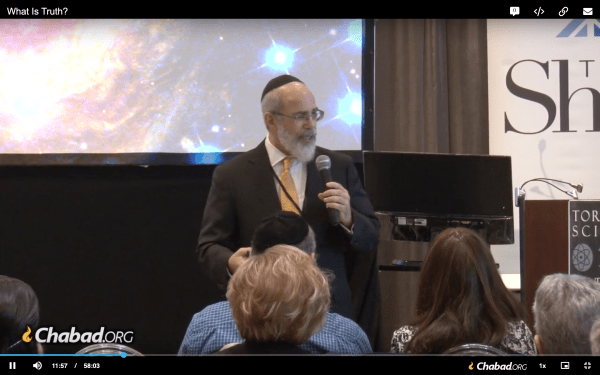
Here’s a lecture I delivered at the Shul of Bal Harbour, not part of the regular HIS 155/156 Series, but kind of nice. Edited by the great people at TorahCafe.com. Please click on the icon above to see the video. I hope you find it interesting!

The nice folks over at TorahCafe took my lecture on Rabbi Yosef Karo and worked their magic on it, integrating the PowerPoint well with the lecture, and edited it down to a tighter presentation. Please click on the TorahCafe icon below to view the improved version.


Really pleased to receive author copies of the new Ukrainian translation of my first book! Thanks to translators Anton Kotenko and Oleksandra Nadtoky and all the great people at Dukh i Litera.

Brief video describing the life and work of Don Yitshak Abravanel (Abarbanel), a great Portuguese-Spanish Jewish thinker and leader. Part of The Jews of Sepharad series. Click here to view books by Dr. Abramson (remarkably amazing Chanukah reading)

Brief video on the life and times of Abraham Senior, important 15th-century Spanish Jewish financier. Suggestions for Chanukah Reading! Click here to order.

Kindling the candles for the Festival of Lights, we bless G-d for performing miracles of freedom “in those days, in this time.” The commentators have long resolved the jarring use of apparently non-parallel prepositions: in those days, meaning long ago, but in this time, meaning at the present point in the calendar year. For survivors……

This lecture turned out nicely, I think. If you haven’t heard Rabbi Ya’akov Trump, you’re in for a treat–skip past my part to about 26:00 for the good stuff. A century from now, people will say, “Trump, Trump…wasn’t there also a President by that name?”

YouTube sent me this gif for earning 10,000 subscribers. Really grateful that so many people enjoy Jewish history!

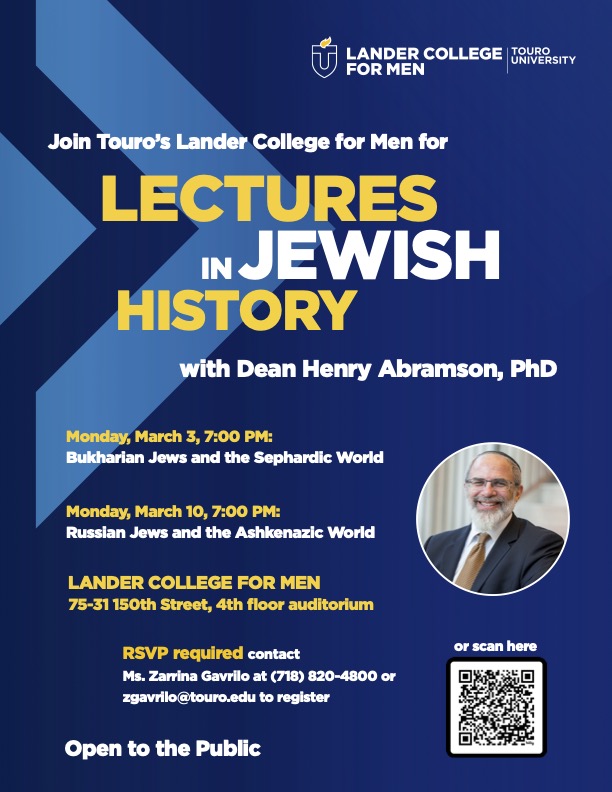
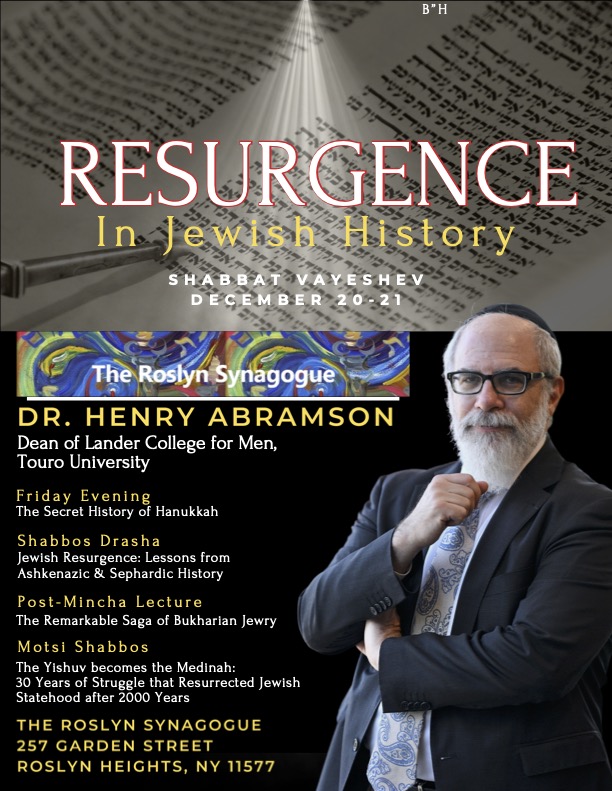
Really looking forward to this class. Thanks to Rabbi Ya’akov Trump for designing the flyer!

Brief overview of the life and work of Abraham Zacuto, important Jewish Iberian astronomer and historian. Now available: revised edition of The Kabbalah of Forgiveness. Click here for more information.

Aish Kodesh scholar Daniel Reiser holding a copy of my new book. Like Shakespeare holding a copy of one’s sonnets. Thank you!

The Piaseczno Rebbe, Rabbi Kalonymus Kalmish Shapira, refused to dignify the Nazis by naming them in his wartime sermons in the Warsaw Ghetto. In a rare moment of transparency, perhaps motivated by anguish over the suffering of his Hasidim, the Rebbe briefly suspended his euphemistic terminology with a curt third-person reference in his drashah on Parashat……