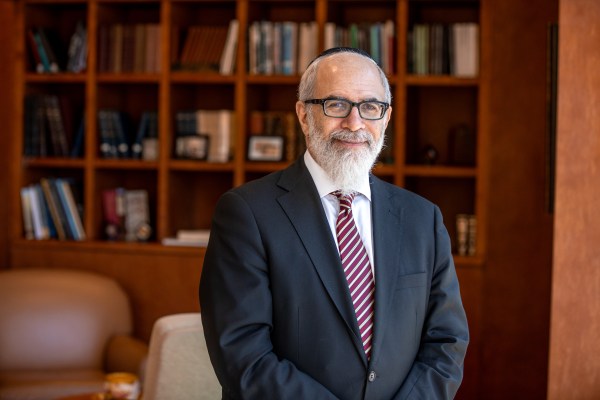
Really looking forward to meeting this community!
Lectures in Jewish History and Thought. No hard questions, please.


Jacob Rodrigues Periera (1715-1780) was the inventor of dactylology, a method for teaching deaf-mutes to communicate. A crypto-Jew from Portugal, his first student was his sister. His methodology received phenomenal acclaim, he received honors from the King of France and was named to both the Royal Society of London. This video is part of This…

This is a brief academic presentation of the history of the Nazi attempt to destroy the Jews of Europe during World War II. Part of the Essential Lectures in Jewish History series by Dr. Henry Abramson. To view the Prezi used in this lecture, please click here.
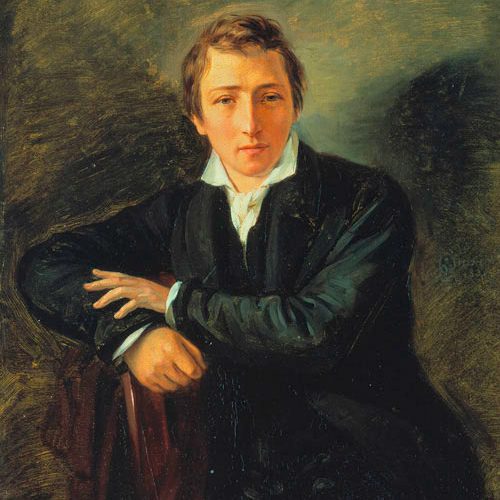
Revered by many as Germany’s greatest poet, Heine struggled mightily with his Jewish identity in the culturally inimical milieu of the 19th century. This phenomenon, known as Judenschmerz, was widespread among 19th century western European Jews. Despite his 1825 conversion to Christianity, Heine maintained a long, albeit conflicted, relationship to his Jewish background. Part of…
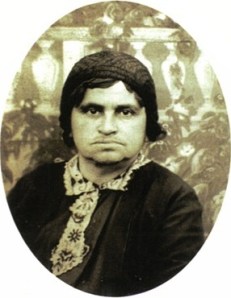
Sarah Schenirer (1883-1935) founded the Bais Yaakov (Bet Ya’akov) school system for women. One of the most visionary educators of the twentieth century, her movement had global impact. To view the Prezi associated with this lecture, please click here.

Baptized at age 12 as the result of his father’s dispute with a synagogue, Benjamin Disraeli (1804-1881) rose to prominence as a novelist and politician, serving several times as England’s Prime Minister. Colorful and flamboyant, Disraeli dismissed his antisemitic critics by emphasizing, rather than downplaying, his Jewish origins.

The discovery of the mutilated body of a young boy in Kiev led to the false arrest of a Jewish laborer named Mendel Beilis. Ignoring the argument of investigating officers, the Russian government under Tsar Nicholas II pressed ahead with the prosecution of Beilis, arguing that the boy was murdered as part of a Passover-related…
A thematic introduction to the topic of women in Jewish history, part of the Essential Lectures in Jewish History series by Dr. Henry Abramson. To view the Prezi associated with this lecture please click here.
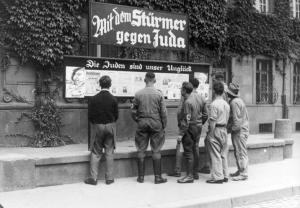
In October of 1946, ten Nazi defendants were hung on gallows erected by the International Military Tribunal. One of the most notorious, the propagandist Julius Streicher, uttered the phrase “Purimfest 1946” moments before his death, unconsciously echoing a mysterious passage in the Biblical book of Esther itself. Fascinating footnote in Jewish History!
Rabbi Yisrael Lipkin of Salant (Israel Salanter, 1810-1883) was the founder of the modern Mussar movement that revolutionized traditional Jewish education. Controversial during his lifetime, his ideas ultimately permeated the Yeshiva system as a whole. Part of the Jewish Biography as History series in Jewish History.
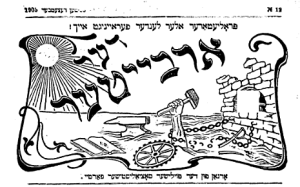
This lecture briefly covers the rise of mass Jewish politics at the turn of the 20th century, looking at the rise of Jewish Socialism, Zionism, and other movements. Part of the Essential Lectures in Jewish History series available at http://www.jewishhistorylectures.org. To view the Prezi associated with this lecture, please click here.

Blessed with a fine mind but an obstreperous personality, Salomon Maimon was one of the most erudite rebels against Judaism in the 18th century, leaving a powerful memoir that betrayed some of the stress points in traditional society.

Murder on Purim? That’s the charge of Socrates Scholasticus, whose lone account of an alleged Purim celebration that got out of hand in the year 415 has become part of the historical record, for good or ill. Although the validity of the accusation is highly questionable, the incident at Inmestar had a larger impact centuries…
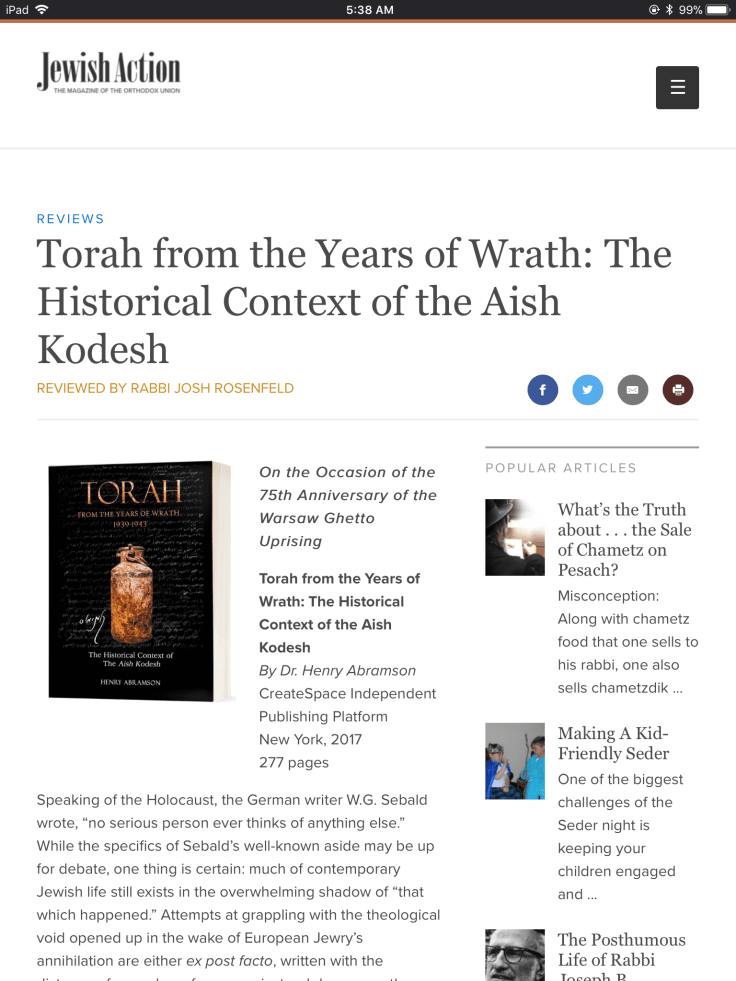
I’m grateful to Rabbi Josh Rosenfeld for his kind and thoughtful review of Torah from the Years of Wrath, which appeared in this month’s Jewish Action. Please click here to read his thoughts on the work of the Piaseczno Rebbe.
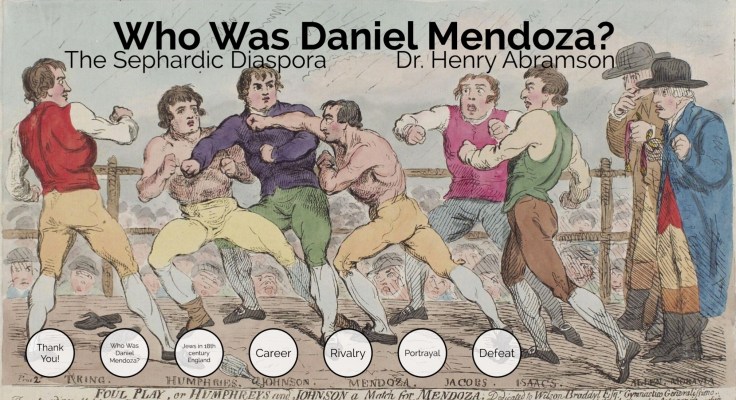
Brief lecture on the life and times of Daniel Mendoza, a Sephardic Jewish champion boxer of the 18th and early 19th century.

In early February 1940 the Nazis promulgated decrees that prohibited Jews from benefitting from general community charity services. Ration cards were distributed with racial distinctions: Jews received cards with a Star of David marked on them, while Poles and Germans received colored, otherwise unmarked cards. At this early date in the war, hunger did not…
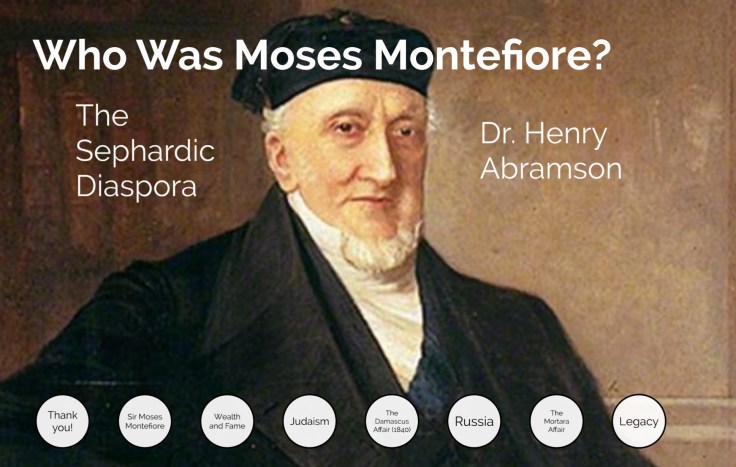
Brief presentation on the life and works of Sir Moses Montefiore, an important 19th century Sephardic English philanthropist. Part of the Sephardic Diaspora series.
“Faith is not an argument. It is a conversation, in which we listen, accept the premises of the interaction, make active choices and contributions, shift our direction as necessary based on the cues we hear, and most importantly, keep the conversation alive and active…Abramson’s work allows us to eavesdrop on one of the most powerful…
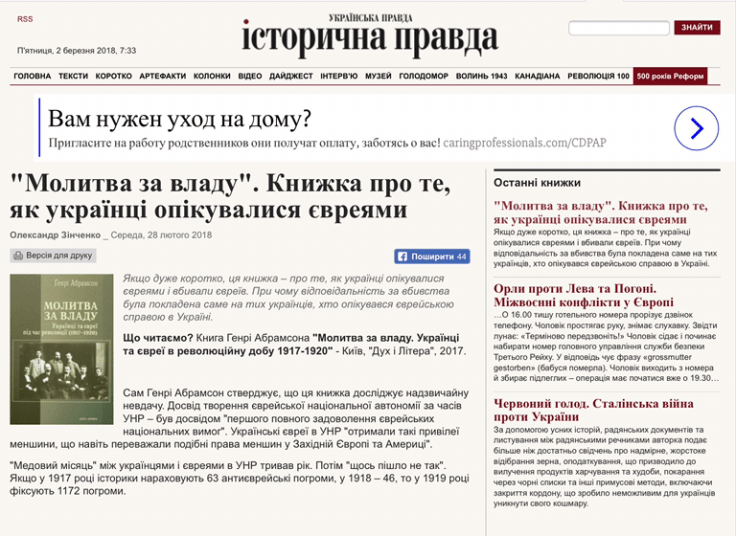
I am grateful for this thorough and kind review of the recent Ukrainian translation of “Ukrainians and Jews in Revolutionary Times” by Oleksandr Zinchenko, published in today’s Istorichna Pravda. If you don’t read Ukrainian (and refuse to read Google translate, which is close enough to the original to be seriously misleading), the revised English edition…

Brief presentation of the life and work of Rabbi Chaim Yosef David Azoulay, a fascinating Sephardic Rabbi of the 18th century. Part Three of The Sephardic Diaspora series.

Tonight at Machon Chana: part two of The History of Sephardic Jewry series. Last week we looked at the origins of Spanish Jewry and the Muslim period; tonight we will focus on the Reconquista up to the Expulsion of 1492.
Main Auditorium of the Mighty Avenue J campus of Touro College 1602 Avenue J, Brooklyn NY 11230 7pm Free and open to the community. No hard questions, please. For more information please click here.

My old friend Dr. Michael Chigel tagged me on Facebook this morning with his remarkably kind and generous unsolicited review of Torah from the Years of Wrath. I’m deeply moved and grateful to Mike for promoting the Torah of the Aish Kodesh, as well as for the undeserved praise he lavished on my small contribution, but also…

Very pleased to see this revised edition of my first book available. Includes a new foreword and afterword.
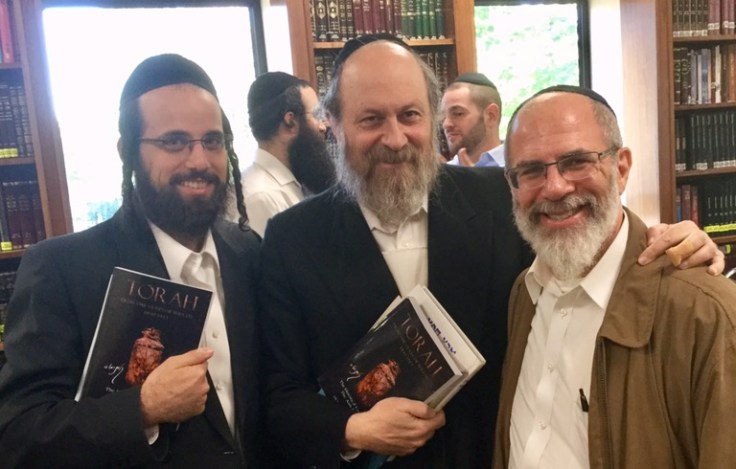
To the Hasidim steeped in the religious significance of the ritual calendar, the Sabbath known as Zakhor (March 23, 1940) must have seemed a cruel redundancy. Literally called “remember,” the Sabbath preceding the holiday of Purim is named for a few publicly read Torah verses (Deuteronomy 25:17-19) that memorialize the attack of Israel’s primordial enemy,…