Monday March 3: Please join me for this public lecture!
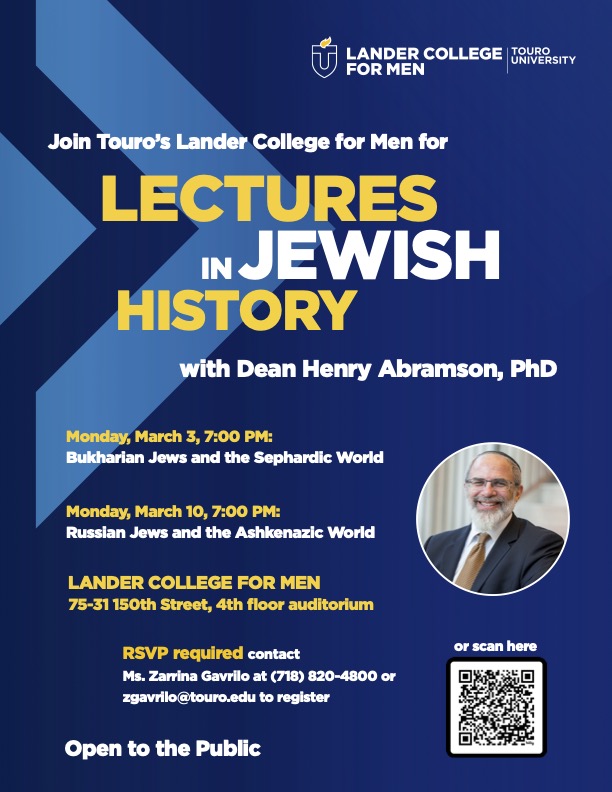
Lectures in Jewish History and Thought. No hard questions, please.

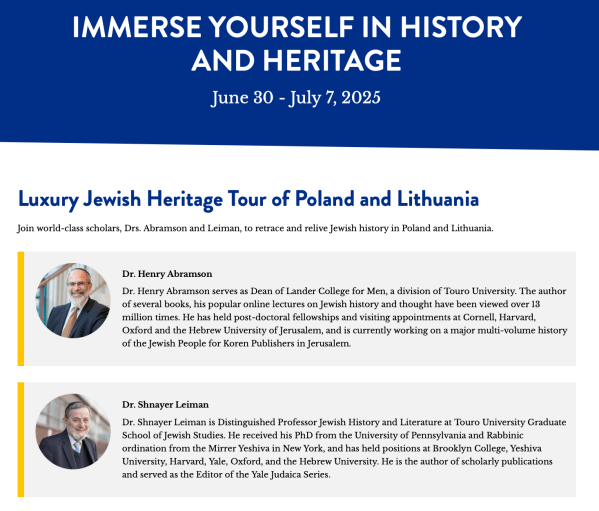
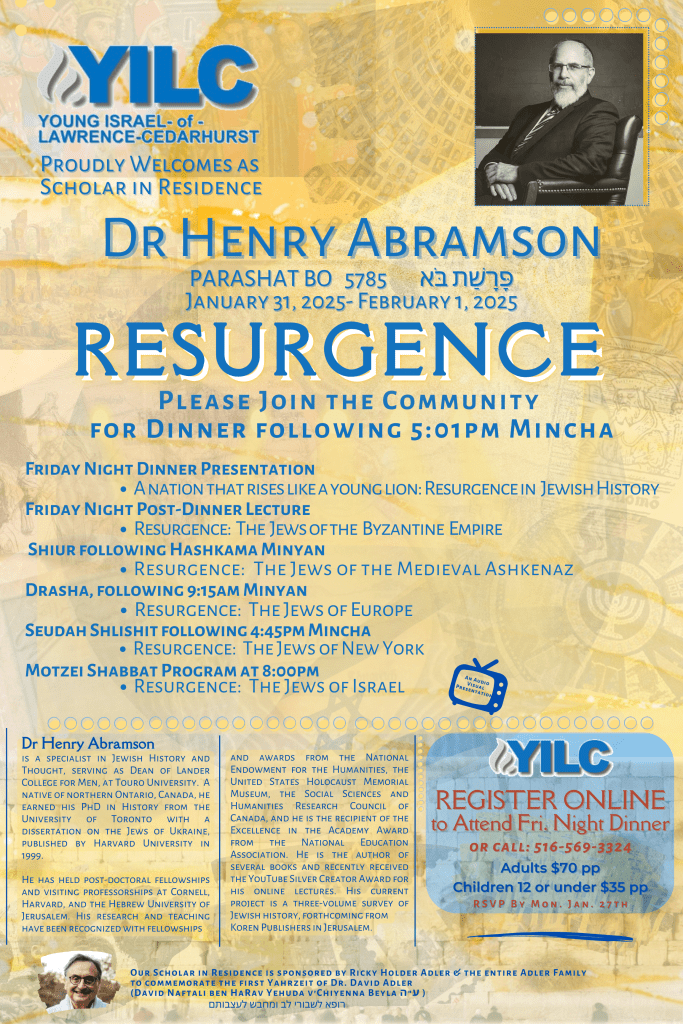
Contact their offices for details:


With Dr. Sharon Liberman Mintz, Judaica curator for Southeby’s, at a private viewing of this amazing 14th century Spanish Bible.


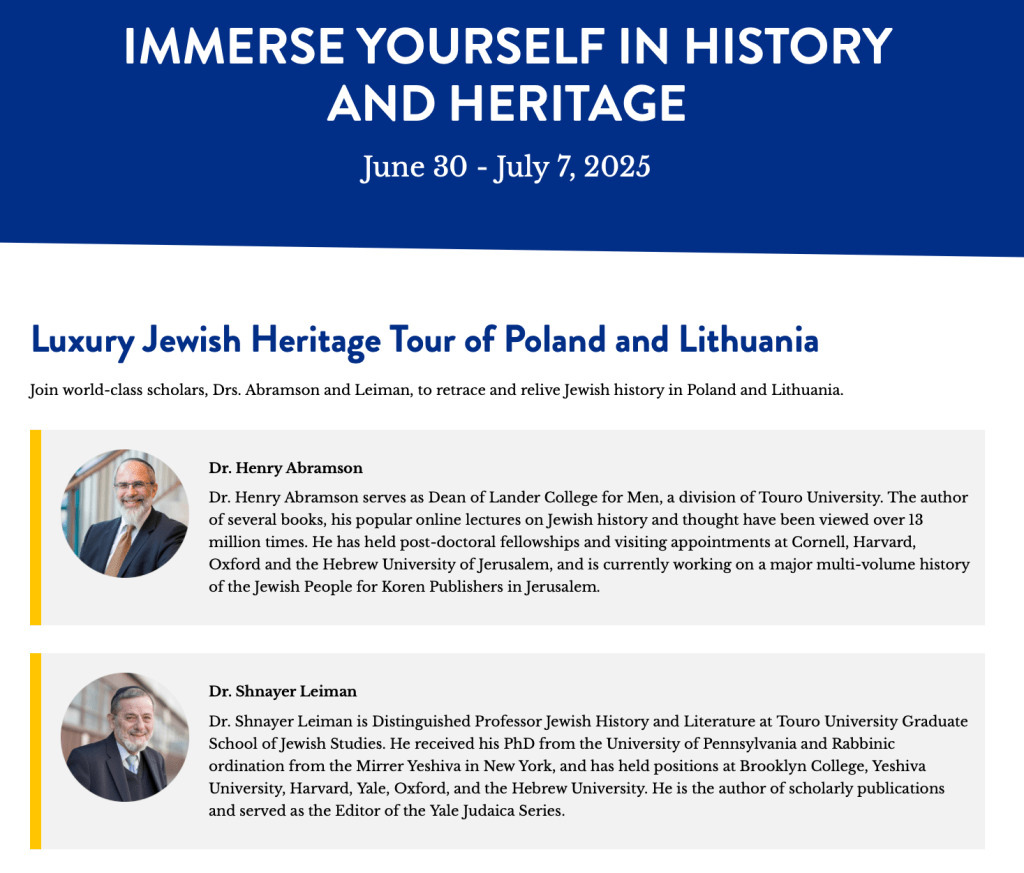


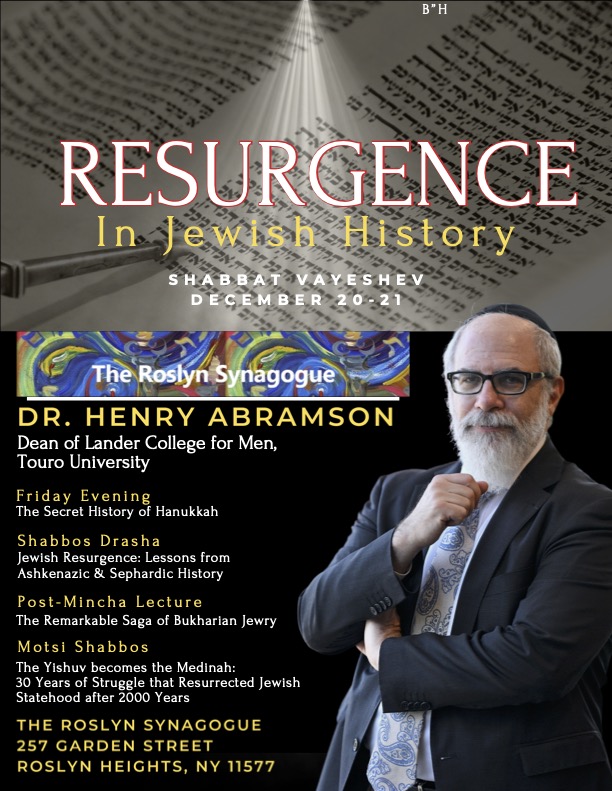


Wow–just heard that Torah from the Years of Wrath got promoted to the window display at M. Pomeranz Books in Jerusalem! Thanks to my friend Dr. Mike Chigel for plugging the book to MR. POMERANZ HIMSELF, shown here just outside the display!
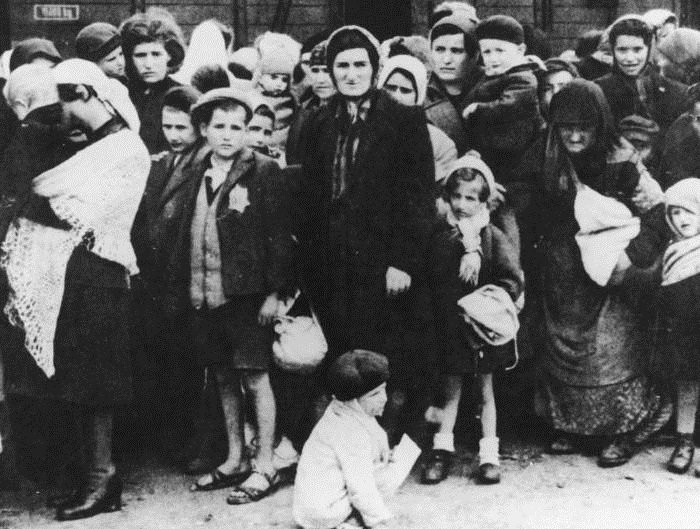
In commemoration of Yom Ha-Shoah, our Jewish History lecture on Monday night will be dedicated to a topic frequently overlooked in discussions of the Holocaust: the experience of Sephardim. Please click here for details. Most of my own published work on the Holocaust has been in the Askhenazic world, notably my recent study of the…

Very honored to be speaking with Rabbi Eli Mansour for The WELL, a wonderful new institution dedicated to women’s education in the Sephardic community. Please spread the word! This lecture is open to men and women.

Available from Amazon Hardcover 15% off at Lulu After the fall of the Russian Empire, Jewish and Ukrainian activists worked to overcome previous mutual antagonism by creating a Ministry of Jewish Affairs within the new Ukrainian state and taking other measures to satisfy the national aspirations of Jews and other non-Ukrainians. This bold experiment ended…
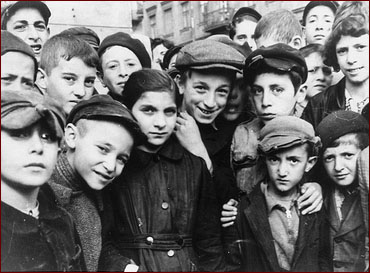
After several weeks without recording a drashah, perhaps related to the horrendous typhus outbreak of the late winter of 1941, the Rebbe delivered a series of powerful derashot for the Passover holiday. On the Seventh Day of Pesach he turned his attention to the subject of Torah learning. The memoirs of Chaim Kaplan, a former principal, describe…

Passover in the Warsaw Ghetto: Inspiration for the Second Seder Taken from Torah from the Years of Wrath (Aish Kodesh) אני מבקש ומתחנן לפני כל אחד מישראל שילמוד בספרי, ובטח זכות אבותי הקדושים זצוקלל״ה יעמוד לו ולכל ביתו בזה ובבא “I request and plead every person of Israel to study my works—surely the merit of…

Brief lecture on the life and work of Judah Touro, an important 19th-century American philanthropist for whom, together with his father Isaac, Touro College was named.

School principal Chaim Kaplan recorded the bleak mood in the Warsaw Ghetto on the eve of Passover of the Hebrew year 5701 (1941): Like the Egyptian Passover, the Passover of Germany will be celebrated for generations. The chaotic oppression of every day throughout this year of suffering will be reflected in the days of the…
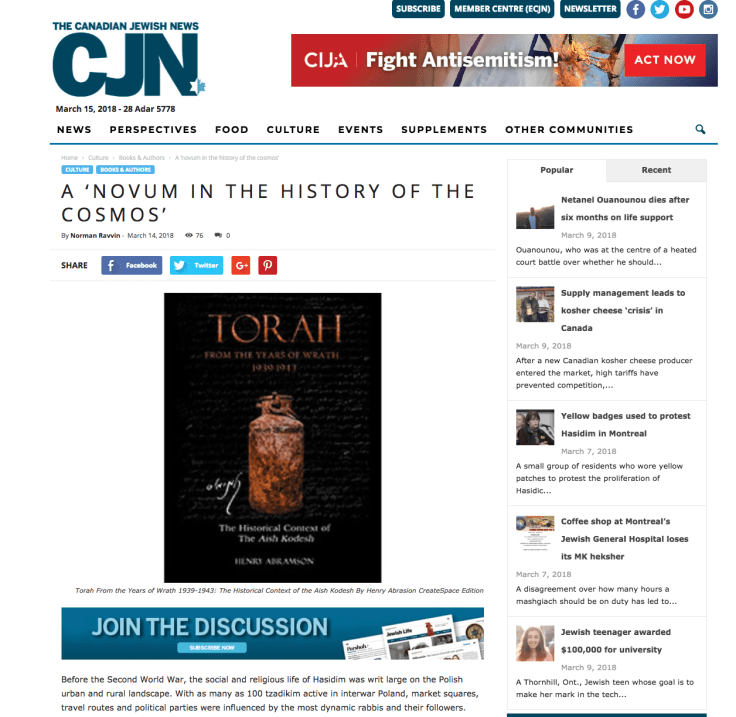
Really nice to see that readers in my native Canada are encountering the Piaseczno Rebbe: Here’s a new review by Dr. Norman Ravvin, appearing in the current Canadian Jewish News. Note to my dear readers: the book is in Judaica stores, on Amazon and Kindle, but my favorite (and the best value) is the beautiful…
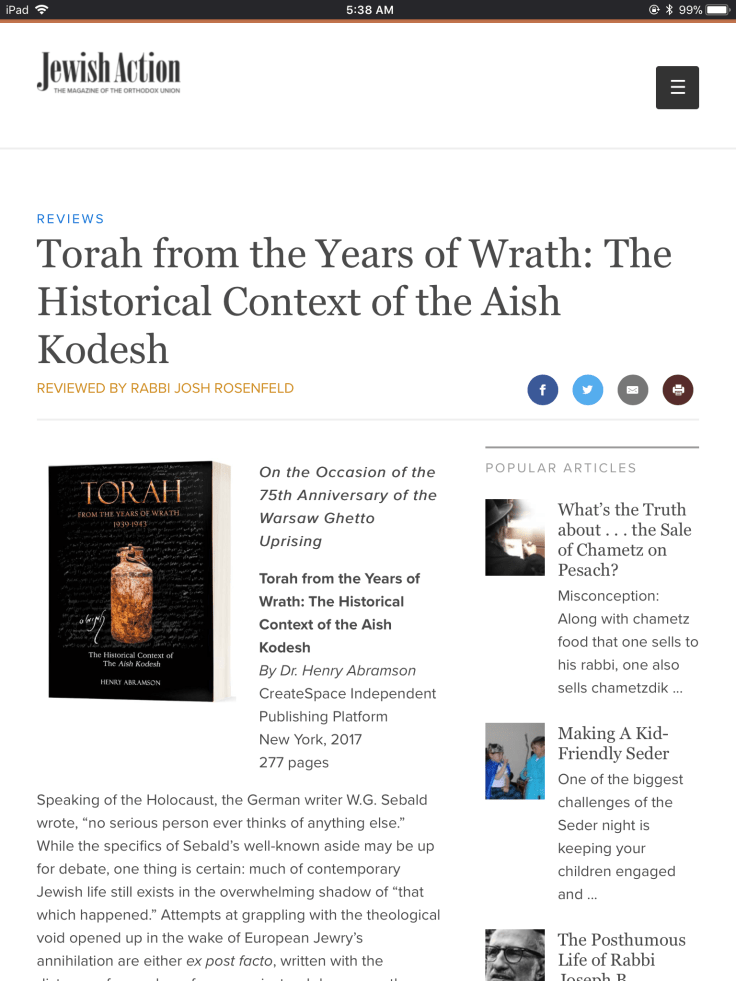
I’m grateful to Rabbi Josh Rosenfeld for his kind and thoughtful review of Torah from the Years of Wrath, which appeared in this month’s Jewish Action. Please click here to read his thoughts on the work of the Piaseczno Rebbe.
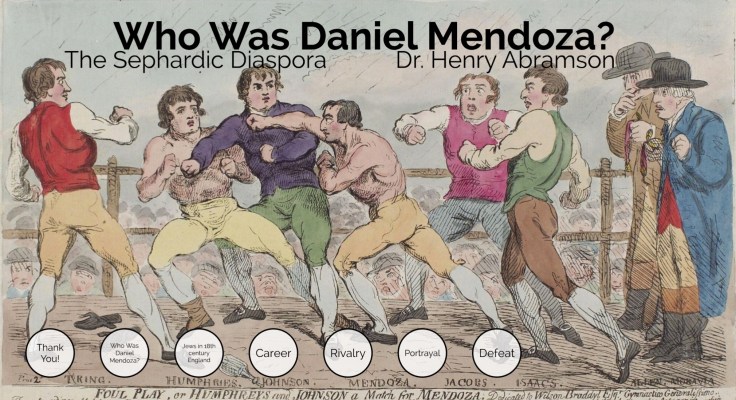
Brief lecture on the life and times of Daniel Mendoza, a Sephardic Jewish champion boxer of the 18th and early 19th century.

In early February 1940 the Nazis promulgated decrees that prohibited Jews from benefitting from general community charity services. Ration cards were distributed with racial distinctions: Jews received cards with a Star of David marked on them, while Poles and Germans received colored, otherwise unmarked cards. At this early date in the war, hunger did not…
 Henry Abramson